


A watched pot never boils. But does it simmer? Learn how to tell the difference with our guide.
In baking and cooking, the devil is in the details. A few extra seconds and whipped cream can turn to butter, a little too much heat can cause chocolate to seize up and a single degree can ratchet your simmering water up to a boil.
To help separate boil vs simmer, our Test Kitchen experts outline the differences, and teach you how to get that perfect simmer for a hearty stew or rolling boil for your next pasta dish. Let’s get started!
Knowing the difference
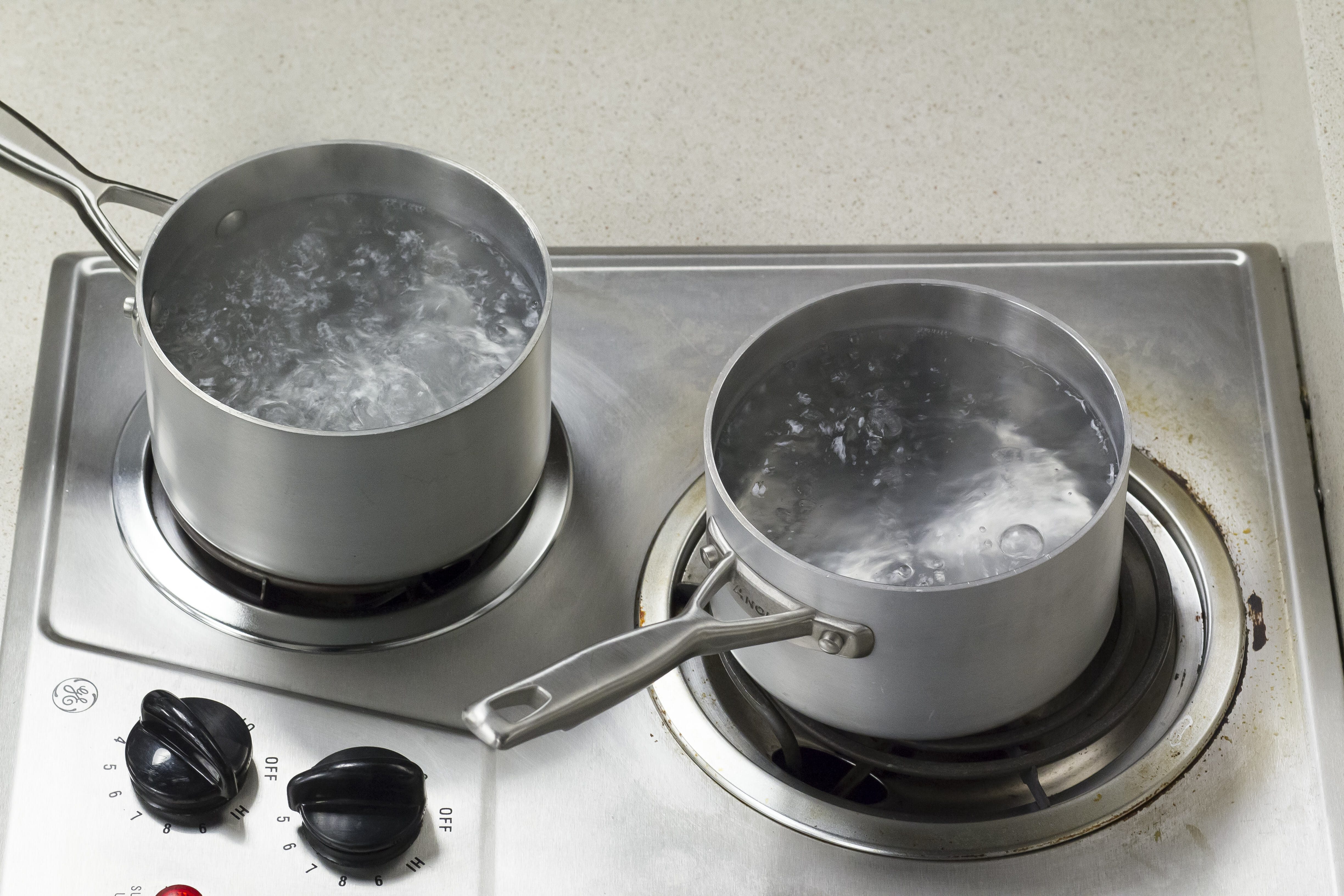
Let’s start with the basics. Boiling water is water that’s bubbling at 212ºF. A good, fast boil is great for making pastas and blanching vegetables.
Simmering, on the other hand, is slower than that nice bubbling boil. It’s still very hot—195 to 211ºF—but the water in this state isn’t moving as quickly and isn’t producing as much steam from evaporation. Simmering water is great for soups, broths and stews. It helps cook the ingredients slower, helping them develop a great flavor, like in this hearty bone broth.
Now you can start to heat things up!
Step 1: Fill ‘er up
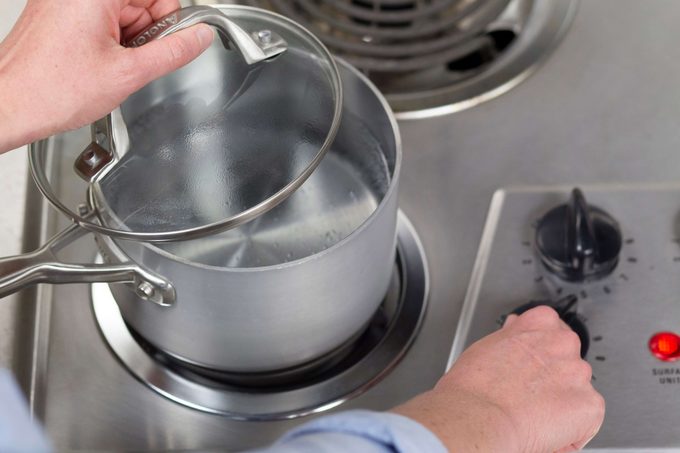
Test Kitchen tip: Salt does not help your water boil faster. We’d call that one an old wives’ tale. However, if you’re boiling pasta, you should add salt.
Step 2: Bring it to a boil—even if you want a simmer

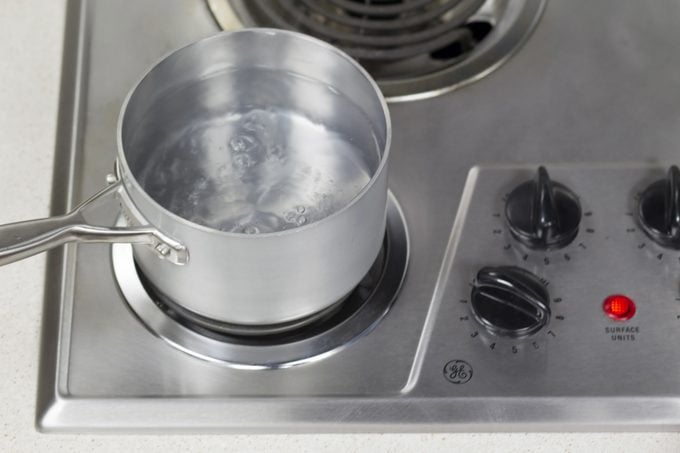
If you’re looking for a simmer for your chicken soup, you should still bring the water up to boiling temperature on high heat—this will speed up the process. To get to a simmer, wait until your water boils and then reduce the heat to medium or low. You should still see a few tiny bubbles making their way to the surface, but it shouldn’t be as agitated as a complete boil.
Once your water is at the proper temperature, you’re ready to master all sorts of recipes. Why not start with a warming, hearty chili?


