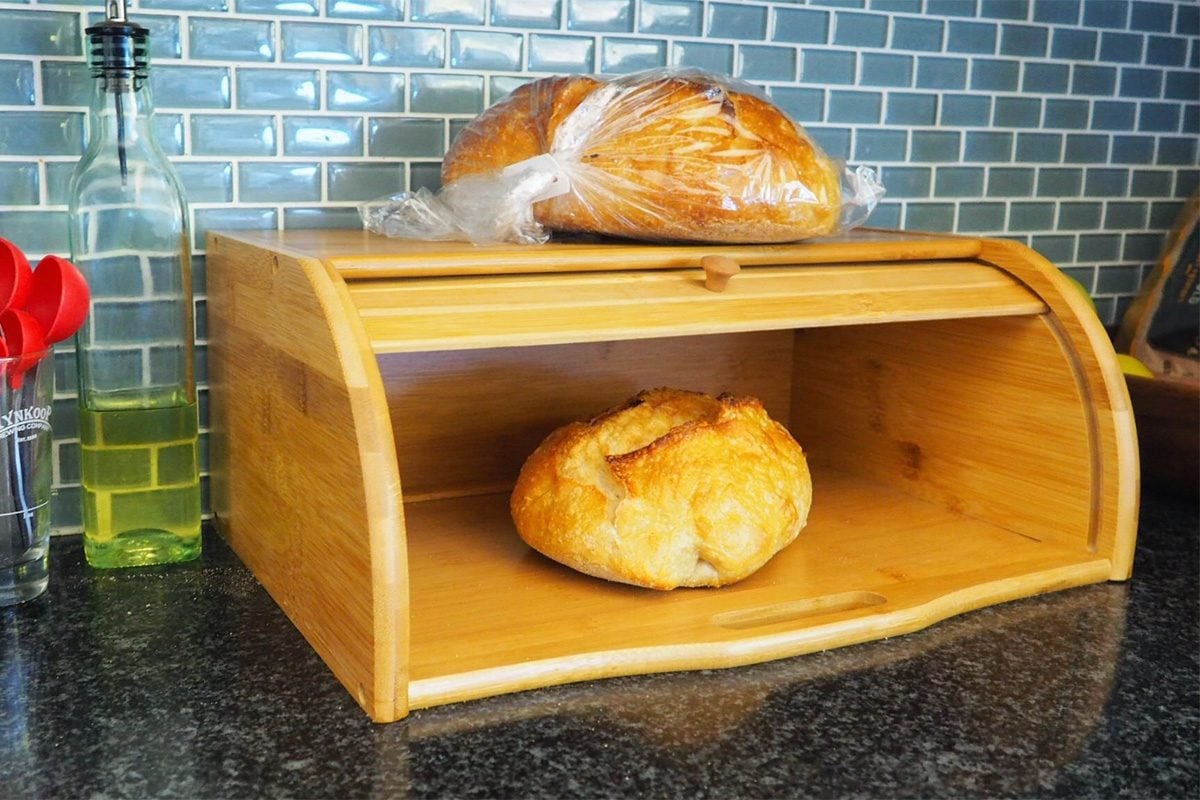
We tested the top-rated bread box on Amazon to see if it kept bread fresher than storing it in a plastic bag. Did it work?
Our editors and experts handpick every product we feature. We may earn a commission from your purchases.
Learn more.

We tested the top-rated bread box on Amazon to see if it kept bread fresher than storing it in a plastic bag. Did it work?
Our editors and experts handpick every product we feature. We may earn a commission from your purchases.
Learn more.
As a professional chef, I’m pretty obsessed with bread. I have a hard time knowing how to please those on low-carb or no-carb diets without it, and it’s a challenge to design gluten-free menus. Whether it’s a perfect brioche bun for a hamburger or a slice of sourdough bread alongside a bowl of pasta, bread always wins best supporting actor of my meal. But the challenge for any bread lover is knowing how to keep bread fresh.
I know bread boxes are making a comeback, and I wanted to see if it was for good reason. I decided to put this bread box to the test!
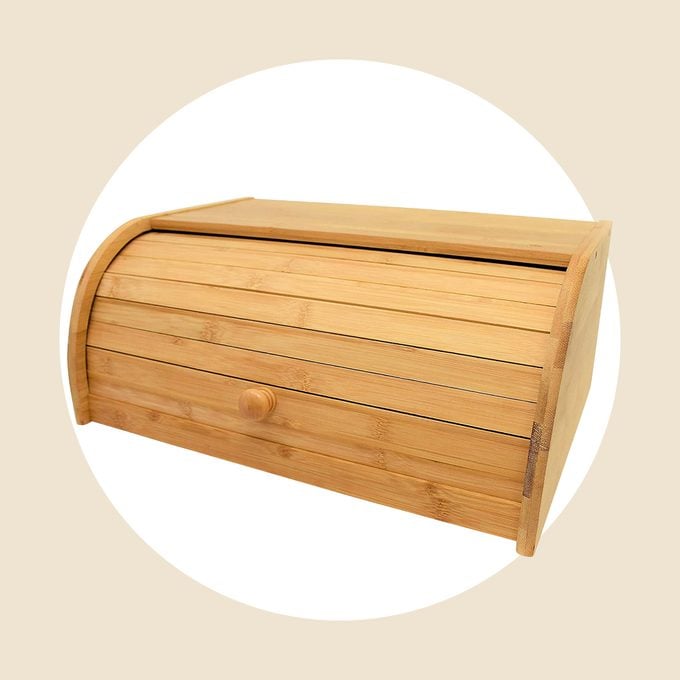
This bread box kept bread fresh the longest.
I picked up a few loaves of unsliced sourdough bread—all made at the same bakery—and stored them four different ways:
I tried my best to forget about that moist crumb, crunchy exterior and totally intoxicating aroma for a few days. (Okay, if I’m being honest, I bought a fifth loaf and devoured it on the drive back to my house.) I monitored the bread for the next three days before slicing it in half and assessing it for two more days.
The paper bag was, by far, the weakest link. By day two, it was hard as a rock. By day three, I could barely slice through its crusty exterior to cut it in half for the second half of the testing. While the inside was still nice and moist, I definitely would have had to use this stale bread hack to make it edible. So, when it comes to storing your bread, skip the paper bag.
The plastic bag and plastic wrap methods were fairly on par with each other when it came to keeping the bread fresh. But, they both had a major disadvantage: the plastic suffocated the crust. By day three, the bread was still edible, but it was completely soft. It had lost that crispy exterior that gives bread its signature chew. They were both a little dry, too, although not completely stale.
The clear winner in this experiment was the bread box. What are bread boxes for? They help bread retain its original characteristics: a crispy exterior, a moist crumb and a delectable chew. Like a plastic bag, this bread baking essential traps the moisture from the bread inside the container. But, unlike the bag, a box also is breathable, allowing some of that moisture to escape instead of softening the bread’s exterior. In short, the box creates the perfect humid environment to keep your bread at its peak for three or four days.
I will say, though, that the sliced loaf dried out on the cut end when stored in the bread box. I was able to prevent drying if I pressed the slices together to protect the exposed slice, but the slices in the plastic could be fully exposed without drying out (at the expense of a crisp exterior, of course).
If you’re buying pre-sliced bread, the bread box might not be for you. But if you want to keep a store-bought artisan loaf (or, better yet, homemade bread) in its peak condition for a few days, I’d definitely recommend a bread box. I picked up this model because it looks stylish on my kitchen counter and it’s flat on the top, giving me space to store other pantry items.
Using a bread box is also a greener way to store your bread: no excess plastic needed. That means you’ll create less waste, both by going plastic-free and by preventing your bread from going stale. And, picking up a bread box sounds like a good excuse to start making homemade bread! If you’re looking for a healthy alternative, learn how to make ezekiel bread from scratch.
This bread box kept bread fresh the longest.
Yes. Bread boxes help keep bread fresh by maintaining a balanced environment: cool, dark, and slightly humid. This slows down the drying process that makes bread go stale while preventing too much moisture buildup. They don’t make bread last forever, but they can extend freshness for several days compared to leaving it on the counter uncovered.
In most cases, yes. Refrigerating bread can actually make it go stale faster because the cold temperature speeds up starch crystallization. A bread box keeps bread at room temperature while protecting it from air and light, which helps maintain texture and flavor longer. The fridge is best reserved for breads that contain perishable fillings, like cream cheese or custard.
Not if used properly. Mold growth happens when bread is exposed to excess moisture or stored in a sealed, unventilated container. A good bread box allows for slight airflow, which prevents condensation while still keeping the bread from drying out. To avoid mold, make sure the bread box and loaf are completely dry before storing.
At Taste of Home, we bring decades of experience helping everyday home cooks and families navigate kitchen gear, storage solutions and food-freshness challenges. Our insights come from real-world use in home kitchens, plus data-driven lab tests, and our contributors draw on strong backgrounds in home and living content with a focus on practical, no-nonsense advice. When we share tips on how to keep your bread fresh, you’re tapping into the combined authority of a trusted home-lifestyle publisher and a writer who understands what works in real kitchens.