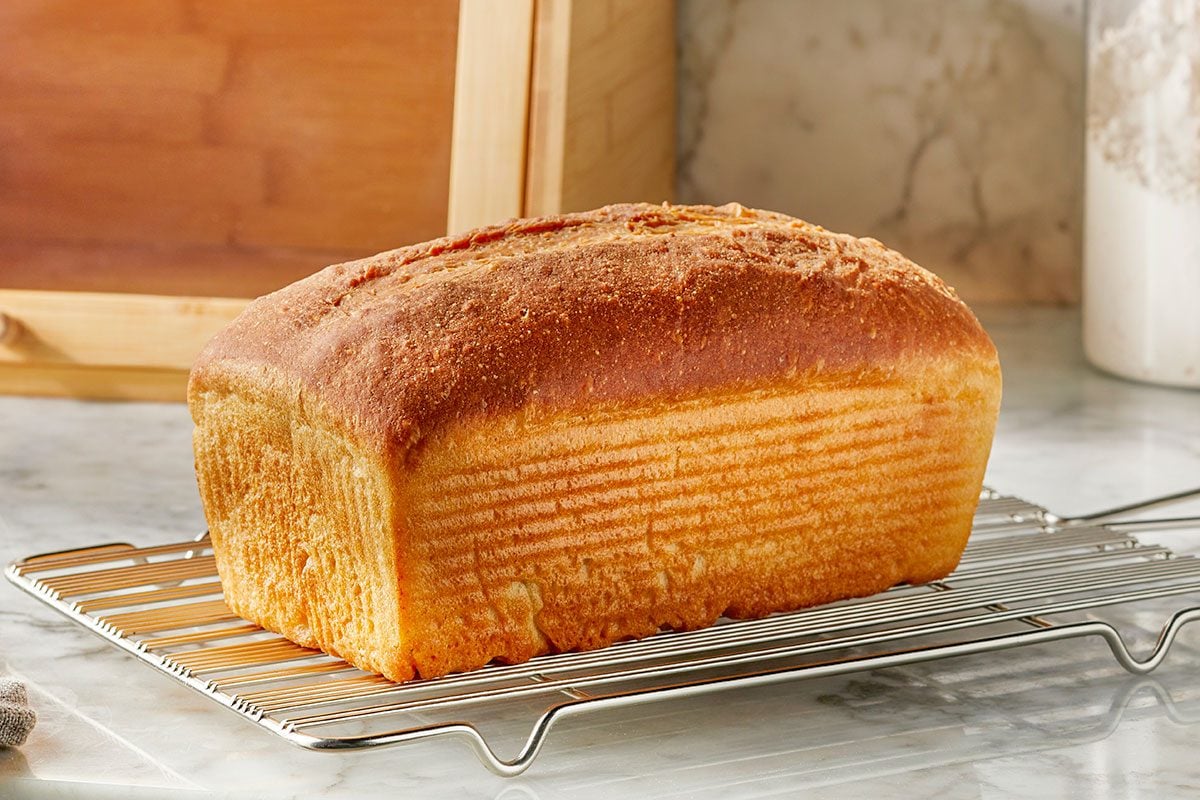
You've worked hard to make a beautiful batch of homemade bread. Here's how to store bread to keep it fresh for as long as possible.
It’s impossible to beat a homemade loaf of bread: the smell as it rises and bakes, the bubbling noise as it cools, and finally the chewy bite of the crust and the airy, fresh crumb. Whether you poured an afternoon into a loaf of sourdough or whipped up a quick sandwich bread, the effect is the same. But how do you store homemade bread so it stays fresh?
Unlike store-bought bread, which is packed with preservatives to keep it shelf-stable, homemade bread can get stale fairly quickly. (On the plus side, not including those extra ingredients is precisely what makes homemade bread so tasty.) As bread sits, moisture from inside the loaf evaporates into the air, leading to a dry, crumbling texture and even diminished flavor. Here’s how to store every kind of bread so they stays tasty, tender and crisp-crusted for as long as possible.
where you’ll find our best tips and top-rated recipes. Then, share your bakes in our Bakeable Facebook group. We’d love to see ’em.
The Best Way to Store Homemade Bread
At room temperature

When you store homemade bread at room temperature, eating it within a few days is best. The crumb (that’s the soft, interior part of the loaf) will remain tender and moist, while the crust should stay crisp.
If you eat the loaf in one day or so, just leave it on the counter. If it’s cut, store it with the exposed side face down on a cutting board, preferably wood. We especially like this method for crusty bread, like a boule or Dutch oven bread. Keeping this type of loaf unwrapped will preserve the crackle and crispness.
If you expect to store the bread for a few days, pop it into a storage bag, press out the excess air and seal. Make sure that the bread is completely cool and dry before putting it into a bag; if there’s any steam in the bag, the moisture will cause the bread to get soggy or even moldy. Sealing the bread in a bag will help the crumb remain moist, although it will soften the crust slightly. Crisp it back up in the toaster.
In the refrigerator

A common food storage mistake is keeping bread in the fridge. The cold, dry air in the fridge quickly draws the moisture out of the bread, making for a dry, crumbly texture.
You can make an exception for super-moist breads, especially if they contain ingredients that may spoil, such as fresh fruit or cream cheese. Rich dessert breads or quick breads have enough moisture to hold up to the dry refrigerator conditions for a few days.
In the freezer

The freezer is the best place to store homemade bread for the long term. Freezing bread keeps it moist and tender with a crisp crust—provided it’s stored properly. All breads keep well in the freezer, from quick breads to baguettes, bagels and sandwich loaves.
First, allow the bread to cool completely. Seriously, if it’s warm at all when you wrap it and freeze it, the bread can end up soggy. I like to bake bread, then leave it overnight to cool before wrapping it in at least two layers (such as storage wrap and foil or a freezer bag). Freeze it for up to six months. Follow the same method for whole or sliced loaves.
Uunwrap and defrost the frozen bread on the countertop. If you want to enjoy a warm, crisped-up loaf, pop the frozen bread into a 325° to 350°F oven for 20 to 40 minutes until it’s hot and crispy. Sliced bread is the easiest to enjoy: Just pop a frozen slice into the microwave or straight into the toaster to warm up.
Bread Storage Tools
Investing in bread-baking essentials, like special equipment to make and store bread, may make sense if you’re an avid baker. Nothing fancy or pricey, just a few basic tools.

Bread box
We tested a bread box to determine if it was the best way to store bread. The verdict? Positive. Well-designed bread boxes trap moisture from the bread inside the box. The boxes aren’t completely airtight, which allows a bit of breathability. That means the crumb stays fairly moist, but the crust doesn’t get soggy or lose its chewiness. Win-win!
Paper bags
Paper bags are great for storing breads with crunchy, hearty crusts, like peasant breads or baguettes. The breathable paper offers protection from drying out without sealing off airflow, which would soften the crust.
The catch? Paper won’t seal in moisture, so the bread will dry out after a day or two. If the bread does get stale, don’t toss it; see the tips on reviving stale bread below.
Plastic bags or containers
Plastic bags or containers are great for storing breads with a very moist crumb and a soft crust, such as sandwich bread or milk bread. By creating an airtight environment, the plastic container locks in moisture to keep bread fresh for several days.
Reusable bread bags
Often made from linen or cotton, bread bags are a compromise between paper and plastic. They lock in more moisture than paper, but they’re more breathable than plastic. They’re a solid option for any kind of bread, and a great eco-friendly choice in the kitchen since they’re easy to reuse.
How long does bread last?
According to the Taste of Home Test Kitchen, most breads will last three to five days at room temperature. However, that time range will vary depending on the type of bread you’ve made. Drier, craggier, crusty loaves generally begin to dry after a couple of days, while soft, tender breads will keep a bit longer. Sourdough bread typically stays fresher longer than yeast breads, and ultra-moist enriched breads (bread made with fat, such as brioche or focaccia) will keep longest of all.
Bread Storing FAQs
Should you slice bread before storing it?
If you’re keeping bread at room temperature, do not slice it. Slicing the loaf exposes more of the bread to air, which can dry it out. Always store whole loaves at room temperature and slice them as you go.
If you’re freezing bread, you can definitely slice it first. Just make sure the loaf is cool before cutting into it. Freezing sliced bread makes grabbing a slice or two for toast or sandwiches very convenient.

How do you refresh stale bread?
Did your bread get stale? It happens to the best of breads. Fix stale bread by wetting the crust and baking it at a low oven temperature. The dried-out crumb will absorb the water as it warms up, while the crust will enjoy a renewed crispiness.
On the other hand, stale bread has many uses. You can also transform that dry loaf into bread crumbs, croutons or bread pudding.
Can you make homemade bread crusty again?
The easiest way to crisp up bread crust is in the toaster. Toasting a slice of bread will nicely restore that crunch.
Can you refreeze bread after thawing it?
As a rule, you should not refreeze previously frozen food. This is true for all frozen food, from vegetables to stews, meats to breads.