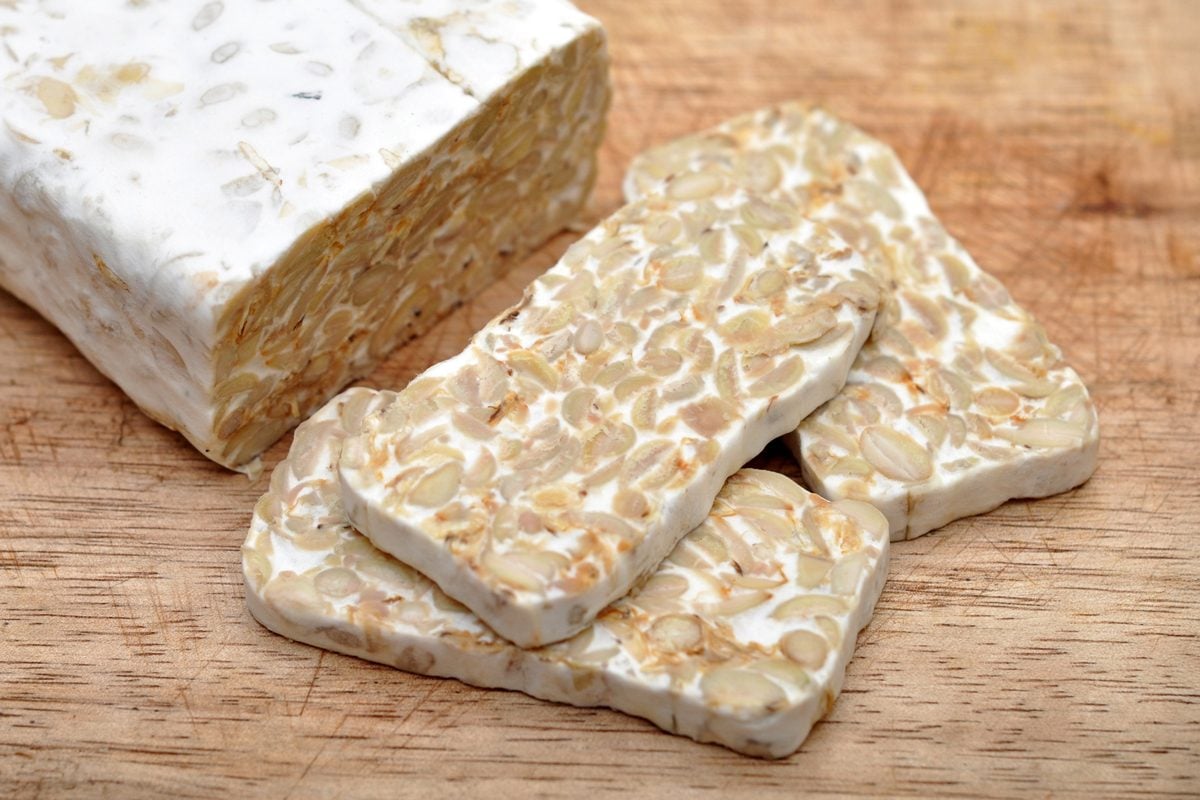
We all know tofu, but what is tempeh? This plant-based, protein-packed food is loaded with healthy nutrients, so we have broken down everything you need to know about tempeh.
Our editors and experts handpick every product we feature. We may earn a commission from your purchases. Learn more.
Looking for a new plant-based protein? Try tofu’s cooler cousin, tempeh, in your vegan and vegetarian recipes. But what is tempeh? Although it looks unusual, it’s simply a plant-based protein made from fermented soybeans. It’s firm, flavorful and packed with vitamins, minerals and prebiotics. Tempeh can be used in all kinds of meatless or vegan dinner recipes and is a mainstay on plant-based grocery lists. Its versatility makes it a great choice for any health-conscious eater looking to get more protein into their diet.
What is tempeh?
Tempeh is a vegetarian meat substitute made from whole soybeans. Unlike tofu, tempeh is fermented. The fermentation process may help your body digest it and pull more nutrients from it. It also gives tempeh a firmer, more meat-like texture. Tempeh is higher in protein than tofu and is a rich source of calcium, iron and manganese. It’s sometimes confused with seitan, but the two meat alternatives are quite different. Seitan is made from wheat gluten and is not fermented.
How is tempeh made?
So how does the fermentation process work? Well, as gross as it sounds, you need a controlled fungus to ferment your food. Over 48 hours, the fungus and mold grow on the soybeans, firming the mixture into a nutty-tasting cake. It’s believed that tempeh originated in Indonesia, and although it has been around for a very long time, it’s a relatively new discovery for many in the U.S.
What does tempeh taste like?
Tempeh has a subtle, nutty flavor that can be compared to mild, but earthy, mushrooms. It easily takes on the flavors it’s cooked with, though, which can help hide some of the fermented funkiness if that’s not your thing!
How to Cook Tempeh
bhofack2/Getty Images
Unlike some plant-based meat alternatives, tempeh can’t be eaten raw. But tempeh stands up to most cooking methods, so the recipe options are endless!
Steamed: Many tempeh lovers start by steaming the tempeh to remove the culture and add moisture. Add it to a grain bowl or use it as the main protein in a chicken salad.
Pan-fried: Try slicing tempeh and pan-frying it with your favorite seasonings to get a nice crunchy bite in an easy stir-fry recipe.
Crumbled: Tempeh can be used in place of ground beef in recipes like chili, tacos, meat sauce or soups with ground beef. We especially love it in our saucy tempeh sloppy joes recipe! Simply pulse cubed tempeh in a food processor until it’s in small bits, or crumble with your hands for larger pieces.
Baked: To really pump up the flavor, marinate it overnight, then bake it in the oven. Stuff slices of baked tempeh into sandwiches, toss with pasta or eat it on its own.
Grilled: Tempeh is hearty enough to withstand grilling and tastes great with a bit of smoky flavor. Marinate it in soy sauce and sesame oil, then grill it until hot and lightly caramelized. Just like hot dogs or kabobs, the tempeh will get a nice, crispy char on the outside. Use slices of grilled tempeh in place of bacon on a BLT, or thread cubes onto skewers as a substitute for shrimp in shrimp kabobs.
Tempeh FAQ
Is tempeh healthy?
Tempeh can be part of a healthy eating plan. Studies show that replacing meat with plant-based foods can lower your risk of heart disease and other chronic conditions. And unlike meat, tempeh is a good source of fiber. A 4-ounce serving of tempeh has 20 grams of protein, 12 grams of fiber and 222 calories.
You may have heard concerns about a possible link between soy products and cancer. Soybeans have a high concentration of phytoestrogen, which functions like human estrogen in the body (with much weaker effects). According to experts at the Harvard School of Public Health, the research is mixed, and soy products like tempeh can be safely eaten several times per week.
How does tempeh compare to other plant-based proteins like tofu or seitan?
While tempeh is a plant-based protein, like tofu or seitan, that’s where most of the similarities end. Tempeh has the most distinct, firm texture and a higher amount of protein and fat. It’s also probably the funkiest in flavor from being fermented, and it has to be cooked before eating, while tofu is delicious both cold and hot.
Can tempeh be eaten raw?
No, tempeh cannot be eaten raw. It needs to be cooked to destroy any potentially damaging microorganisms that grow during fermentation. This means that the cooking process removes any probiotic benefits, but not the nutrients. Luckily, there are many great ways to cook tempeh, including grilling, steaming, sauteeing and baking, so you’ll never run out of fun ways to prepare it.
Where can I buy tempeh?
Tempeh can be found at health food stores and even many grocery stores now. Check out Whole Foods, Target and Amazon for a wide selection. Look for tempeh in the refrigerated section of the store alongside other meat substitutes like tofu and seitan. Tempeh is relatively inexpensive, ranging from $3 to $6 per package. Here are a few varieties to look for:
We are no longer supporting IE (Internet Explorer) as we strive to provide site experiences for browsers that support new web standards and security practices.