


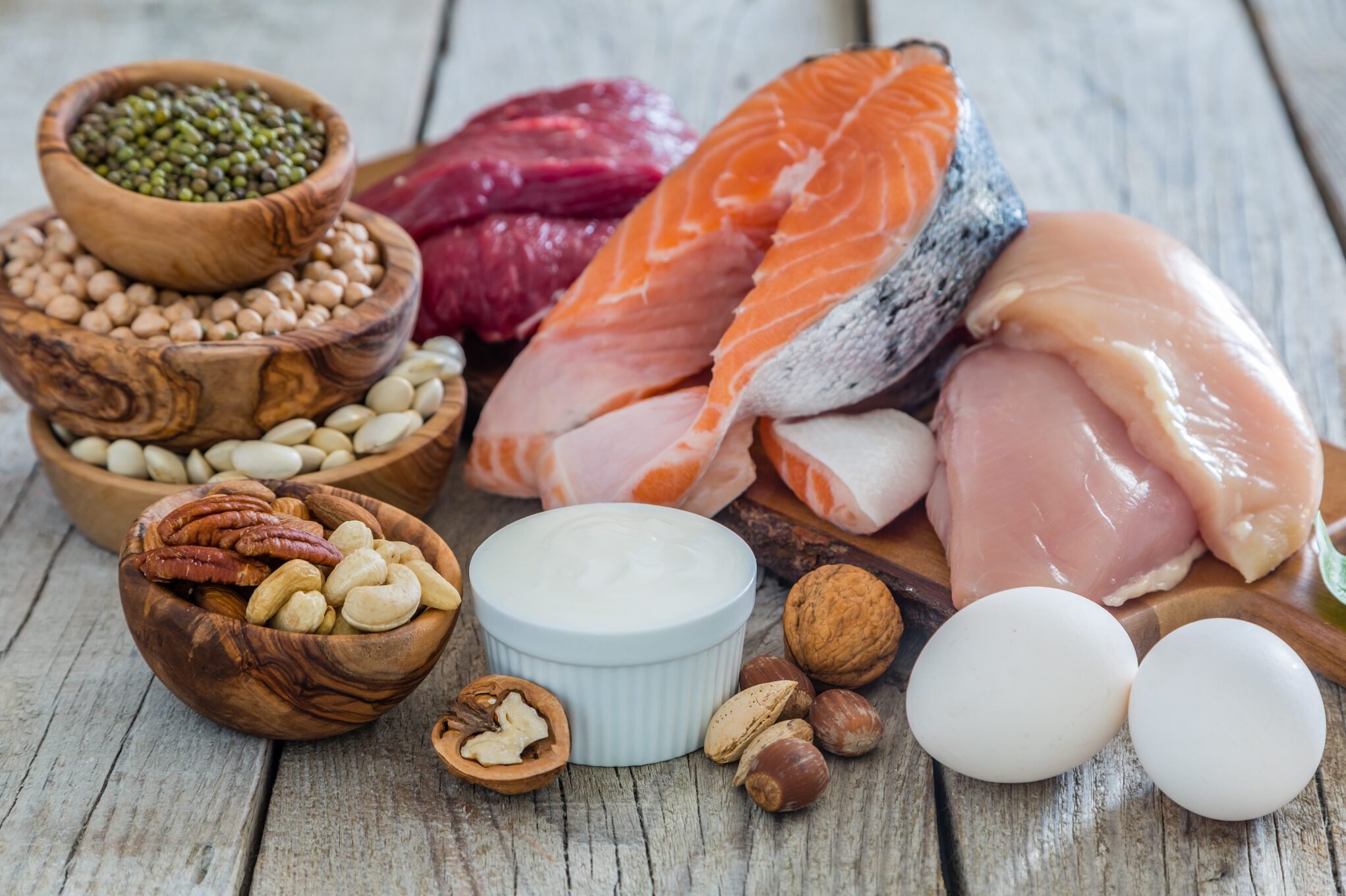
Foods with protein, from both animal- and plant-based sources, help power your day, keep you full and make every meal more satisfying. Discover which foods pack the most protein to help you meet your daily goals while supporting overall health.
1
/
20

Chicken
A standard 3-ounce serving of cooked chicken breast provides about 26 grams of protein, making it one of the most protein-dense foods you can add to meals. Plus, what can’t you do with a pack of boneless skinless chicken breasts? Grill them for topping salads and grain bowls, shred them for soups and taco fillings, or roast them on a big sheet pan to make chicken salad.
Dark meat drumsticks and thighs are also rich in protein, but they contain a bit less protein per ounce. You can usually swap in boneless skinless thighs for breasts in any recipe for a richer flavor and juicier meat—just slightly increase the cooking time.
2
/
20

Turkey
Turkey delivers roughly 25 grams of protein per 3-ounce cooked serving. Leaner cuts, such as turkey breast or 93% lean ground turkey, contain the most protein per ounce. Similar to chicken, white meat cuts provide more protein than dark meat.
There are so many ways to enjoy turkey beyond the holiday table—think turkey burgers, chili, tacos and lettuce wraps. Sliced deli turkey also makes a classic sandwich and is a convenient protein-packed snack.
3
/
20

Pork Loin
Pork loin is a surprisingly lean cut of meat, offering about 25 grams of protein per 3-ounce cooked serving. It’s tender, mild in flavor, and easy to dress up with herbs, spices or marinades. Try roasting or slow-cooking pork loin for weeknight dinners, and slice or shred the leftovers for sandwiches, fried rice, quesadillas, grain bowls or omelets.
4
/
20

Lean Beef
Lean cuts of beef, such as sirloin steaks or 90% lean ground beef, allow you to enjoy a rich, meaty flavor without excess fat and calories. Most lean beef contains about 22 grams of protein per 3-ounce cooked serving, and it is an excellent source of essential minerals like iron and zinc.
Add thinly sliced beef or ground beef to stir-fries, tacos, pasta sauces, casseroles or salads for a satisfying protein boost. For snacks, reach for lean beef jerky—it typically contains around 10 grams of protein per serving, making it an easy on-the-go option to boost protein between meals.
5
/
20

Tofu
Tofu is a versatile soy-based product with about 22 grams of protein per 1/2-cup serving. It’s a plant-based staple that takes on the flavors of whatever it’s cooked with, making it perfect for crumbling into stir-fries, tacos and scrambles, or for cubing to grill, pan-sear or air-fry for a crispy bite. Choose extra-firm or firm tofu for cooking and soft or silken tofu for blending into sauces, smoothies and desserts.
6
/
20

Tuna
Tuna is a protein powerhouse, with about 21 grams of protein per 3-ounce serving. It’s also a good source of omega-3 fatty acids, which support heart and brain health. Canned tuna is especially convenient and budget-friendly, making it easy to add protein to meals and snacks. Use it to make classic tuna salad, toss it into pasta dishes or add it to salads for a seafood twist.
One word of caution: Some types of tuna are higher in mercury, which can pose health risks—especially for children and people who are pregnant or breastfeeding. To limit mercury exposure, the U.S. Food and Drug Administration recommends limiting tuna consumption to two servings per week.
7
/
20

Salmon
Like tuna, a 3-ounce serving of salmon contains roughly 20 grams of protein, plus heart-healthy omega-3 fatty acids. Fresh or frozen salmon fillets cook quickly and can be baked, grilled or pan-seared for an easy lunch or dinner. You can also use canned salmon to make salmon patties, toss into salads or mix into pasta dishes to boost protein with minimal effort.
8
/
20

Shrimp
Shrimp is low in calories and fat but is high in protein, with about 20 grams of protein per 3-ounce serving. Frozen shrimp is a protein staple I always keep on hand. It thaws quickly and makes it easy to build a high-protein meal in minutes. Plus, shrimp cooks quickly, making it perfect for busy weeknight meals. Try baking or sauteing peeled and deveined shrimp for tacos, pasta dishes, salads and stir-fries.
9
/
20
Greek Yogurt
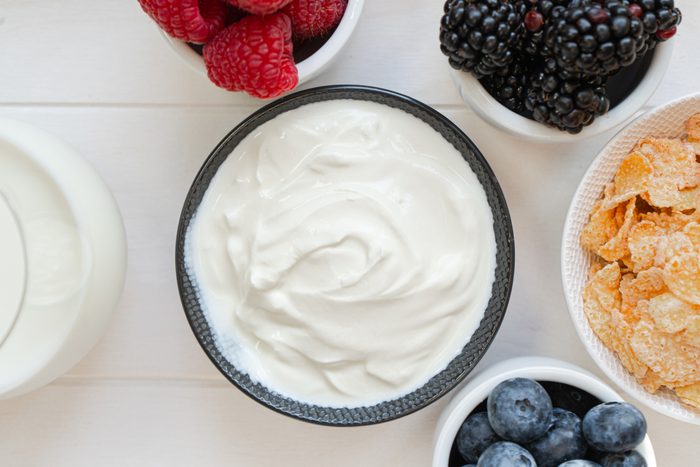
Greek yogurt is a creamy protein-packed staple that can do so much more than be served in a bowl. Depending on the thickness and fat content, most Greek yogurts contain 15 to 20 grams of protein per serving. It also provides calcium and probiotics to support healthy bones, skin and digestion—just a few of the many health benefits of Greek yogurt.
Be sure to choose plain, unsweetened yogurt, as flavored varieties are usually higher in sugar. Build a filling Greek yogurt parfait with fruit, granola and nut butter, or blend it into smoothies for a natural protein boost. You can even dollop it on chili, nachos or baked potatoes instead of sour cream, or substitute it for mayonnaise or sour cream in sauces, dips and dressings.
10
/
20

Sardines
Sardines may be small, but they’re mighty when it comes to protein—with five sardines providing about 15 grams of protein. They’re also packed with omega-3 fatty acids and deliver roughly 25% of your daily calcium needs.
Not sure how to serve tinned fish? Add a few sardines into tuna salad, mash them on whole grain or sourdough toast, toss them into a simple pasta dish with Parmesan cheese and bright lemon zest, or blend them into a savory spread to enjoy with crackers.
11
/
20

Tempeh
Tempeh is made from fermented soybeans and has a firm texture with a nutty flavor. It’s a wonderful plant-based protein, with about 15 grams of protein per 3-ounce serving. It’s also a good source of fiber, iron, calcium and probiotics.
Like tofu, tempeh soaks up the flavors of sauces and marinades, making it perfect for meatless stir-fries, chilis, tacos and pasta dishes. If you’ve never tried it, our tempeh cooking guide includes tips for baking, grilling and pan-frying tempeh.
12
/
20

Cottage Cheese
Cottage cheese is one of the highest-protein dairy foods, providing about 15 grams of protein per 1/2-cup serving. It’s delicious on its own for breakfast or as a snack, but you can also treat it like yogurt and top it with fruit, nuts or granola, or go savory with chopped cucumbers, tomatoes and a drizzle of olive oil.
Cottage cheese is also wonderfully versatile and can be used in all sorts of breakfast, dinner and even dessert recipes. Use it to boost the protein content of egg dishes, smoothies, pancakes and waffles. Swap it in for ricotta in lasagna or stuffed shells, or blend it into creamy protein-packed dips.
13
/
20
Hemp Seeds
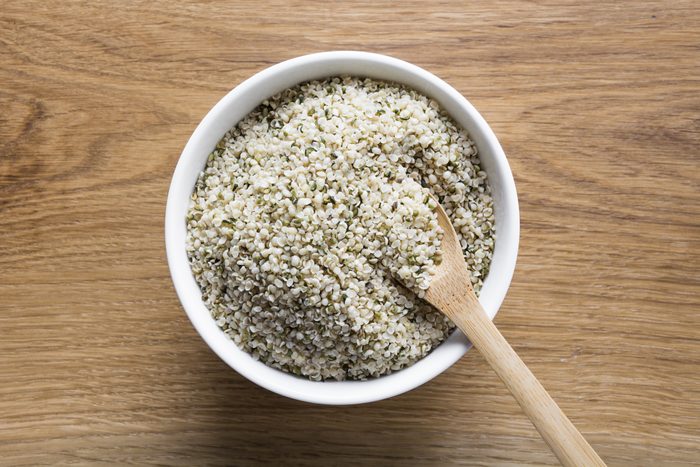
Hemp seeds are tiny but pack a mighty punch, with 3 tablespoons of seeds providing about 10 grams of protein. They’re a complete plant protein, meaning they contain all nine essential amino acids, and they also offer healthy fats, B vitamins and about 20% of your daily iron needs.
Try sprinkling hemp seeds on yogurt or oatmeal, use them as a healthy salad topping, blend them into smoothies, or mix them into baked goods for extra protein and a slightly nutty flavor.
14
/
20
Lentils
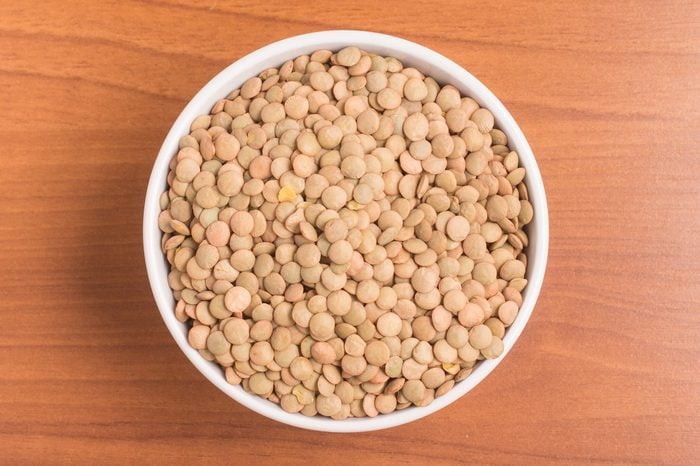
Part of the legume family, lentils are a plant-based protein that contains about 9 grams of protein per 1/2-cup cooked serving. They’re also high in fiber, iron, and other essential vitamins and minerals.
Lentils come in several varieties, including green, red and black. Lentil soup is a classic choice, but you can also add cooked lentils to salads, chilis and veggie burgers, or enjoy them on their own as a substitute for starchy sides.
15
/
20

Edamame
Edamame are young, green soybeans and are another excellent plant-based protein, with about 9 grams of protein per 1/2 cup of shelled beans. Frozen edamame is convenient to keep on hand for quick protein additions.
Steam the pods and sprinkle them lightly with salt for a simple snack or appetizer. Or, toss shelled edamame into stir-fries, salads and grain bowls, or blend them into a colorful green hummus for an easy protein boost.
16
/
20

Peanut Butter
Peanut butter is one of my personal favorite pantry staples. I use it for everything from snacking straight out of the jar to adding a nutty boost to savory dishes or mixing into oatmeal, baked goods and smoothies.
Just 2 tablespoons of peanut butter contain 8 grams of protein, along with healthy fats and fiber. I recommend choosing a natural peanut butter to avoid added sugar and oil.
17
/
20

Quinoa
If you’re looking for a high-protein alternative to rice, try quinoa! Quinoa is a whole grain that cooks up tender and fluffy, boasting about 8 grams of protein per cooked cup. It contains all nine essential amino acids, along with fiber, vitamins and minerals.
Use quinoa in soups, make it the base of grain bowls, toss it into salads, cook a quinoa porridge (similar to oatmeal) or enjoy it as a side dish.
18
/
20

Eggs
No list of protein foods is complete without eggs—they’re an easy, versatile staple, with a single large egg having 6 grams of protein. The protein is found in both the egg white and the yolk, so enjoying whole eggs helps you get the most protein and nutrients.
A carton of eggs can be scrambled or baked into a frittata, breakfast casserole or egg muffins, or you can fry a few eggs for topping grain bowls or roasted vegetables. I always keep a batch of hard-boiled eggs prepped in the fridge for grab-and-go snacks. You can even stir a whole egg or liquid egg whites into a pot of oatmeal to boost the protein content.
19
/
20
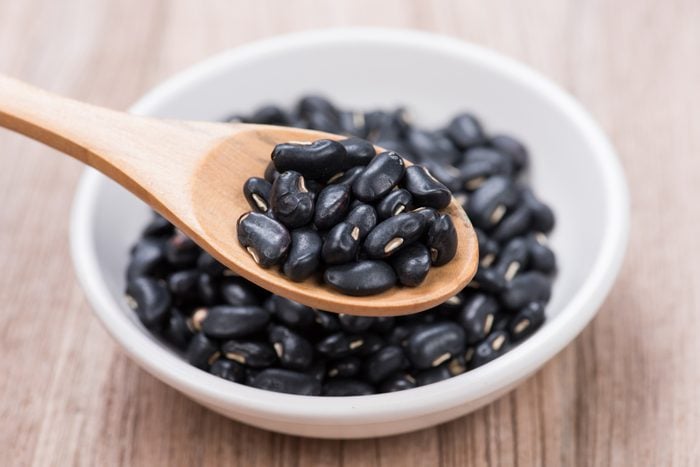
Black Beans
Black beans are a shelf-stable and budget-friendly staple to keep on hand for boosting protein in all kinds of recipes. A 1/2 cup of cooked black beans contains about 7 grams of protein.
Stir them into your favorite chilis, tacos, salsas and soups; add them to burrito bowls, cheesy quesadillas and salads; or mash them into spreads and dips for tortilla chips and raw veggies. For even more inspiration, check out our list of recipes that start with a can of black beans.
20
/
20
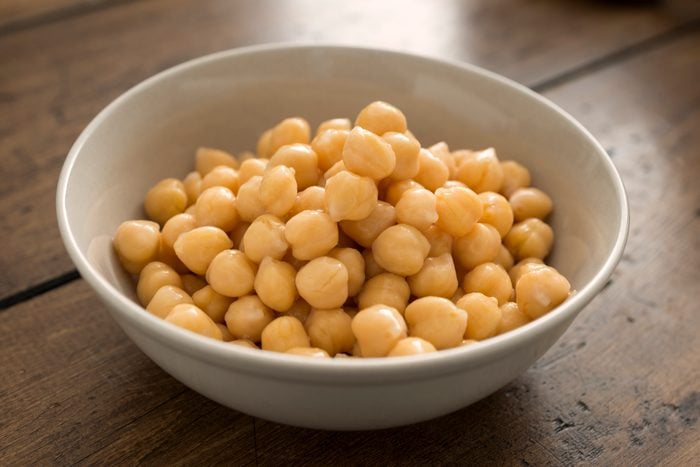
Chickpeas
Chickpeas provide about 7 grams of protein per 1/2-cup serving, along with plenty of fiber to help keep you satisfied. They’re incredibly versatile—toss them into salads and grain bowls, simmer them in curries and soups, or toss them with olive oil and spices to make roasted chickpeas for a crunchy, high-protein snack. Mashed chickpeas also make a great base for plant-based sandwich fillings and dips, including homemade hummus.
Foods with Protein FAQ
How can I eat more protein in a day?
You can eat more protein in a day by planning meals and snacks around high-protein foods first, then complementing them with whole grains, vegetables, fruits or healthy fats to make a balanced meal.
Start your day with protein-rich breakfast options, such as eggs, cottage cheese, a Greek yogurt parfait, or a smoothie with peanut butter and hemp seeds. For lunch and dinner, focus on lean meats, fish or plant-based proteins, such as beans and quinoa, or a tofu and veggie stir-fry. Snacks are another great opportunity to sneak in more protein (see next question for ideas).
What snacks are high in protein?
Ideas for high-protein snacks include Greek yogurt, cottage cheese, hard-boiled eggs, string cheese, roasted chickpeas, steamed edamame and lean beef jerky sticks. Easy homemade protein-rich snacks include trail mix with nuts and seeds, a refreshing bean salad, and chicken or tuna salad.
To get the most bang for your buck, pair a protein with a bit of fiber or healthy fat, such as apple slices with peanut butter or cottage cheese with berries, for even longer-lasting energy.
How much protein is in an egg?
According to the U.S. Department of Agriculture, one large egg provides roughly 6 grams of protein. The protein content is almost evenly split between the egg white and the yolk. In addition to protein, egg yolks contain healthy fats and a variety of vitamins and minerals, making whole eggs a nutritious choice.


