


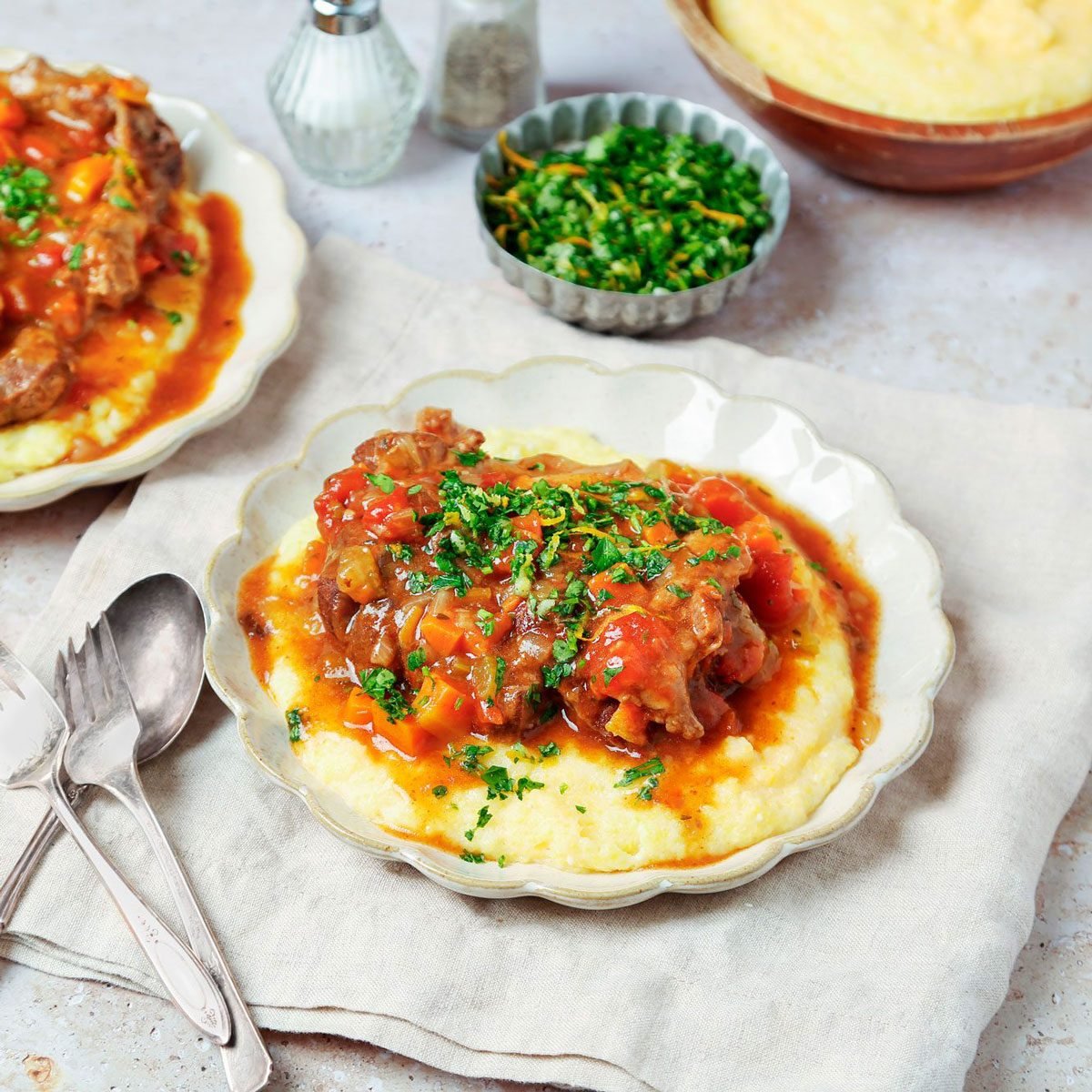
From hearty mains to fruit-forward desserts, these easy recipes with wine help you finish up a bottle ... or give you a reason to open a new one.
Whether you’re looking to finish an almost empty bottle of wine or want to add extra flavor to a simple meal, these recipes with wine have all the ideas you need. From elegant classics like creamy risotto and red wine poached pears to tender, meaty braising recipes like osso buco, there is a recipe for every mood and every bottle of wine.
In this collection, each recipe uses a type of wine, whether a crisp white, earthy red or dry Marsala, that gives the dish a unique flavor and aromatic depth that’s hard to beat. And wine isn’t just for savory dishes—there are also desserts, such as frozen sorbet and granita or warm poached pears for an unexpected, sophisticated taste. Many recipes require only a small amount of wine, perfect for when you have a little bit left in the bottle and don’t want to waste it. And if you’re avoiding alcohol, try options like vegetable broth or apple juice.
From simple Sunday stews to impressive dinner ideas for company, cooking with wine is an easy way to help a meal stand out from a simple weeknight dinner. So, before you hit the store, plan your next food and wine pairing and get ready to create a restaurant-worthy meal at home.
1/40
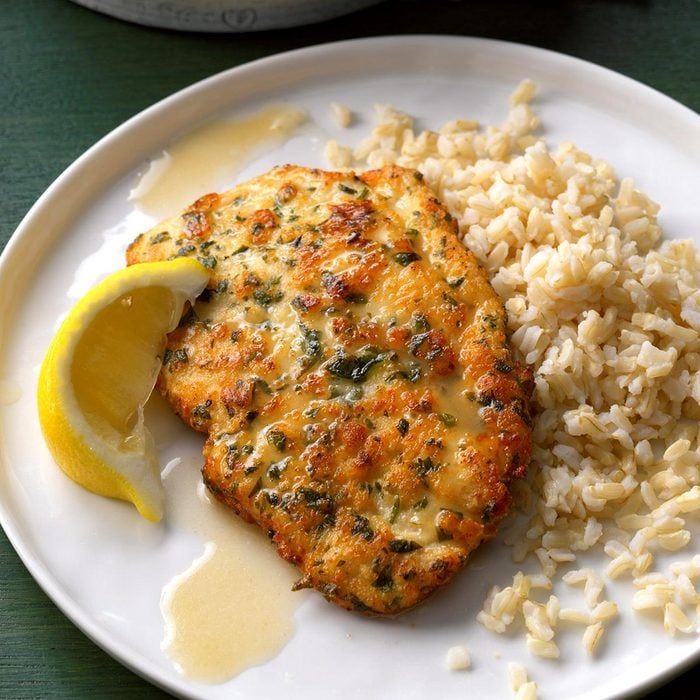
Chicken Piccata with Lemon Sauce
From the Recipe Creator:
Once you've tried this tangy, yet delicate lemon chicken piccata, you won't hesitate to make it for company. Seasoned with Parmesan and parsley, the chicken cooks up golden brown, then is drizzled with a light lemon sauce. —Susan Pursell, Fountain Valley, California
Nutrition Facts:
1 chicken breast half: 232 calories, 9g fat (4g saturated fat), 75mg cholesterol, 346mg sodium, 8g carbohydrate (1g sugars, 0 fiber), 27g protein. Diabetic Exchanges: 3 lean meat, 1 fat, 1/2 starch.
2/40
Shrimp Puttanesca

From the Recipe Creator:
I throw together these bold ingredients for a feisty seafood pasta. —Lynda Balslev, Sausalito, California
Nutrition Facts:
1 cup shrimp mixture: 228 calories, 12g fat (2g saturated fat), 140mg cholesterol, 579mg sodium, 8g carbohydrate (3g sugars, 1g fiber), 20g protein.
3/40
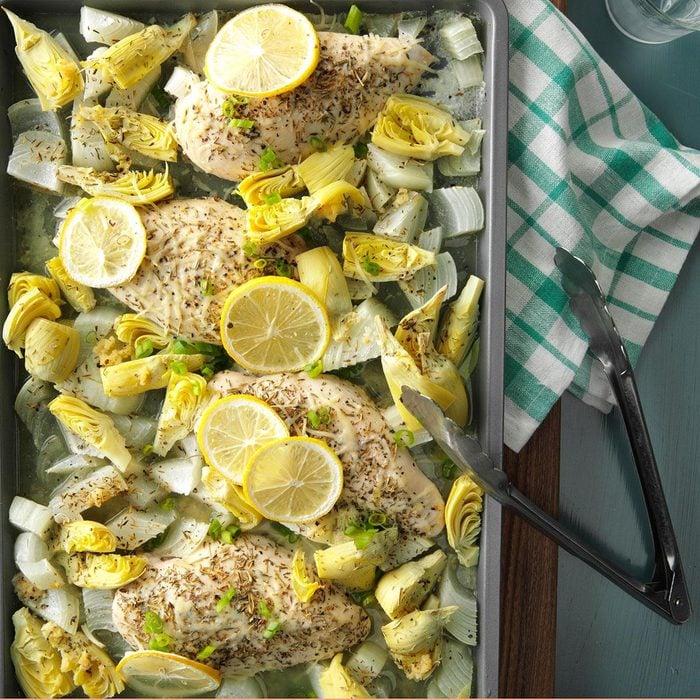
Parmesan Chicken with Artichoke Hearts
From the Recipe Creator:
I've liked the chicken and artichoke combo for a long time. Here's my own lemony twist. With all the praise it gets, this dinner is so much fun to serve. —Carly Giles, Hoquiam, Washington
Nutrition Facts:
1 chicken breast half with 3/4 cup artichoke mixture: 339 calories, 9g fat (3g saturated fat), 98mg cholesterol, 667mg sodium, 18g carbohydrate (2g sugars, 1g fiber), 42g protein. Diabetic Exchanges: 5 lean meat, 1 vegetable, 1 fat, 1/2 starch.
Here are some expert tips on how to cook with wine.
4/40
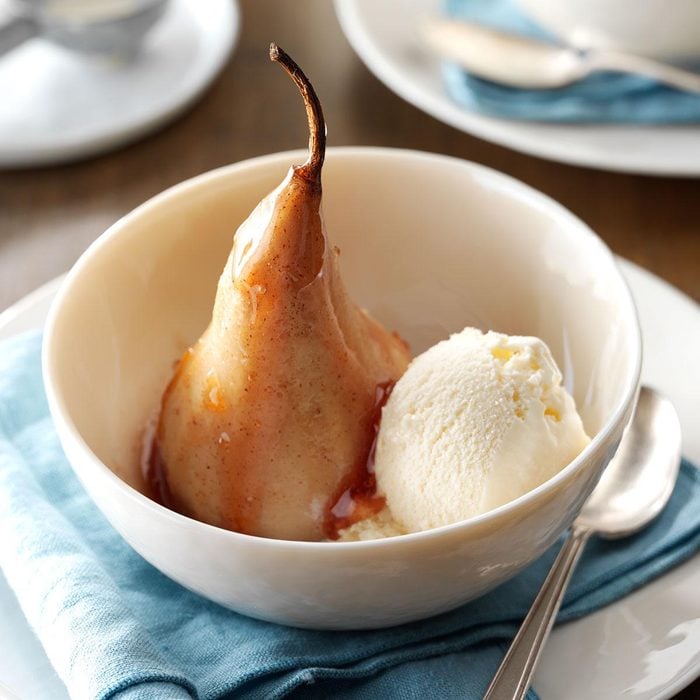
Burgundy Pears
From the Recipe Creator:
These warm spiced pears elevate slow-cooking to a new level of elegance, yet they're incredibly easy to make. Your friends won't believe this fancy-looking dessert came from a slow cooker. —Elizabeth Hanes, Peralta, New Mexico
5/40
Beef Osso Buco

From the Recipe Creator:
Treat holiday guests to elegant comfort food at its best. Our osso buco beef boasts a thick, savory sauce complemented by the addition of gremolata, a chopped herb condiment made with lemon zest, garlic and parsley. —Taste of Home Test Kitchen
Nutrition Facts:
1 shank with 1 cup sauce and 4 teaspoons gremolata: 398 calories, 15g fat (6g saturated fat), 112mg cholesterol, 640mg sodium, 17g carbohydrate (5g sugars, 4g fiber), 47g protein.
6/40
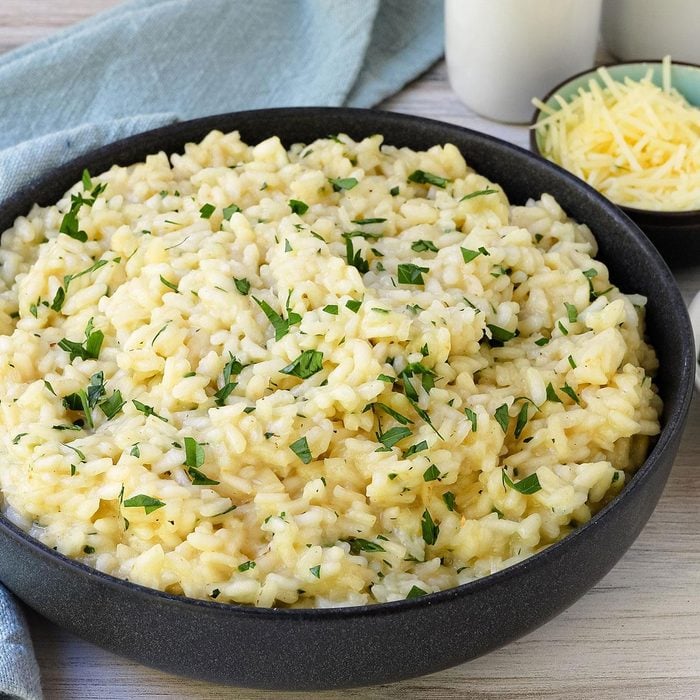
Parmesan Risotto
From the Recipe Creator:
Risotto is a creamy Italian rice dish. In this version, the rice is briefly sauteed, then slowly cooked in wine and seasonings. Watch for that magic moment when the risotto transforms from just rice in liquid to creamy, tender deliciousness. —Taste of Home Test Kitchen
Nutrition Facts:
3/4 cup: 260 calories, 6g fat (1g saturated fat), 2mg cholesterol, 728mg sodium, 41g carbohydrate (1g sugars, 1g fiber), 6g protein.
7/40
Peppercorn Beef Top Loin Roast

From the Recipe Creator:
A red wine sauce complements the brown sugar rub on the roast in this inviting entree. You can't go wrong with this down-home dish! —Taste of Home Test Kitchen
Nutrition Facts:
5 ounce cooked beef: 444 calories, 26g fat (10g saturated fat), 99mg cholesterol, 275mg sodium, 12g carbohydrate (9g sugars, 0 fiber), 32g protein.
8/40
Steak and Portobello Mushrooms

From the Recipe Creator:
These tasty steaks seem special, but they are fast enough for an everyday dinner. We enjoy the mushroom-topped filets with crusty French bread, a mixed salad and a light lemon dessert. —Christel Stein, Tampa, Florida
Nutrition Facts:
1 steak with 1/3 cup sauce: 247 calories, 7g fat (3g saturated fat), 51mg cholesterol, 369mg sodium, 7g carbohydrate (3g sugars, 1g fiber), 27g protein. Diabetic exchanges: 3 lean meat, 1 vegetable.
9/40
Beef Stew

From the Recipe Creator:
This stew has tons of flavor thanks to the herbs, red wine and balsamic vinegar. —James Schend, Pleasant Prairie, Wisconsin
Nutrition Facts:
1-1/2 cups: 366 calories, 11g fat (3g saturated fat), 71mg cholesterol, 605mg sodium, 40g carbohydrate (9g sugars, 6g fiber), 28g protein. Diabetic Exchanges: 3 lean meat, 2-1/2 starch, 1/2 fat.
10/40
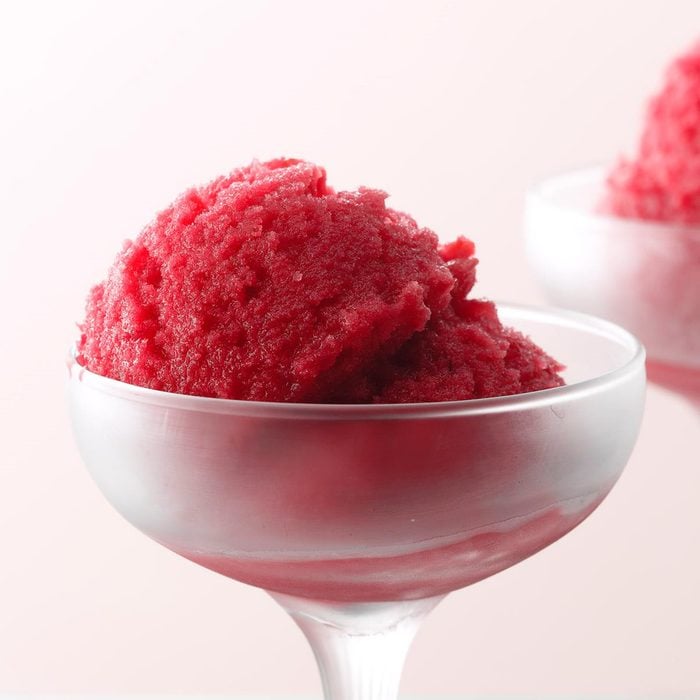
Sour Cherry Sorbet
From the Recipe Creator:
My mother-in-law has a sour cherry tree in her yard that yields many quarts of cherries each June, and this is a great way to use some up. This frosty sweet-sour sorbet is a refreshing treat on a hot summer day. —Carol Gaus, Itasca, Illinois
Nutrition Facts:
1/3 cup: 175 calories, 0 fat (0 saturated fat), 0 cholesterol, 198mg sodium, 42g carbohydrate (40g sugars, 1g fiber), 1g protein.
11/40
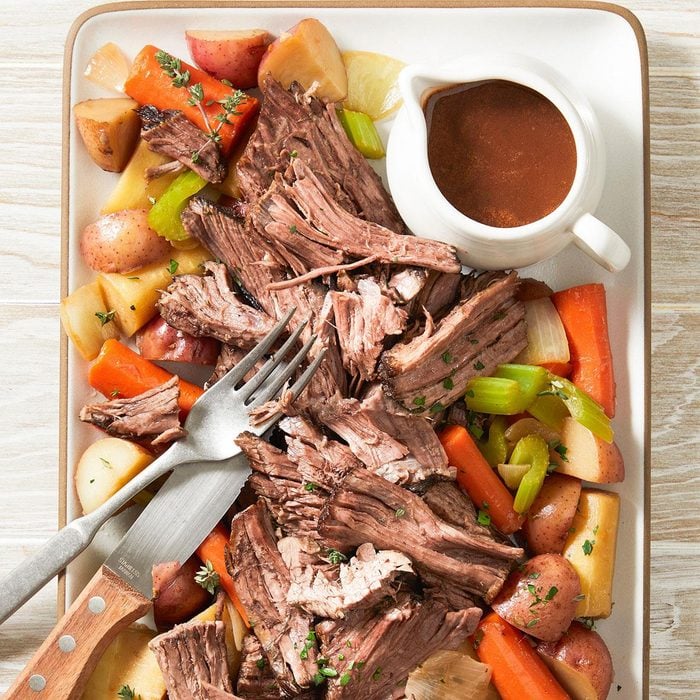
Pot Roast
From the Recipe Creator:
Dutch oven pot roast recipes are the ultimate comfort food. When juicy pot roast simmers in garlic, onions and veggies, everyone comes running to ask, “When can we eat?” The answer? Just wait—it will be worth it. —Taste of Home Test Kitchen
Nutrition Facts:
3 ounces cooked beef with 1 cup vegetables and 3 tablespoons sauce: 459 calories, 20g fat (7g saturated fat), 112mg cholesterol, 824mg sodium, 32g carbohydrate (8g sugars, 6g fiber), 37g protein.
12/40
Chicken Sausage & Gnocchi Skillet

From the Recipe Creator:
I had a bunch of fresh veggies and combined them with sausage, gnocchi and goat cheese when I needed a quick dinner. Mix and match your own ingredients for unique results. —Dahlia Abrams, Detroit, Michigan
Nutrition Facts:
1-1/2 cups (calculated without Parmesan cheese): 454 calories, 15g fat (6g saturated fat), 58mg cholesterol, 995mg sodium, 56g carbohydrate (11g sugars, 5g fiber), 21g protein.
13/40
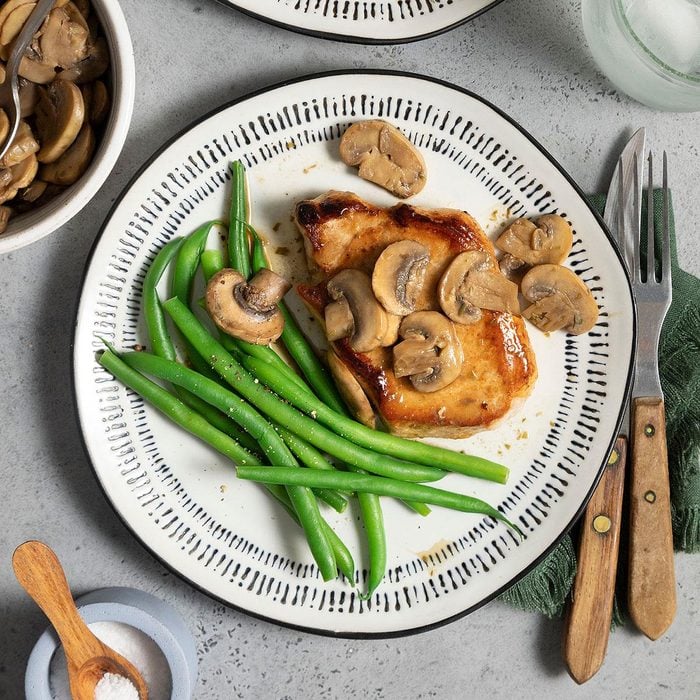
Mushroom Pork Chops
From the Recipe Creator:
My mother-in-law gave me this recipe years ago, and I have used it ever since. My family loves the sweetness with a little kick. —Hilary Rigo, Wickenburg, Arizona
Nutrition Facts:
1 pork chop with 1/3 cup mushrooms: 299 calories, 13g fat (5g saturated fat), 89mg cholesterol, 515mg sodium, 4g carbohydrate (1g sugars, 1g fiber), 35g protein. Diabetic Exchanges: 5 lean meat, 1 vegetable, 1/2 fat.
14/40
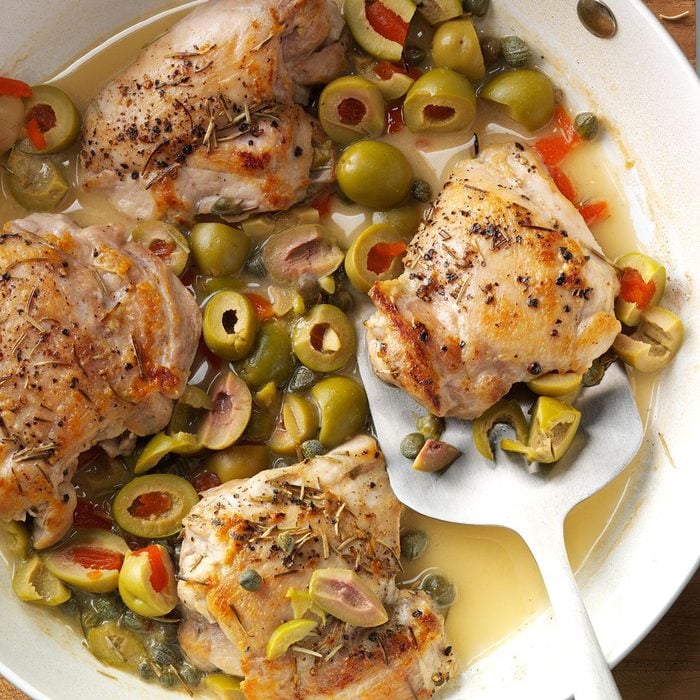
Skillet Chicken with Olives
From the Recipe Creator:
While I was visiting my cousin Lilliana in Italy, she made this heavenly chicken for lunch. Now it's a family favorite stateside too. —Rosemarie Pisano, Revere, Massachusetts
Nutrition Facts:
1 serving (calculated without capers): 237 calories, 15g fat (3g saturated fat), 76mg cholesterol, 571mg sodium, 2g carbohydrate (0 sugars, 0 fiber), 21g protein. Diabetic Exchanges: 3 lean meat, 2 fat.
15/40
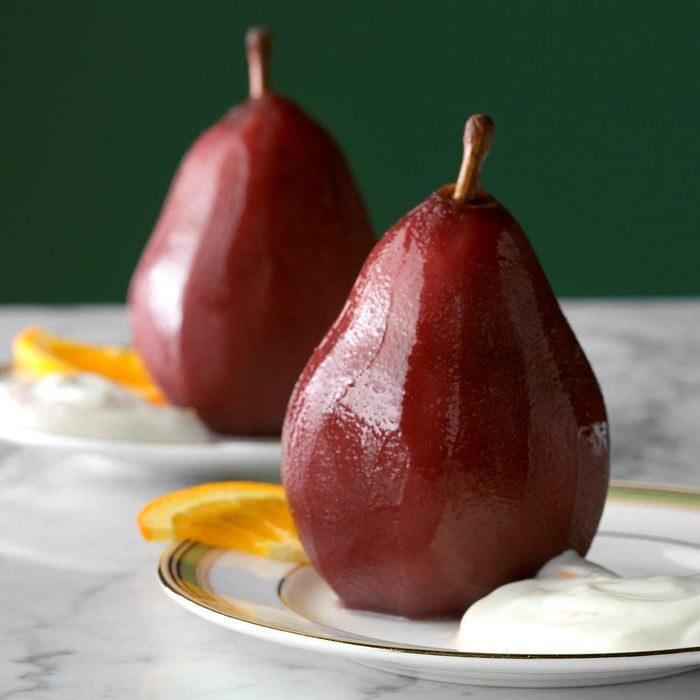
Poached Pears with Orange Cream
From the Recipe Creator:
End the meal with a flourish with this easy and elegant dessert. A hint of orange lends just enough sweetness to temper the wine's bold taste. —Julianne Schnuck, Milwaukee, Wisconsin
Nutrition Facts:
1 each: 239 calories, 3g fat (2g saturated fat), 10mg cholesterol, 23mg sodium, 46g carbohydrate (36g sugars, 5g fiber), 3g protein.
16/40
Pickled Grapes

From the Recipe Creator:
Most people don't think about grapes when creating a canned pickle recipe. The pickling liquid for these grapes includes red wine, vinegar and common pickling spices like coriander, mustard seeds and hot pepper; it also contains warm spices like cinnamon and star anise along with brown sugar. These flavor-packed grapes are unique and delicious on a fab antipasto, pickle or cheese tray. —Cheryl Perry, Hertford, North Carolina
Nutrition Facts:
1/4 cup: 32 calories, 0 fat (0 saturated fat), 0 cholesterol, 7mg sodium, 8g carbohydrate (7g sugars, 0 fiber), 0 protein.
17/40
Chicken and Dumplings

From the Recipe Creator:
Homemade chicken and dumplings from scratch hearken back to my childhood and chilly days when we devoured those cute little balls of dough swimming in hot, rich broth. It's one of those types of soup you'll want to eat again and again. —Erika Monroe-Williams, Scottsdale, Arizona
Nutrition Facts:
1-1/2 cups: 470 calories, 24g fat (8g saturated fat), 104mg cholesterol, 892mg sodium, 29g carbohydrate (5g sugars, 2g fiber), 32g protein.
18/40
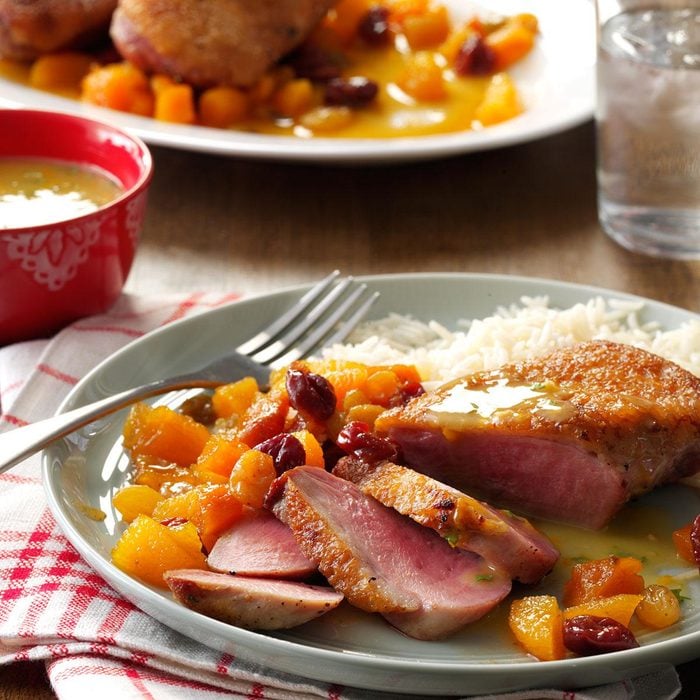
Duck Breasts with Apricot Chutney
From the Recipe Creator:
When serving this entree as part of a buffet, try using a chafing dish to keep it warm. —Taste of Home Test Kitchen
Nutrition Facts:
1 duck breast half with 1/4 cup chutney and 1 tablespoon sauce: 525 calories, 30g fat (11g saturated fat), 81mg cholesterol, 456mg sodium, 44g carbohydrate (38g sugars, 3g fiber), 18g protein.
19/40
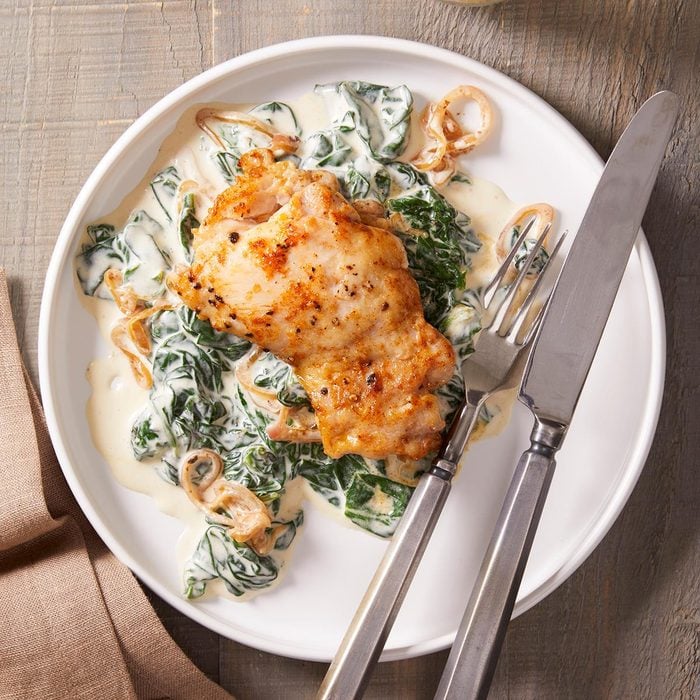
Chicken Thighs and Spinach
From the Recipe Creator:
What could be better than an entree that comes with its own creamy vegetable side? This healthy supper goes together in no time flat and makes an eye-catching presentation. —Genna Johannes, Wrightstown, Wisconsin
Nutrition Facts:
1 chicken thigh with 1/4 cup spinach mixture: 223 calories, 10g fat (3g saturated fat), 77mg cholesterol, 360mg sodium, 7g carbohydrate (2g sugars, 1g fiber), 23g protein. Diabetic Exchanges: 3 lean meat, 1-1/2 fat, 1 vegetable.
20/40
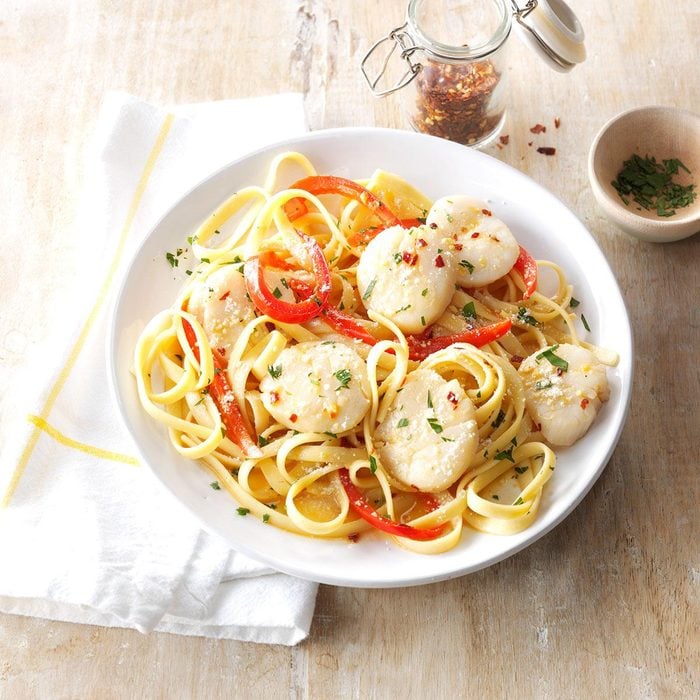
Sea Scallops and Fettuccine
From the Recipe Creator:
This luscious and lemony pasta dish is so easy, it's become one of our weekly meal mainstays. But it's also elegant enough to serve to guests. —Donna Thompson, Laramie, Wyoming
Nutrition Facts:
1 serving: 421 calories, 10g fat (2g saturated fat), 42mg cholesterol, 861mg sodium, 49g carbohydrate (4g sugars, 3g fiber), 30g protein.
21/40
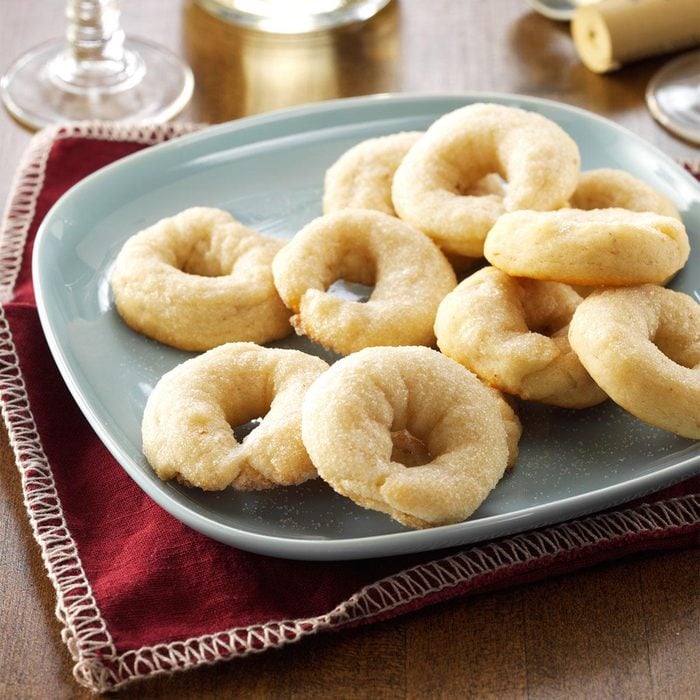
Anise & Wine Cookies
From the Recipe Creator:
My grandmother did not speak English very well, but she knew the language of great food. These wine cookies are crisp and best eaten after being dunked in even more wine. —Julia Meyers, Scottsdale, Arizona
Nutrition Facts:
1 cookie: 92 calories, 4g fat (0 saturated fat), 0 cholesterol, 3mg sodium, 12g carbohydrate (5g sugars, 0 fiber), 1g protein.
22/40
Spring Green Risotto

From the Recipe Creator:
Once a week I create a new recipe for my blog, An Officer and a Vegan. I first made this risotto when I needed something cheerful and comforting. It would be fantastic with asparagus, zucchini or summer squash, but use whatever veggies are in season. —Deanna McDonald, Grand Rapids, Michigan
Nutrition Facts:
3/4 cup: 198 calories, 3g fat (1g saturated fat), 2mg cholesterol, 477mg sodium, 37g carbohydrate (3g sugars, 2g fiber), 5g protein.
23/40
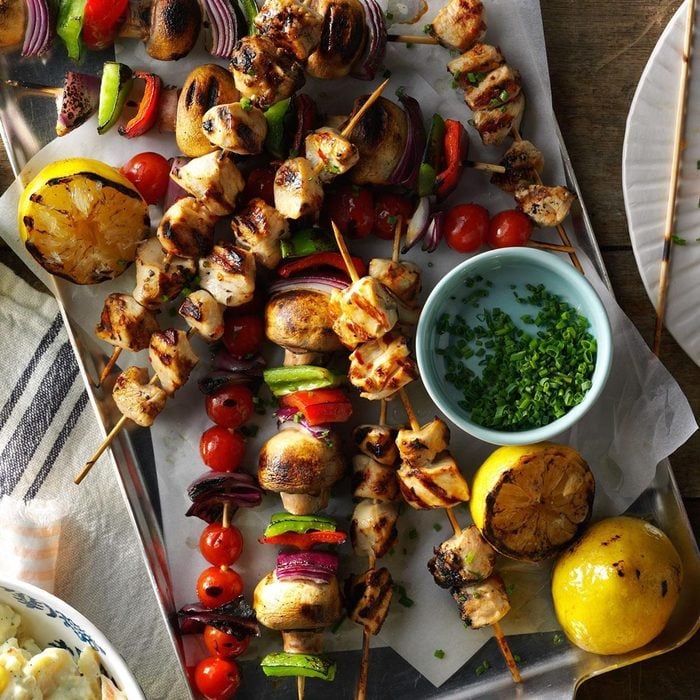
Spicy Lemon Chicken Kabobs
From the Recipe Creator:
When I see Meyer lemons in the store, I know it must be spring. I like using them for these easy chicken kabobs, but regular grilled lemons still add the signature smoky tang. —Terri Crandall, Gardnerville, Nevada
Nutrition Facts:
1 kabob: 182 calories, 8g fat (2g saturated fat), 63mg cholesterol, 55mg sodium, 2g carbohydrate (1g sugars, 1g fiber), 23g protein. Diabetic Exchanges: 3 lean meat, 1 fat.
24/40
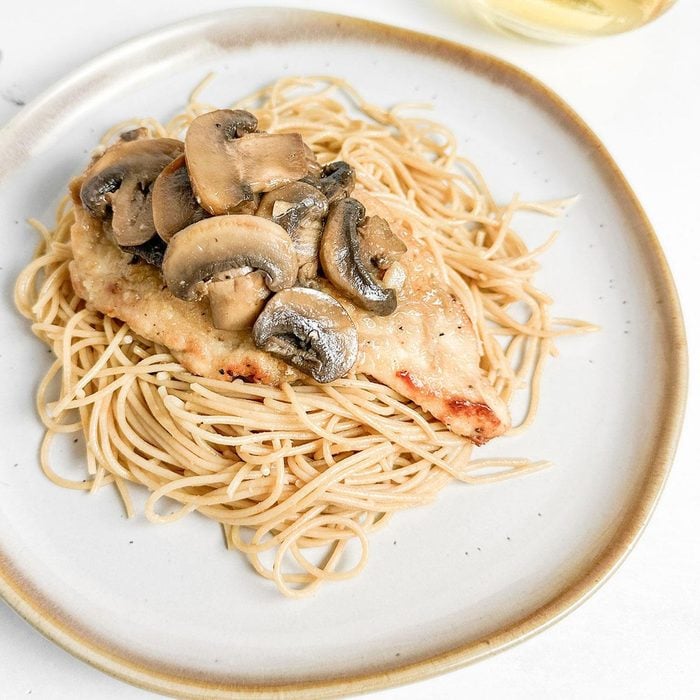
Chicken Marsala
From the Recipe Creator:
This is one of my favorite dishes to order in restaurants, so I created a version that I could make in a flash on a weeknight at home. —Trisha Kruse, Eagle, Idaho
Nutrition Facts:
1 serving: 493 calories, 11g fat (2g saturated fat), 78mg cholesterol, 279mg sodium, 50g carbohydrate (4g sugars, 7g fiber), 40g protein.
25/40
Wine-Braised Chicken with Pearl Onions

From the Recipe Creator:
This is a family favorite handed down from my grandmother in London. She made it for every family gathering. It was always the first food to go on the table and the first one to disappear. —Wayne Barnes, Montgomery, Alabama
Nutrition Facts:
2 chicken thighs with about 1/3 cup sauce (calculated without rice): 444 calories, 22g fat (6g saturated fat), 157mg cholesterol, 990mg sodium, 15g carbohydrate (5g sugars, 3g fiber), 44g protein.
26/40
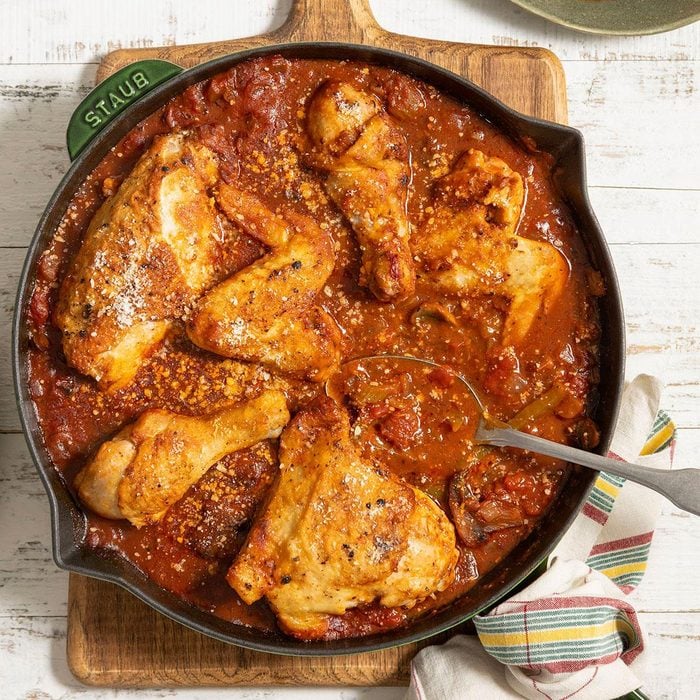
Chicken Cacciatore
From the Recipe Creator:
This chicken cacciatore recipe makes a good Sunday dinner since it is so simple to prepare. It's inexpensive and loaded with lots of vegetables. —Barbara Roberts, Courtenay, British Columbia
Nutrition Facts:
1 serving: 517 calories, 25g fat (8g saturated fat), 112mg cholesterol, 790mg sodium, 28g carbohydrate (13g sugars, 6g fiber), 39g protein.
27/40
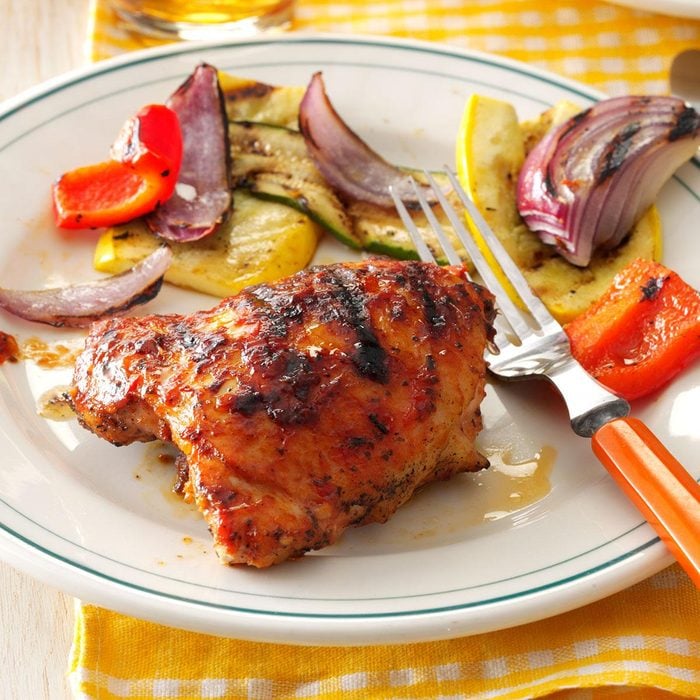
Chili Sauce Chicken
From the Recipe Creator:
Chili sauce, with plenty of garlic and basil, flavors these moist chicken thighs. We enjoy this tender grilled chicken not just in the summer but throughout the year. —Marilyn Waltz, Idyllwild, California
Nutrition Facts:
1 chicken thigh: 268 calories, 17g fat (4g saturated fat), 81mg cholesterol, 352mg sodium, 5g carbohydrate (3g sugars, 0 fiber), 23g protein.
28/40
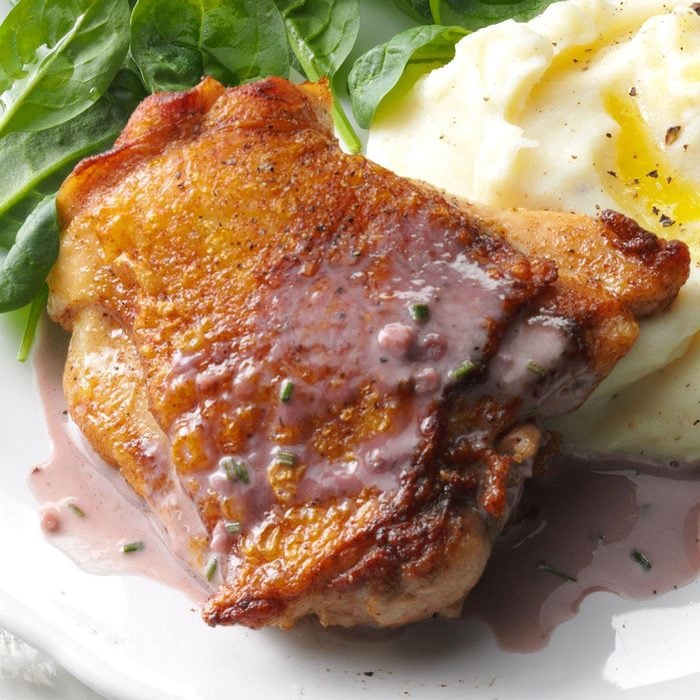
Pan-Fried Chicken Thighs
From the Recipe Creator:
My creamy chicken tastes like a five-star restaurant dish but takes only minutes and few ingredients to make. Use fresh rosemary. Trust me. —Sarah Campbell, Terre Haute, Indiana
Nutrition Facts:
1 chicken thigh with 2 tablespoons sauce: 361 calories, 28g fat (13g saturated fat), 130mg cholesterol, 398mg sodium, 1g carbohydrate (1g sugars, 0 fiber), 23g protein.
29/40
Cozumel Red Snapper Veracruz

From the Recipe Creator:
Cozumel, Mexico, is home to magnificent Veracruz-style red snapper. You can't bring it home, so create your own. Try parchment instead of the foil packet. —Barb Miller, Oakdale, Minnesota
Nutrition Facts:
1 fillet (calculated without couscous and cilantro): 285 calories, 11g fat (1g saturated fat), 60mg cholesterol, 741mg sodium, 9g carbohydrate (5g sugars, 2g fiber), 35g protein.
30/40
Slow-Cooker Spiced Poached Pears

From the Recipe Creator:
I love this dessert recipe for many reasons: It's on the healthy side; it's easy to make; the recipe can be mostly prepared in advance of company arriving; and the presentation is lovely. —Jill Mant, Denver, Colorado
Nutrition Facts:
1 serving (calculated without whipped cream and blackberries): 295 calories, 12g fat (6g saturated fat), 8mg cholesterol, 8mg sodium, 30g carbohydrate (22g sugars, 4g fiber), 2g protein.
31/40
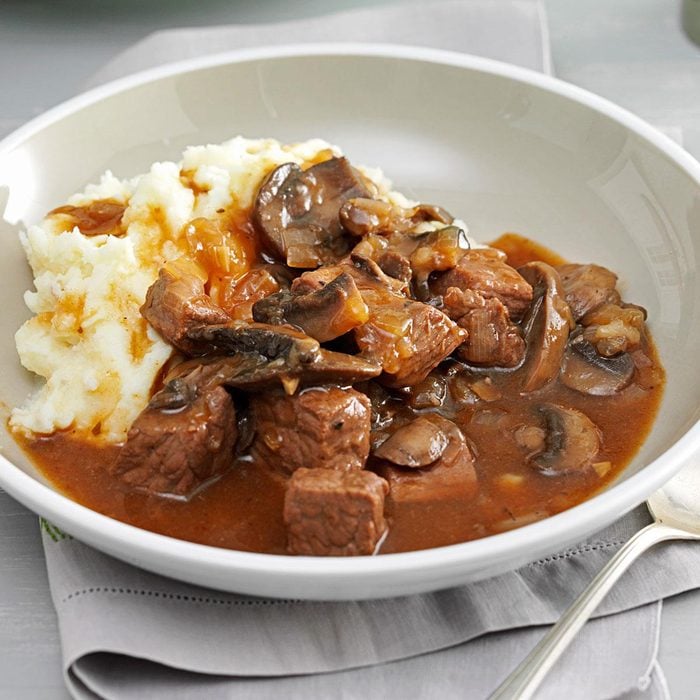
Beef & Mushroom Braised Stew
From the Recipe Creator:
Every spring my family heads out to our timber acreage to collect morel mushrooms, and then we cook up this stew. We use morels, of course, but baby portobellos or button mushrooms will work too. —Amy Wertheim, Atlanta, Illinois
Nutrition Facts:
1-1/3 cups (calculated without mashed potatoes): 395 calories, 22g fat (7g saturated fat), 98mg cholesterol, 761mg sodium, 12g carbohydrate (4g sugars, 2g fiber), 34g protein.
32/40
Three-Cheese Fondue

From the Recipe Creator:
I got this easy recipe from my daughter, who lives in France. It’s become my go-to fondue, and I make it often for our family. —Betty A. Mangas, Toledo, Ohio
Nutrition Facts:
1/4 cup: 191 calories, 12g fat (7g saturated fat), 37mg cholesterol, 151mg sodium, 3g carbohydrate (1g sugars, 0 fiber), 12g protein.
33/40
Sausage and Kale Soup

From the Recipe Creator:
My mom dehydrates the last pick of tomatoes from her garden each fall, which is perfect for quick soups like this one. When I have time to prepare dried beans, I do—but don't worry if you can't. Canned beans are just as good. —Lori Terry, Chicago, Illinois
Nutrition Facts:
1 cup: 217 calories, 8g fat (2g saturated fat), 51mg cholesterol, 868mg sodium, 15g carbohydrate (5g sugars, 4g fiber), 18g protein.
34/40
Honeydew Granita

From the Recipe Creator:
Make this refreshing summer treat when melons are ripe and flavorful. I like to garnish each serving with a sprig of mint or a small slice of honeydew. —Bonnie Hawkins, Elkhorn, Wisconsin
Nutrition Facts:
1/2 cup: 107 calories, 0 fat (0 saturated fat), 0 cholesterol, 17mg sodium, 27g carbohydrate (26g sugars, 1g fiber), 1g protein. Diabetic Exchanges: 1-1/2 starch, 1/2 fruit.
35/40
Sirloin with Mushroom Sauce

From the Recipe Creator:
A mouthwatering combination of rich brown mushroom sauce and tender strips of peppery steak is a wonderful way to end a busy day. It’s special enough to make for company and ready in less than 30 minutes. —Joe Elliott, West Bend, Wisconsin
Nutrition Facts:
1 serving: 189 calories, 6g fat (2g saturated fat), 49mg cholesterol, 467mg sodium, 2g carbohydrate (1g sugars, 0 fiber), 25g protein. Diabetic Exchanges: 3 lean meat, 1/2 fat.
36/40
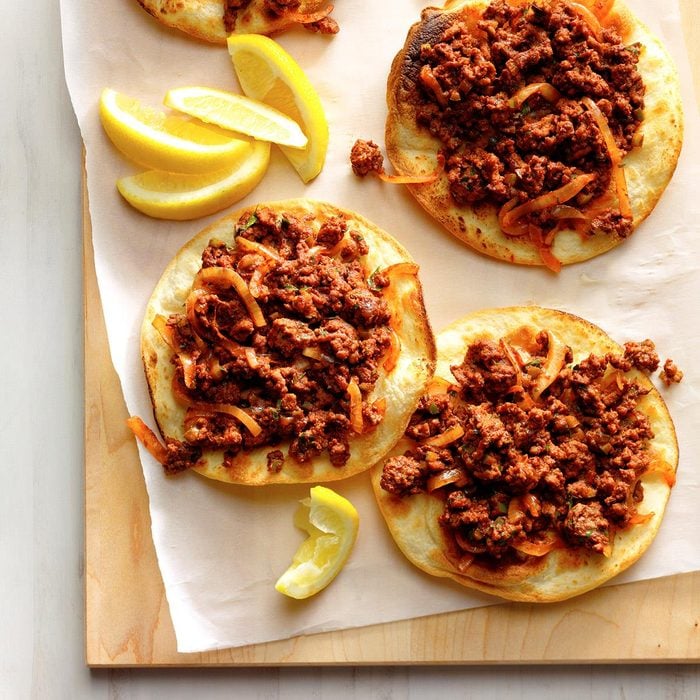
Lehmejun (Armenian Pizza)
From the Recipe Creator:
This pizza-style recipe came from my friend Ruby's mom, who is a crazy-good cook. I added my own flair and tweaked it by using flour tortillas instead of making a dough. —Tamar Yacoubian, Ketchum, Idaho
Nutrition Facts:
1 filled tortilla: 371 calories, 19g fat (7g saturated fat), 72mg cholesterol, 464mg sodium, 24g carbohydrate (3g sugars, 3g fiber), 24g protein.
37/40
Crab and Spinach Dip

From the Recipe Creator:
In Maryland, we stayed at a hotel that sent guests home with a crab dip recipe and a spice pouch. Now I’ve made my own dip that rekindles memories of that trip. —Kristina Wenner, Jamison, Pennsylvania
Nutrition Facts:
1/4 cup: 170 calories, 14g fat (8g saturated fat), 55mg cholesterol, 421mg sodium, 2g carbohydrate (1g sugars, 1g fiber), 9g protein.
38/40
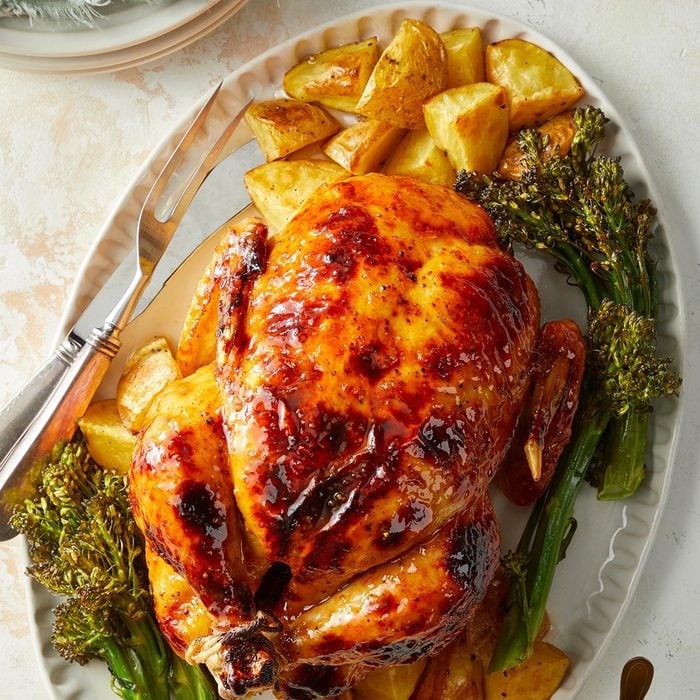
Glazed Roast Chicken
From the Recipe Creator:
I like to make this for weeknight dinners. You can make this roast chicken with apricot glaze or quince jelly. —Victoria Miller, San Ramon, California
Nutrition Facts:
1 serving: 437 calories, 17g fat (5g saturated fat), 104mg cholesterol, 458mg sodium, 35g carbohydrate (23g sugars, 0 fiber), 34g protein.
39/40
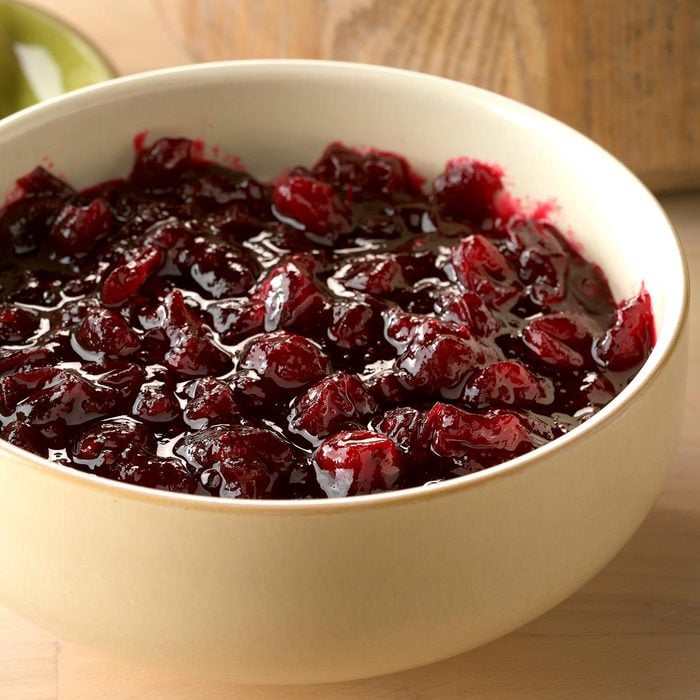
Red Wine Cranberry Sauce
From the Recipe Creator:
We were feeling festive when we started our holiday cooking, but a bottle of wine was a bit more than we wanted to drink. I added 1/2 cup to the cranberry sauce, in place of juice, and a new recipe was born! —Helen Nelander, Boulder Creek, California
Nutrition Facts:
1/4 cup: 122 calories, 0 fat (0 saturated fat), 0 cholesterol, 1mg sodium, 30g carbohydrate (27g sugars, 2g fiber), 0 protein.
40/40
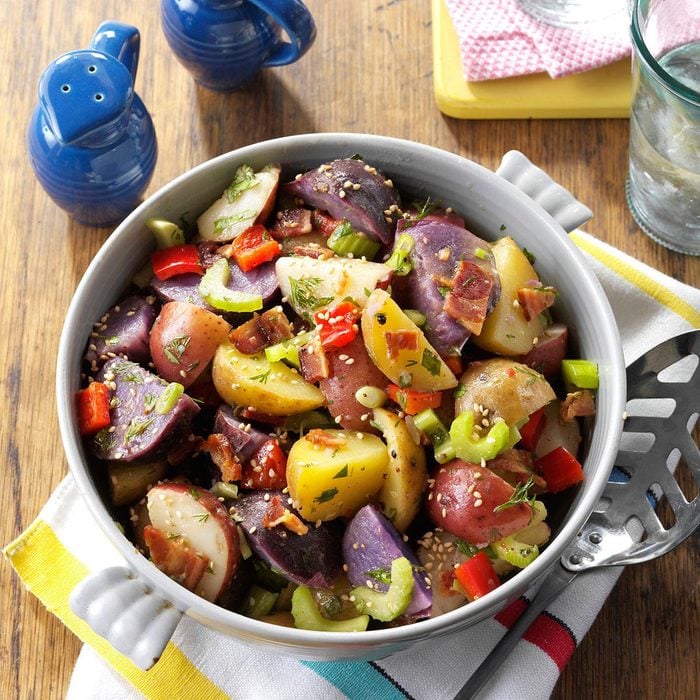
Red, White & Blue Potato Salad
From the Recipe Creator:
Tossing the cooked potatoes with stock and wine right after you drain them infuses them with flavor. The liquid absorbs like magic. —George Levinthal, Goleta, California
Nutrition Facts:
1 cup: 221 calories, 12g fat (2g saturated fat), 10mg cholesterol, 405mg sodium, 22g carbohydrate (2g sugars, 3g fiber), 7g protein. Diabetic Exchanges: 2 fat, 1-1/2 starch.
Recipes with Wine FAQ
What type of wine is best for cooking?
The best wine for cooking is one that you would want to drink a glass of and that pairs well with food. Dry, crisp and affordable white wines, like sauvignon blanc or pinot grigio, work well with poultry and seafood, while bold reds such as cabernet sauvignon or merlot bring richness to red meats and braised dishes. Sweet sparkling, rosé or dessert wines are great for fruit-forward desserts, where they add both sugar and acidity to the recipe.
Can I substitute cooking wine with regular wine?
Although cooking wine is an easy, alcohol-free option, it should be used in very small amounts. Cooking wine is saltier than regular wine and lacks acidity, so it can easily skew the taste of the dish if too much is used or it’s reduced too far. It’s a better option to buy a single-serve bottle or can of wine to use just for cooking. Or, if you don’t want alcohol in your house, try a nonalcoholic wine and then enjoy some with your meal.
Are there alcohol-free substitutes for wine in recipes?
Yes, there are several alcohol-free alternatives for wine, depending on the recipe. Try low-sodium vegetable broth mixed with a tablespoon or two of fresh lemon juice or white wine vinegar for white wine. Red wine can be replaced with unsweetened, diluted cranberry, grape or pomegranate juice with a touch of vinegar for acidity. These options work especially well in classic comfort food dinners like beef stew or pot roast, where wine is a background taste rather than the dominant flavor. Check the seasoning before serving because these substitutes might require a pinch of salt or sugar to balance the recipe.


