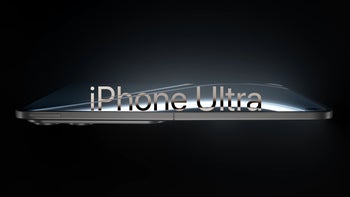
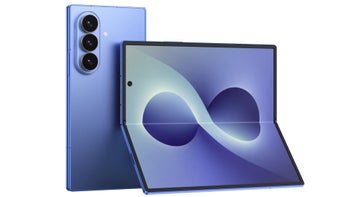
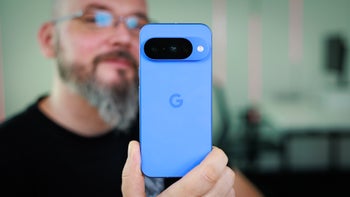
A recent report claimed that the foldable iPhone may be delayed and may not come in September, as was believed earlier. According to this report, the device may come in December.
One thing is (almost) certain: Apple is reportedly planning annual releases for its foldable device, aiming for top-tier hardware and a nearly invisible crease.
According to the well-known industry insider Ming-Chi Kuo, 3 to 5 million iPhone Fold phones are expected to ship in 2026 and 20 million (plus the second-generation iPhone Fold) in 2027.
In late 2025, according to some reports, Apple moved the iPhone Fold into the engineering verification and pre-production (EVT) stage.
It was then reported the foldable iPhone's pre-production timelines were perfectly on time for a fall release. The display for the foldable iPhone is expected to enter the mass production stage in July.
Meanwhile, Apple is said to have increased its initial orders for foldable displays from Samsung. The target was apparently increased to 20 million units (from 13 to 15 million), which suggests that Cupertino is feeling confident with the foldable.
Moreover, Samsung has started mass production for the displays for the foldable iPhone, apparently a bit earlier. We've also recently had a report indicating the phone has entered trial production. Apparently, test units may soon be in use by Apple employees.
As you can see, the potential release date of the first foldable iPhone is difficult to predict at the moment. At least we're now certain it exists, and it's coming.
Currently, the majority of rumors lead us to expect a Z Fold 7-like pricing for the foldable iPhone (or iPhone Ultra). Reportedly, we'll see $200 jumps for higher storage options.
So, if this information is accurate, you can expect the foldable iPhone to cost around $2,199 for the 512 GB version and $2,399 for the version with 1 TB.
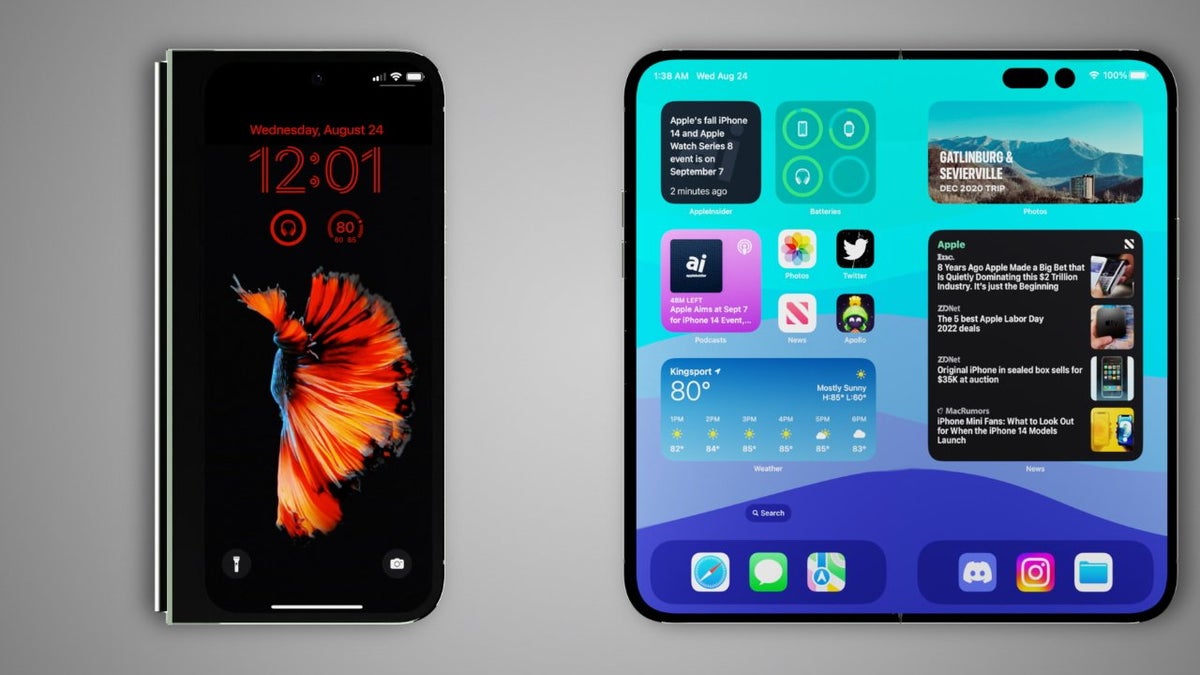
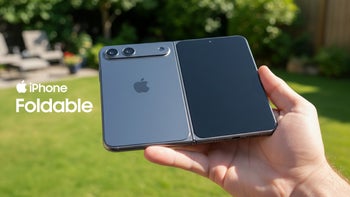
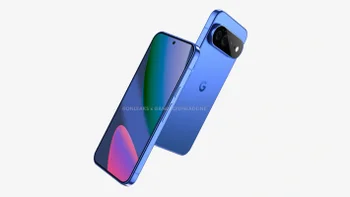
The foldable iPhone might be smaller and wider than other foldable phones on the market. It might look a lot like the Pixel Fold on the right. | Image by PhoneArena
The first foldable iPhone (or the iPhone Ultra) is expected to have a book-style foldable design but be wider than the Z Fold. It may have a wider aspect ratio, with a design more similar to the first-gen Pixel Fold.
However, unlike Google's foldable, the iPhone Fold is anticipated to have a more modern and elegant design. Apple might aim to avoid some of the things that Pixel fans have complained about, such as outdated design, thick bezels, or an excessive weight.
Some leaks claim Apple's first foldable iPhone may feature a 7.8-inch internal screen and a 5.5-inch external display. That would make its displays smaller than the Galaxy Z Fold 7's massive 8-inch main and 6.5-inch cover screens. Even the older Google Pixel 9 Pro Fold and the OnePlus Open would offer larger displays in both areas.
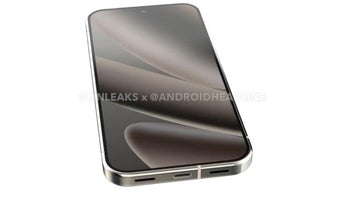
Leaked renders of what could be the foldable iPhone. | Image by Sonny Dickson
Sonny Dickson has a relatively good track record, so it's highly likely these renders are the real deal. All in all, the early rumors about the foldable having smaller screens may end up being true.
If this design is true, Apple's device would unfold looking more like a mini iPad.
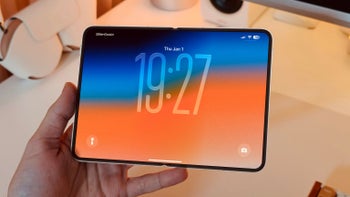
Another render of the foldable iPhone. | Image by IceUniverse
Dummy units of the iPhone 18 Pro Max, foldable iPhone, and iPhone 18 Pro. | Images by Images by Sonny Dickson
The phone is seen with a camera plateau similar to the iPhone Air. From the front, we see a section that may be for an under-display camera or even a Dynamic Island element. Of course, these are still dummy units, so the final product is likely to be way more refined. But the general idea is clear.
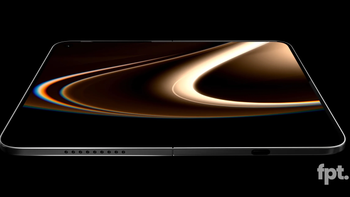
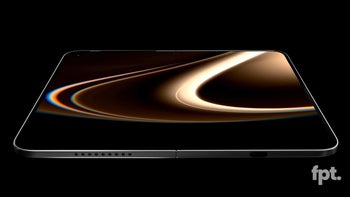
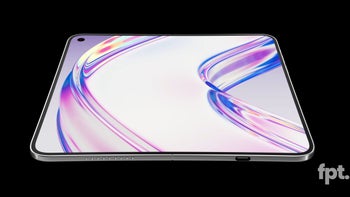
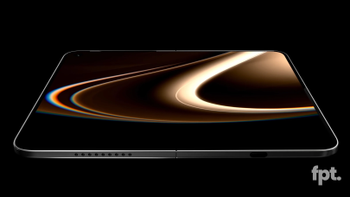
Renders of the iPhone Ultra, or the first foldable iPhone. | Images by Images by Fpt.
According to Jon Prosser of Fpt., the iPhone may be 9.5 mm thick when folded and 4.5 mm thick when unfolded (for reference, the Z Fold 7 is 4.2 mm thick when unfolded). So we're looking at a thin device.
So how thin will this new foldable iPhone be?
Model
Thickness (Folded)
Thickness (Unfolded)
Foldable iPhone*
9.5 mm*
4.5 mm*
Oppo Find N5
8.9 mm
4.2 mm
Pixel 10 Pro Fold
10.8 mm
5.2 mm
* - expected.
The Galaxy Z Fold 7 and its 8.9 mm (folded) and 4.2 mm (unfolded) numbers could outdo it on paper, but in real life, Apple's foldable will surely feel thin and elegant.
Meanwhile, another rumor claims that Apple may use UTG with an exceptional thinness for the display (more on the display later) and a less-visible crease. The company is also said to have moved away from a more expensive hinge technology it previously considered to keep the costs down.
Rumor has it that Cupertino is now going to use a 3D-printed titanium hinge for the device. A special "filler" material may have been used for tiny gaps in the hinge that could be due to the 3D-printed parts (instead of going for expensive precision machining).
However, it's important to note that with only UTG for the glass, the durability of the foldable iPhone may not be on par with other foldable phones on the market, which use a hybrid glass solution.
Durability remains a critical concern for foldable phones, especially at premium price points. Analyst Jeff Pu expects the foldable iPhone to feature a hybrid frame made of titanium and aluminum, contrasting earlier reports that suggested a stainless steel and titanium hinge with a full titanium casing.
Bloomberg previously described the design as resembling two titanium iPhone Air models joined side by side, adding to speculation about Apple's final material choice.
Foldable iPhone display
These are the expected sizes for the foldable iPhone displays:
7.8-inch inner display
5.5-inch outer display
The internal screen may be produced by Samsung. Some rumors claim LG Display may also be one of the suppliers involved, with Samsung Display being the primary one. Apple would be responsible for the panel structure, material processing, and laminated pressing method.
Now, onto the crease situation.
Initially, it was believed Apple was late to the foldable party because it wanted no crease on its phone whatsoever. The company apparently saw removing the crease as the key feature that would set its device apart.
To achieve that ambition, Apple may have considered an expensive hinge technology initially.
Unfortunately, even that tech may not have been able to fully get rid of the crease. A newer rumor giving us details about the foldable iPhone's display indicates that despite the display and hinge of the phone being some of the most advanced in the industry, there may still be some crease left.
According to the report, the crease is said to be below 0.15 mm, and the crease angle is said to be less than 2.5 degrees.
For reference, the Galaxy Z Fold 7's crease depth is around 0.7 mm or less, but not lower than the rumored one for the iPhone. The crease angle on the Fold is said to be around 3-4 degrees, although it's difficult to confirm.
As you can see, judging by these numbers, the foldable iPhone may still rock a less-visible crease than the Fold 7. However, Apple's dream of a fully creaseless foldable was apparently far too expensive to come to fruition.
Basically, this tech would allow for a more flexible (less durable) display with a crease that's easier to hide because of the flexibility.
The report also claims Cupertino is using "self-healing" glass technology that's aimed at smoothing out minor scratches and stress marks over time.
Reports also suggest the foldable iPhone's display may feature CoE technology. It would allow the screen to be noticeably thinner and more power-efficient by integrating the color filter directly into the OLED's encapsulation layer instead of having it on top as an extra film.
A report from Ming-Chi Kuo says that the foldable iPhone may only have a dual rear camera system, though. So, at this point, we don't expect something like the triple cameras on the iPhone Pro and Pro Max models.
That means we can expect the following for the foldable iPhone:
Main camera, likely a 48 MP sensor
Ultra-wide camera, likely a 48 MP sensor
If the foldable iPhone only has two cameras, chances are the telephoto camera will be dropped. That means you won't get as good a zoom quality as on other foldable phones. In comparison, you do get a 5X telephoto lens on the Pixel 9 Pro Fold, so if Apple does not have that lens, that would be a considerable downside.
Under-display selfie camera?
Numerous early reports mentioned the foldable iPhone sporting an under-display selfie camera on the inner display. For context, Samsung's Galaxy Fold series has been using an "invisible" under-display selfie camera ever since the Fold 4 but ditched that with the Galaxy Z Fold 7.
However, those reports were likely false. Newer ones indicate that the Cupertino giant may have decided the quality of the images from an under-display camera may not be up to standards. Apple may have instead chosen to feature a punch-hole design for the selfie cameras on both internal and external displays.
The Dynamic Island would be gone (after all, the foldable iPhone is not expected to come with Face ID), but apps and notifications may span out of the punch-hole similarly.
Foldable iPhone storage
The foldable iPhone is said to start at 256 GB of storage. We have seen many foldable phones from other brands also offer at least 256 GB of storage on their book-style foldables.
And in 2026, it's unreasonable to expect a storage option with just 128 GB anyway, so there's that.
iPhone Fold expected storage options:
12 GB RAM + 256 GB storage
12 GB RAM + 512 GB storage
12 GB RAM + 1 TB storage
Foldable iPhone battery
Details about the foldable iPhone's battery capacity have emerged, suggesting it may have a battery capacity between 5,000 mAh and 5,500 mAh.
Apple is most likely prioritizing energy efficiency, including the use of more power-efficient display components, to extend battery life instead of simply increasing the battery size.
This is actually wonderful, given that iPhones typically have smaller batteries than Android phones:
Foldable phone
Battery size
iPhone Fold
5,000—5,500 mAh or even 5,800 mAh*
Samsung Galaxy Z Fold 7
~4,400 mAh
Oppo Find N5
5,600 mAh
Honor Magic V5
6,100 mAh
* - expected
That's a clear win over the Z Fold 7, so maybe Samsung will up the mAh numbers for the Galaxy Z Fold 8?
Meanwhile, Jon Prosser from Front Page Tech has recently claimed an even bigger number for this iPhone's battery: 5,800 mAh. That sounds pretty generous, and to be fair, a little eyebrow-raising. Not because Apple can't do that. But because Apple is not known to equip its phones with the hugest batteries out there.
If this report is true, this foldable iPhone Ultra may beat the Galaxy Z TriFold with its notable 5,600 mAh and may get close to the Honor Magic V5. We'll have to wait and see if this rumor pans out.
Foldable iPhone features and software
Apple's upcoming foldable iPhone is likely to run to run iOS 27. Reportedly, we're looking at a version tailored to foldable phones.
A new report states Apple may redesign iOS for foldables, making it look more like iPadOS. The report insists we're not seeing a full iPadOS experience. Reportedly, the foldable iPhone won't support iPad apps, but iOS apps may be redesigned to feature a layout similar to iPad apps.
Bars may be introduced to some iPhone apps, and these will be visible only on the internal display, while the cover screen's apps will look just like traditional iPhone apps.
As for multitasking, the same report claims that the experience may be similar to the iPad but, unfortunately, not as sophisticated or complex. Apps would be able to run side by side on the internal display, but that may be it in terms of multitasking abilities.
iOS 27 is supposed to also bring a new Siri that, according to some reports, may also be available as a standalone app. The personal assistant is said to also gain contextual awareness with iOS 27 and be able to handle tasks inside other apps.
Foldable iPhone hardware and specs
Foldable iPhone's specs:
CPU: Apple's A20 Pro (2nm)
RAM: 12 GB
Battery: 5,000 - 5,500 mAh
Charging: unknown
Storage: 256, 512 GB, potentially 1TB
Camera setup: 48 MP main, 48 MP ultra-wide
Rumor has it the foldable iPhone may feature the 2nm-built A20 Pro chipset. The processor is set to be up to 15% faster and 30% more power efficient compared to the A19.
The company is also expected to adopt new WMCM packaging technology, allowing RAM to be integrated directly with the CPU, GPU, and Neural Engine for even faster processing.
You should wait for the iPhone Fold if you're not happy with the current foldable phone design and form factors. You should also wait if you love iOS and want to have that experience rather than Android on a foldable phone.
You should not wait for the iPhone Fold ifyou think current foldable phones are already good. The iPhone will be slightly different, which you may not like if you already like the current form factors. Also, if you don't want a foldable phone.
Sebastian, a veteran of a tech writer with over 15 years of experience in media and marketing, blends his lifelong fascination with writing and technology to provide valuable insights into the realm of mobile devices. Embracing the evolution from PCs to smartphones, he harbors a special appreciation for the Google Pixel line due to their superior camera capabilities. Known for his engaging storytelling style, sprinkled with rich literary and film references, Sebastian critically explores the impact of technology on society, while also perpetually seeking out the next great tech deal, making him a distinct and relatable voice in the tech world.