Rumored Galaxy S26 Ultra feature is so genius that Apple has decided to copy it
The phone's privacy display tech has reportedly influenced Apple's product strategy.
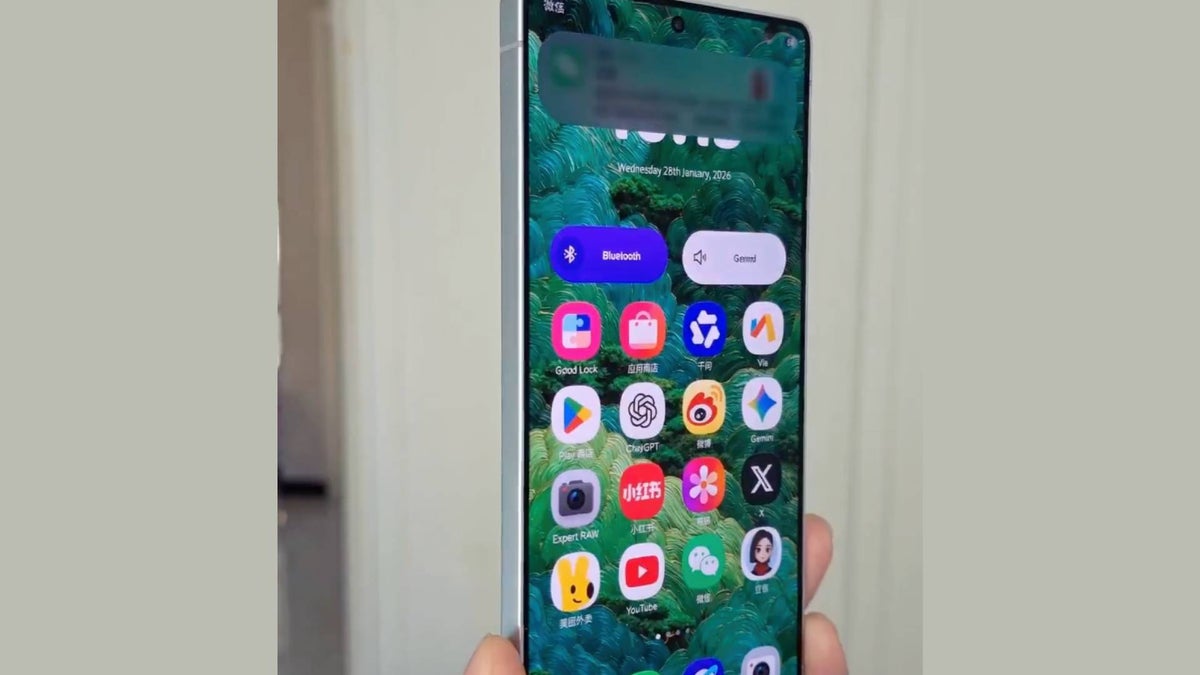
A conceptual rendition of the Galaxy S26 Ultra 's privacy display feature. | Image by Ice Universe
Every once in a while, a company introduces a feature so iconic that rivals have no choice but to follow suit. While the upcoming Galaxy S26 Ultra may not deliver the battery or camera upgrades fans were hoping for, it will reportedly boast a game-changing privacy display. Apple is reportedly keeping a close watch and may even adopt the tech in the future.
Solving a nuisance

The Galaxy S26 Ultra's rumored privacy display has caught Apple's attention. | Image by Ice Universe
The privacy display feature will leverage a blend of screen tech and AI to obscure screen content from anyone viewing the device at an angle. This will prevent snoopers from viewing what's on the screen, giving you peace of mind that your texts, financial apps, images, and other elements aren't visible to anyone.
Already making waves
For the Galaxy S26 Ultra's display feature to have made a mark on Apple is a good sign. Apple isn't necessarily easily impressed and takes a long time to bring features introduced by other phone makers to its lineup. The notch and the always-on display are some recent examples.
Do you plan to buy the Galaxy S26 Ultra for the privacy display?
No, not compelling-enough.
40.34%
I might.
19.31%
Yes.
40.34%
A true selling point?
While the Galaxy S26 Ultra's privacy screen tool sure sounds impressive, only time will tell if it will actually move the needle for customers. Granted, in our hypermobile world we don't always have a private corner to retreat to when handling sensitive information such as passwords or secretive messages, but few people would want to buy the device for this feature alone. It's still a very practical feature, and could very well become what the Galaxy S26 Ultra is known for.

Follow us on Google News

Popular stories

Latest News
Things that are NOT allowed:
To help keep our community safe and free from spam, we apply temporary limits to newly created accounts: