Choosing a mobile carrier can be tricky with so many options out there. T-Mobile and AT&T are two of the biggest names in the game, each offering plenty of plans and perks to match different lifestyles.
Still, even with both being industry giants, it is fair to ask – which one really fits you better? In this article, we will break down what each carrier does best, so you can decide which one makes the most sense for your needs.
As with any good comparison, it's time to break down the pros and cons. Round one of AT&T vs T-Mobile starts now, where we will quickly dive into each carrier's strengths and weaknesses.
AT&T pros:
Great nationwide coverage, even in rural areas.
Various unlimited plans with flexible options for data, hotspots, and streaming.
Large customer service network, though satisfaction can vary.
Free international texting on some plans.
Access to AT&T Wi-Fi hotspots.
AT&T cons:
Slower 5G speeds compared to T-Mobile in some areas.
T-Mobile pros:
Strong coverage in urban and suburban areas.
Faster 5G speeds in many locations, especially in cities.
Improved customer service recently, but experiences can still differ.
Perks like free Netflix and discounted wireless home internet.
Known for more affordable plans, especially for families.
T-Mobile cons:
Less reliable in rural areas.
Family plans often require all lines to be on the same plan, limiting flexibility.
Network congestion can slow speeds and cause dropped calls, especially in crowded areas during peak times.
Pricing and plans comparison
Before we jump into comparing AT&T vs T-Mobile plans, here's something important to keep in mind: pricing and plans can change over time. It's always a good idea to check the latest offers on each carrier's website or get in touch with them directly for the most up-to-date info.
Recommended For You
T-Mobile's single-line Essentials plan starts at $60 with 50 GB of premium data, and the Experience Beyond plan is $100 per month.
AT&T has done some revamping of its plans, and now the cheapest one is AT&T Value 2.0, which has 5 GB high-speed data. AT&T's truly unlimited data plan is the AT&T Premium 2.0, which costs $90 for a line.
AT&T is now offering more for less money, which wasn't the landscape previously. It's still cheaper at the premium level, as it was before.
And, as always, the more lines you add, the lower the price per line gets.
Plan
Price
Data
Hotspot
Perks
AT&T Value 2.0
$50/mo. per line
Unlimited talk, text and data + 5 GB of high speed data
3 GB hotspot data per month
AT&T ActiveArmor mobile security
AT&T Extra 2.0
$70/mo. per line
Unlimited talk, text, 4G/5G data, plus 100 GB premium data
50 GB hotspot data for month
AT&T ActiveArmor mobile security
AT&T Premium 2.0
$90/mo. per line
Unlimited talk, text, and high-speed data that can’t slow down based on how much you use
100 GB hotspot data
AT&T 5G with 4K UHD streaming, AT&T ActiveArmor, get 50% off a tablet or wearable per Premium 2.0 phone line
T-Mobile Essentials
$60/mo. per line
Unlimited talk, text and 4G/5G data, plus 50 GB premium data
Unlimited 3G hotspot
Data at up to 128Kbps in Canada and Mexico, Wi-Fi calling available, 480p standard streaming
T-Mobile Experience More
$85/mo. per line
Unlimited talk, text and 4G/5G data, plus unlimited premium data
60 GB of high-speed mobile hotspot data
5-Year Price Guarantee, Netflix Standard with ads ON US, Apple TV+ ON US, Unlimited text, 15GB of high-speed data in Canada & Mexico, Unlimited text, 5GB of high-speed data in 215+ countries & destinations
T-Mobile Experience Beyond
$100/mo. per line
Unlimited talk, text, 5G/4G data, plus unlimited premium data
Unlimited mobile hotspot included (250GB of high-speed, then unlimited at 600Kbps)
5-Year Price Guarantee, Upgrade-ready every year, T-Satellite included, Netflix Standard with ads ON US, Apple TV+ ON US, Hulu ON US, Watch & tablet lines just $5/month, Unlimited talk & text and up to 30GB high-speed data in Canada & Mexico, then unlimited data at up to 256Kbps in Canada & Mexico, Unlimited text and up to 15GB of high-speed data, then unlimited data at up to 256Kbps in 215+ countries and destinations, Full-flight texting and Wi-Fi with streaming where available
T-Mobile and AT&T both support nearly the same range of devices, including the latest and greatest from Apple, Samsung, Google and more.
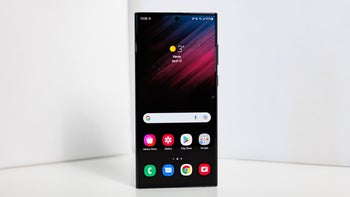
You can get the Galaxy S25 series and the Galaxy S26 series, all the new iPhone 17 models, or the Pixel 10 series with selected plans. Also, the latest Galaxy Z Fold 7 and Galaxy Z Flip 7 are on the table – if your wallet can handle it. While both carriers offer budget-friendly phones, the deals they offer for these devices can differ.
However, overall, T-Mobile gives you more phone options, not just through them, but also phones that work on their network. Most unlocked phones will work on T-Mobile.
Plus, it's great that both AT&T and T-Mobile offer trade-in programs. AT&T's trade-in program lets you turn in your old phone or other devices for credit, either as a discount on a new device or as part of a promotion. The value depends on the phone's condition – newer and well-kept devices get higher credit, while older or worn-out ones may get less. In some cases, a device might not be worth anything.
T-Mobile has a similar trade-in policy, accepting phones in any condition, whether they work or not. The credit you get will vary, and some devices might not qualify for any trade-in value.
Both carriers often run deals where you can get a phone for "free" – but there's always a catch. With an eligible trade-in and a new line, you could get a major discount, sometimes covering nearly the full cost of a new phone. However, you'll still be paying for it in some way, whether through monthly plans or other conditions.
Also, to find more about the best phone deals you can get at each carrier, check out:
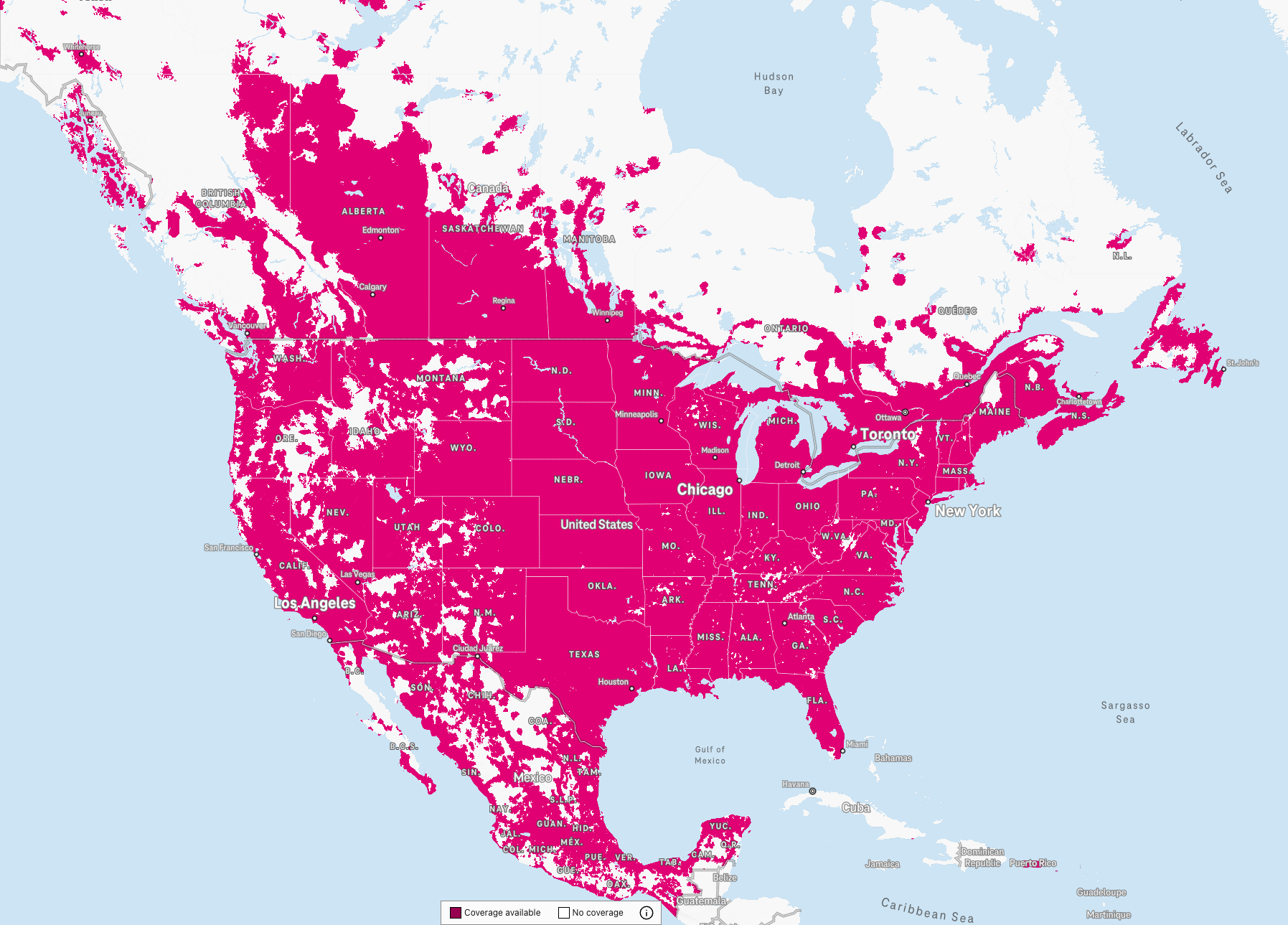
On the flip side, in the T-Mobile 5G vs AT&T 5G race, T-Mobile is pushing ahead in the 5G space, reaching most parts of the country with its 5G network, which means faster speeds and more reliable connections where it's available. AT&T's 5G coverage is also solid, but it's lagging behind T-Mobile in this area.
T-Mobile also has the edge in terms of speed: its average 4G download speed hits 79.5Mbps, while AT&T only reaches 38.2Mbps. For 5G, T-Mobile blows AT&T out of the water with an average of 186.3Mbps, while AT&T stands at 71.1Mbps.
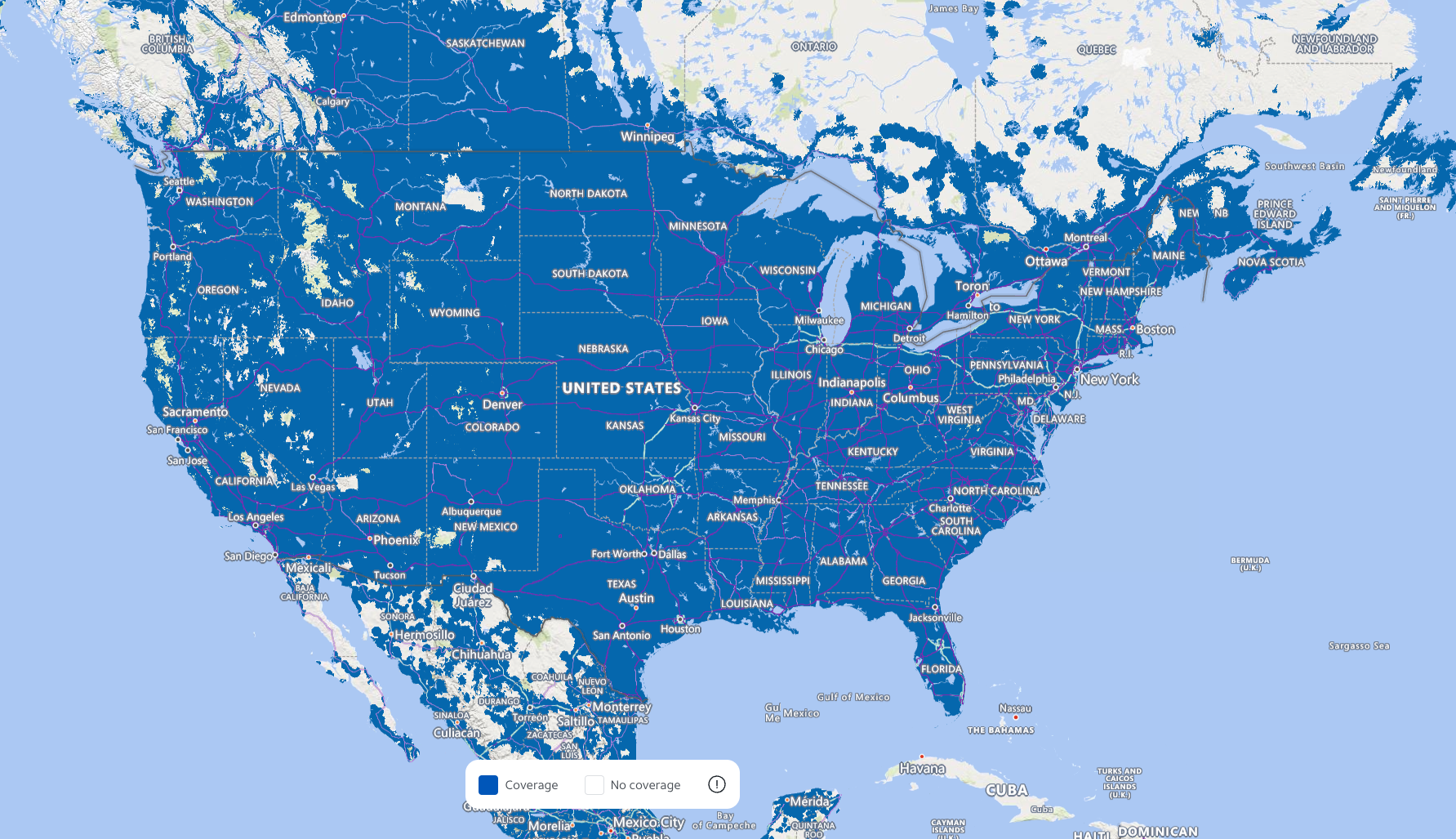
While AT&T historically has stronger coverage in rural areas, T-Mobile has caught up in urban areas and suburbs. Ultimately, since both carriers offer similar plans and pricing, your decision will likely come down to which network works best where you live.
Plus, it is good to know that T-Mobile and AT&T both offer international coverage and each has its strengths. T-Mobile tends to have more affordable roaming options, especially for data. On the other hand, AT&T offers wider international coverage and works in more countries, but it can be more expensive, particularly for heavy data users.
And hey, if you are still unsure which carrier suits you best, our comparisons of Verizon vs AT&T and T-Mobile vs Verizon can help you figure it out!
Network performance
T-Mobile has a wide 5G coverage. | Image by Image credit – T-Mobile
If speed and widespread 5G coverage are what you're after, T-Mobile is a solid pick. For better coverage in rural areas, though, AT&T might be the way to go.
T-Mobile has led the charge in 5G technology, delivering extensive coverage and standout speeds, especially in cities. Its heavy investment in 5G infrastructure is clearly paying off.
AT&T's 5G network, while not as expansive as T-Mobile's, is also growing. The company continues to invest in network expansion, improving its reach over time.
On the other hand, if 5G isn't a top priority for you, AT&T's 4G LTE network offers strong performance with reliable coverage and speeds across most regions. T-Mobile also holds its own in the 4G LTE space, providing solid coverage and speeds in many areas.
AT&T vs T-Mobile: Who has better features and perks
When choosing a mobile carrier, reliable coverage is essential, but it's just the starting point, especially in our mobile era. With most major carriers offering similar services in many places, perks and discounts are where they really try to shine.
AT&T, however, has shifted away from third-party streaming perks recently. Instead, it focuses on utility: its Premium 2.0 plan offers 100 GB of hotspot data and a 50% discount on a tablet or wearable. T-Mobile, on the other hand, leans heavily into entertainment. For streaming fans, T-Mobile's Experience More and Experience Beyond plans include a Netflix and Apple TV subscription. The specifics depend on your plan and the number of lines. With Experience Beyond , you get Netflix Standard with ads, Apple TV+, and Hulu.
Plus, with the highest tier, you also get free satellite connection with T-Satellite.
Both carriers also compete hard on discounts. Whether you're trading in your old device or eyeing flagship phones from Apple, Google, or Samsung, AT&T and T-Mobile frequently roll out free phone offers.
Customer service
Oh, boy, this is where things can get really tricky with both carriers. T-Mobile’s support reputation is a bit of a mixed bag. Some customers rave about the helpfulness and quick responses, while others share tales of long waits, unresolved issues, and inconsistent service quality.
However, you can contact T-Mobile through multiple channels, including phone, online chat, social media, and in-store visits. They also offer self-service tools like online account management, troubleshooting guides, and automated systems, which are great for straightforward problems.
AT&T isn’t much different in this regard. Its customer service also swings between excellent and frustrating depending on who you ask. Like T-Mobile, AT&T provides support through phone, online chat, social media, and in-store visits, along with self-service options for simple tasks.
But let’s be real – whether it’s T-Mobile or AT&T, the quality of service often depends on the rep, the complexity of the issue, and even the time of day. Long wait times and inconsistent experiences can pop up with either carrier, especially for more complicated problems.
In the end, both have knowledgeable reps and plenty of ways to reach out, but patience is your best friend when navigating customer service. Sometimes, it’s just about hanging in there to get the job done.
T-Mobile or AT&T: Which carrier should you choose?
When it comes to picking between T-Mobile and AT&T, the right choice really depends on your personal needs, as both carriers have their own set of strengths and weaknesses.
If price and perks are your top priorities, T-Mobile is the better option, but if you are not looking for a single line. The Un-carrier is not the cheapest anymore. Its plans are generally cheaper for families or multiple lines. T-Mobile’s premium plans also deliver more data at a lower cost and include perks like bundled streaming services. You’ll also benefit from faster speeds, true unlimited data, generous high-speed hotspot allowances, and excellent 5G coverage – particularly in urban areas. However, T-Mobile can be less reliable in rural regions.
On the other hand, if coverage is your main concern, AT&T might be the better fit. Its broader network, especially in rural areas, is supported by robust 4G LTE coverage. That said, AT&T’s plans are pricier for families and multiple lines, its 5G speeds lag behind T-Mobile’s, and you might face data caps or deprioritization during peak times.
Ultimately, weigh your needs – whether it’s price, perks, speed, or coverage – to find the carrier that best suits you.
Tsveta, a passionate technology enthusiast and accomplished playwright, combines her love for mobile technologies and writing to explore and reveal the transformative power of tech. From being an early follower of PhoneArena to relying exclusively on her smartphone for photography, she embraces the immense capabilities of compact devices in our daily lives. With a Journalism degree and an explorative spirit, Tsveta not only provides expert insights into the world of gadgets and smartphones but also shares a unique perspective shaped by her diverse interests in travel, culture, and visual storytelling.
A discussion is a place, where people can voice their opinion, no matter if it
is positive, neutral or negative. However, when posting, one must stay true to the topic, and not just share some
random thoughts, which are not directly related to the matter.
Things that are NOT allowed:
Off-topic talk - you must stick to the subject of discussion
Offensive, hate speech - if you want to say something, say it politely
Spam/Advertisements - these posts are deleted
Multiple accounts - one person can have only one account
Impersonations and offensive nicknames - these accounts get banned
To help keep our community safe and free from spam, we apply temporary limits to newly created accounts:
New accounts created within the last 24 hours may experience restrictions on how frequently they can
post or comment.
These limits are in place as a precaution and will automatically lift.
Moderation is done by humans. We try to be as objective as possible and moderate with zero bias. If you think a
post should be moderated - please, report it.
Have a question about the rules or why you have been moderated/limited/banned? Please,
contact us.









Things that are NOT allowed:
To help keep our community safe and free from spam, we apply temporary limits to newly created accounts: