Phone security is a growing concern in 2026. | Image by franckinjapan/Unsplash
Your iPhone's biggest security threat in 2026 isn't some futuristic hack. It's a fake login page that looks exactly like Apple's, and hired hackers are counting on you not noticing the difference.
Hackers used fake Apple pages to break into iCloud backups
Three cybersecurity organizations recently pulled back the curtain on a years-long hacking campaign targeting journalists, activists, and officials across the Middle East, North Africa, and potentially the US and UK. A new report traces the operation back to a hack-for-hire group with ties to an Indian surveillance company.
Recommended For You
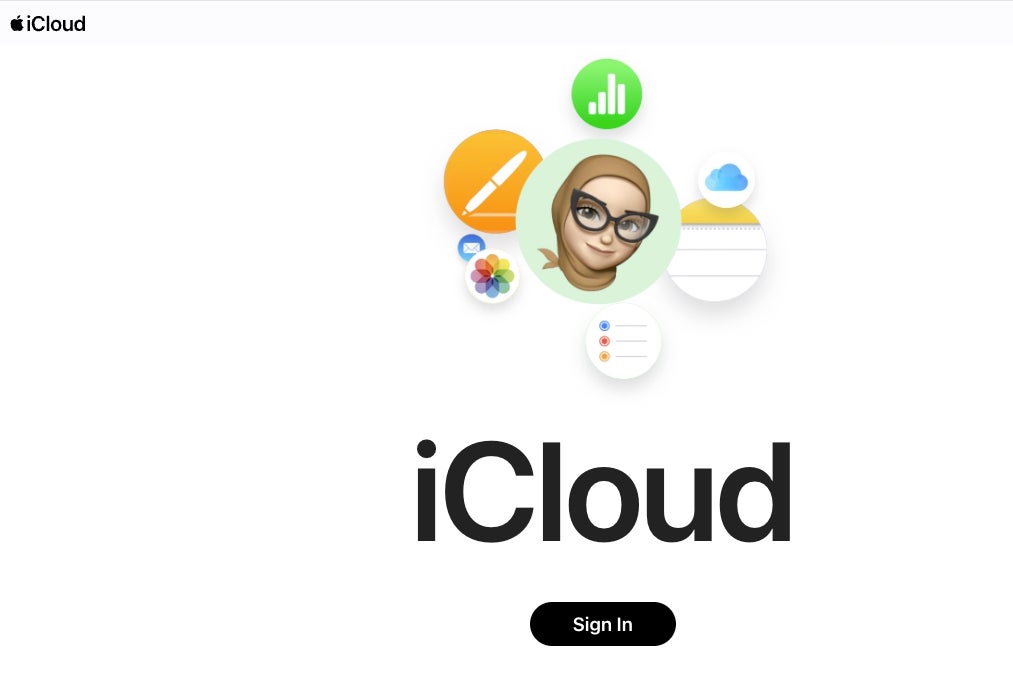
The technique was surprisingly low-tech, though. Attackers built fake Apple login pages to steal Apple ID credentials, giving them full access to victims' iCloud backups: photos, messages, contacts, everything. Researchers found nearly 1,500 fake web addresses impersonating iCloud, FaceTime, and Apple sign-in pages.
Login pages almost identical to the iCloud login page are created to fool victims. | Image by Apple
Android users weren't safe either
On the Android side, attackers used spyware called ProSpy, disguised as popular apps like Signal, WhatsApp, and Zoom. Once installed, ProSpy could quietly monitor messages, access the microphone and camera, and track the device.
No fancy exploits, no million-dollar spyware tools. Just convincing fake pages and phony apps that prey on a moment of inattention, and that's what makes this so unsettling.
Recommended For You
What's your go-to move when you get a suspicious text or email asking you to log in?
Why this matters to every phone owner
While this campaign focused on high-profile targets, the playbook trickles down to everyday scams fast. Hack-for-hire groups are reportedly cheaper than commercial spyware, meaning outsourced hacking like this is only becoming more common. We've covered similar phishing threats before, and they keep working because people keep falling for them.
It should be noted that this exposes something people don't like hearing: iCloud's encryption and Apple's privacy marketing don't protect you if you type your password into a fake page. The weakest link in your phone's security has always been you. Turn on two-factor authentication for your Apple ID and Google account if you haven't, and never click login links from unexpected texts or emails.
Fake login pages remain the most dangerous weapon against your phone
I'll be honest, it's frustrating that we're still having this conversation in 2026. Apple and Google have poured billions into device security, yet a well-crafted fake webpage remains the most effective attack out there. Don't panic, but stay skeptical. If an unexpected message asks for your login info, treat it as suspicious, because your phone is only as secure as your ability to spot a fake.
Johanna 'Jojo the Techie' is a skilled mobile technology expert with over 15 years of hands-on experience, specializing in the Google ecosystem and Pixel devices. Known for her user-friendly approach, she leverages her vast tech support background to provide accessible and insightful coverage on latest technology trends. As a recognized thought leader and former member of #TeamPixel, Johanna ensures she stays at the forefront of Google services and products, making her a reliable source for all things Pixel and ChromeOS.
A discussion is a place, where people can voice their opinion, no matter if it
is positive, neutral or negative. However, when posting, one must stay true to the topic, and not just share some
random thoughts, which are not directly related to the matter.
Things that are NOT allowed:
Off-topic talk - you must stick to the subject of discussion
Offensive, hate speech - if you want to say something, say it politely
Spam/Advertisements - these posts are deleted
Multiple accounts - one person can have only one account
Impersonations and offensive nicknames - these accounts get banned
To help keep our community safe and free from spam, we apply temporary limits to newly created accounts:
New accounts created within the last 24 hours may experience restrictions on how frequently they can
post or comment.
These limits are in place as a precaution and will automatically lift.
Moderation is done by humans. We try to be as objective as possible and moderate with zero bias. If you think a
post should be moderated - please, report it.
Have a question about the rules or why you have been moderated/limited/banned? Please,
contact us.










Things that are NOT allowed:
To help keep our community safe and free from spam, we apply temporary limits to newly created accounts: