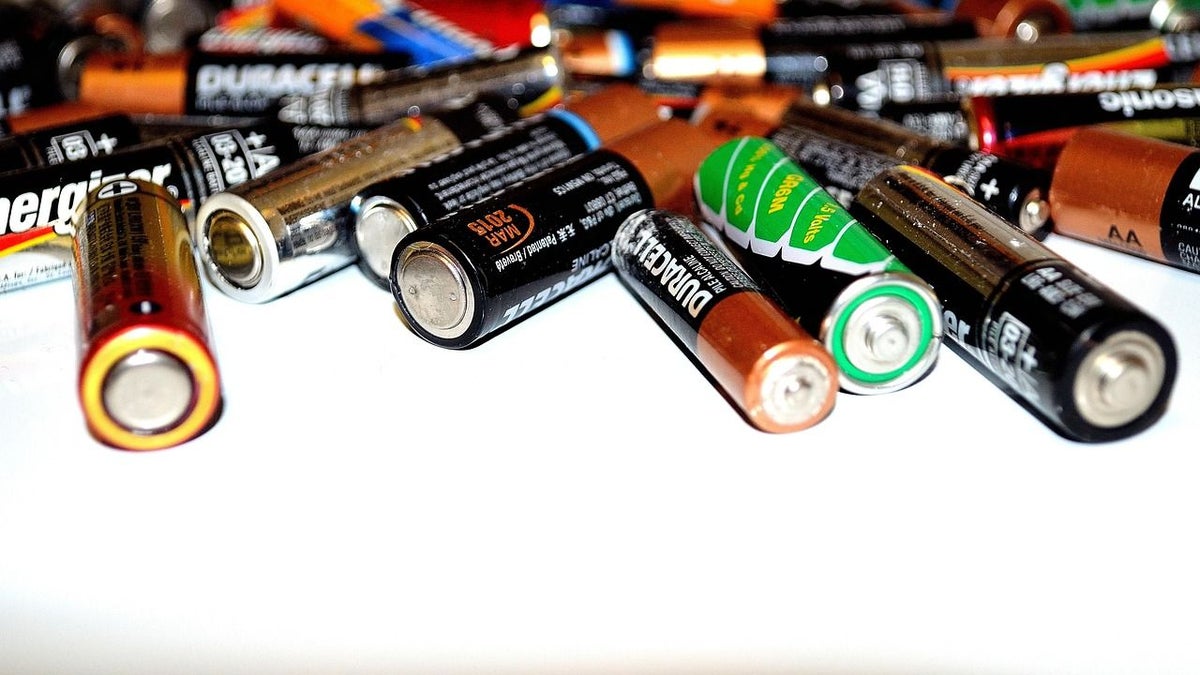
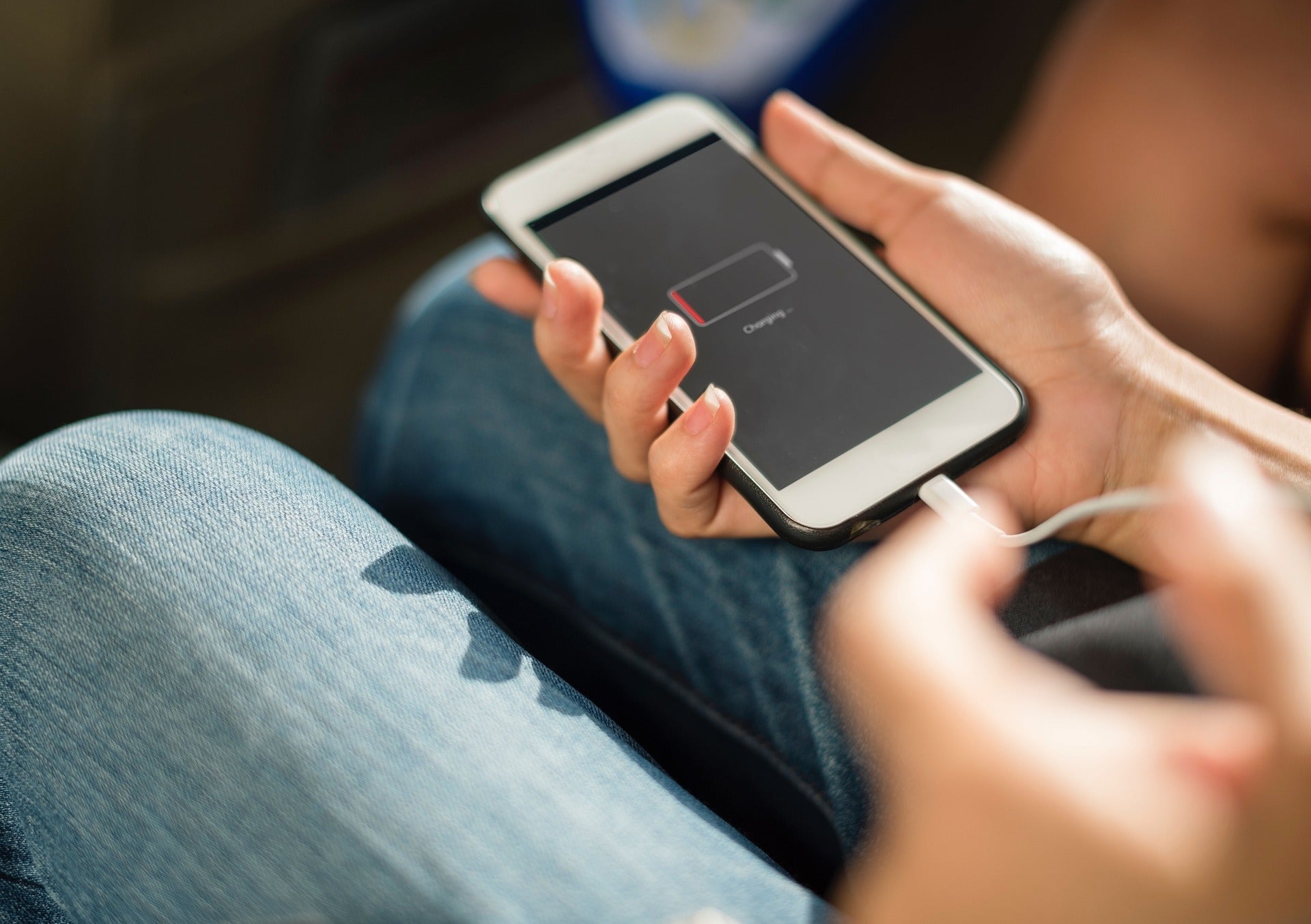
Taking the anode out of the equation can actually improve the battery capacity! | Image by PixaBay
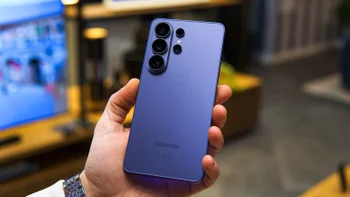
You tell me that your Galaxy S26 Ultra can last two full days on a single charge? What if I told you that a new type of battery can double this without any drawbacks?
Well, the "drawback" part is a bit of a stretch, as this technology is still in a prototype phase, which means the real drawback is it's nowhere near mass production, but it holds a lot of promise.
And the most interesting part is that it has no anode! Let's dive in and see what this new battery is, and is there a chance to see it inside smartphones anytime soon?
Recommended For You
What is a battery and how does it work?
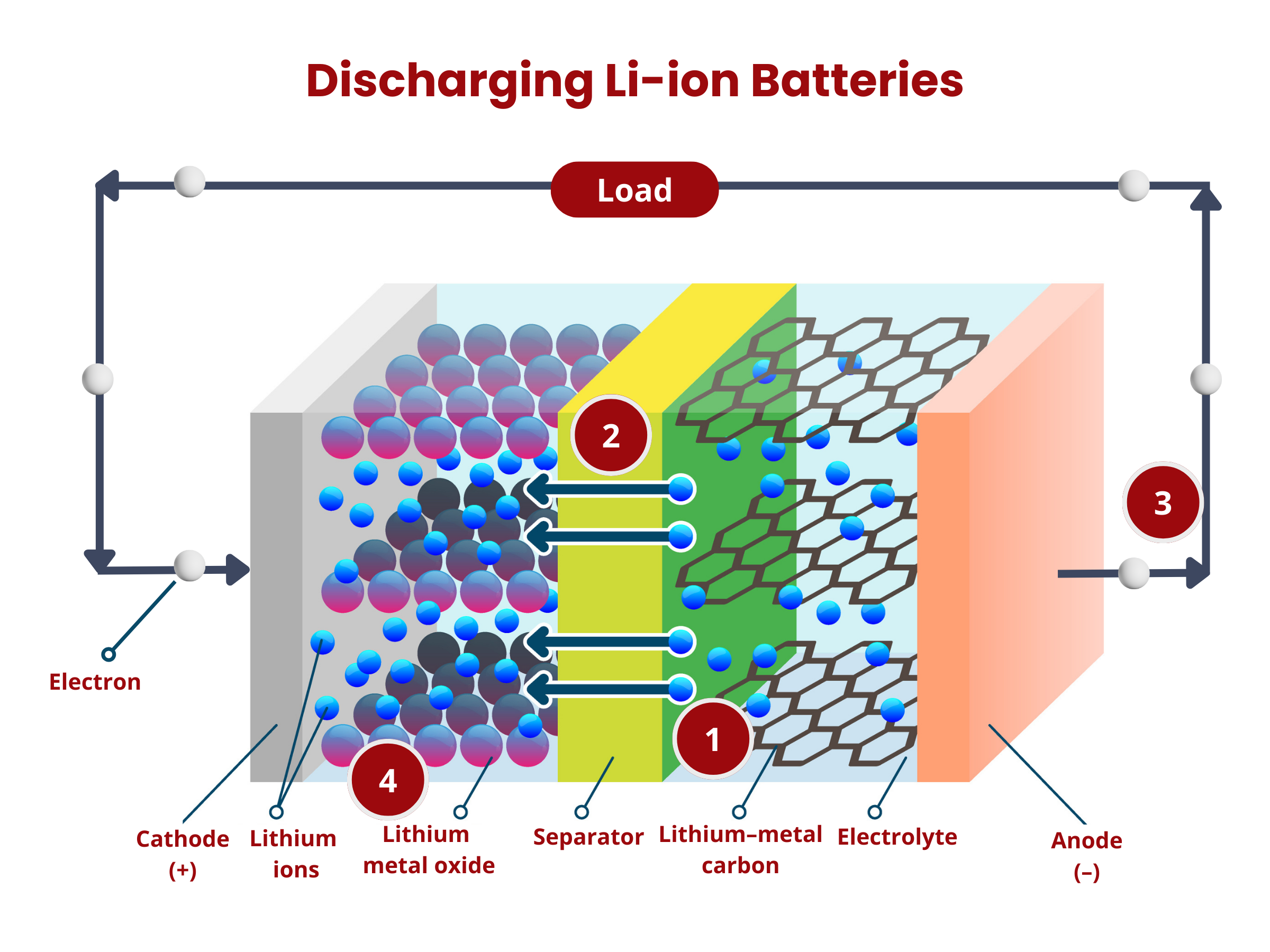
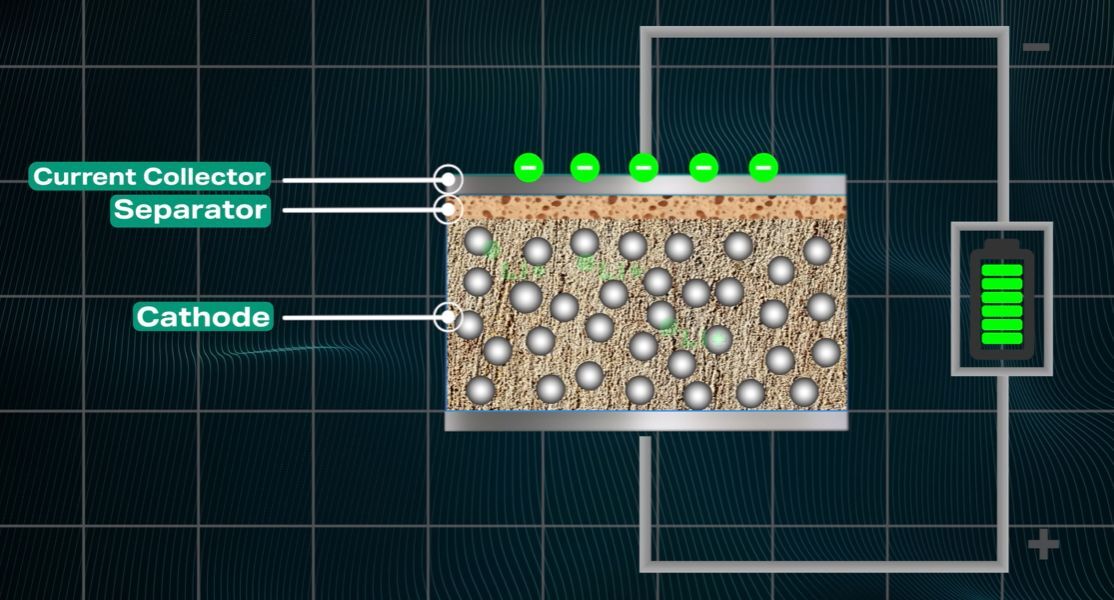
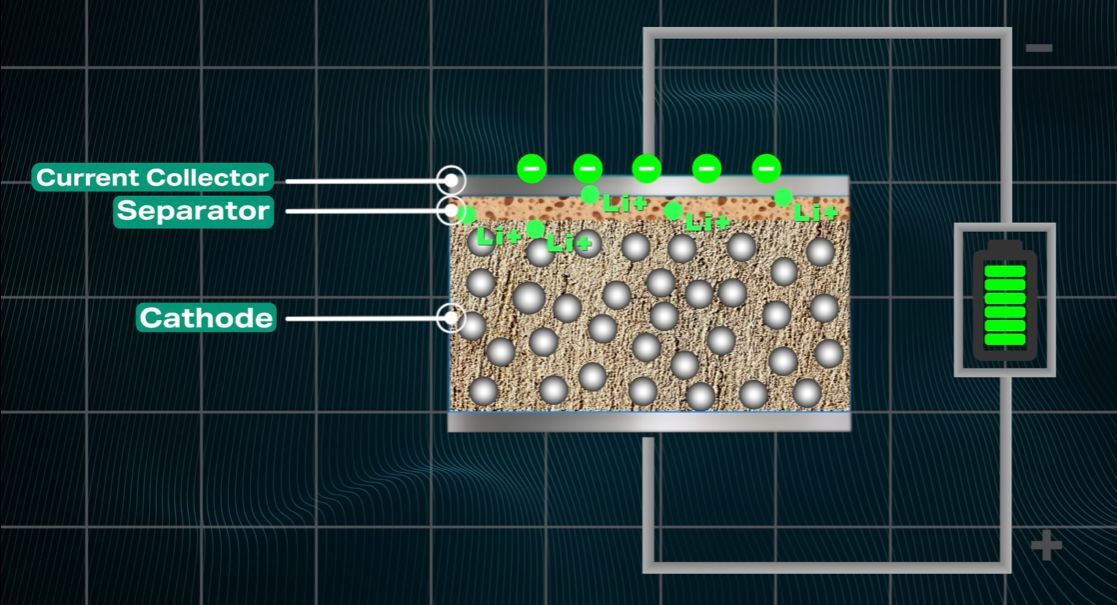
A typical lithium-ion battery discharge cycle | Image by CAPLINQ
Without getting into technical detail, let's quickly go through what a battery is and how it operates. In the most simple terms, a battery is a device that stores energy through electrochemistry. There are three main components involved — an anode, a cathode, and an electrolyte.
When you charge a battery, you connect an external source to the anode and cathode and make charge particles flow from the cathode, through the electrolyte, and to the anode, bunching up there waiting to power your gadget.
When you connect an external load to the battery, let's say your smartphone, stored charged particles start flowing from the anode through your smartphone and back to the cathode of the battery. This electron flow effectively powers your device.
Recommended For You
The VW anode-free battery
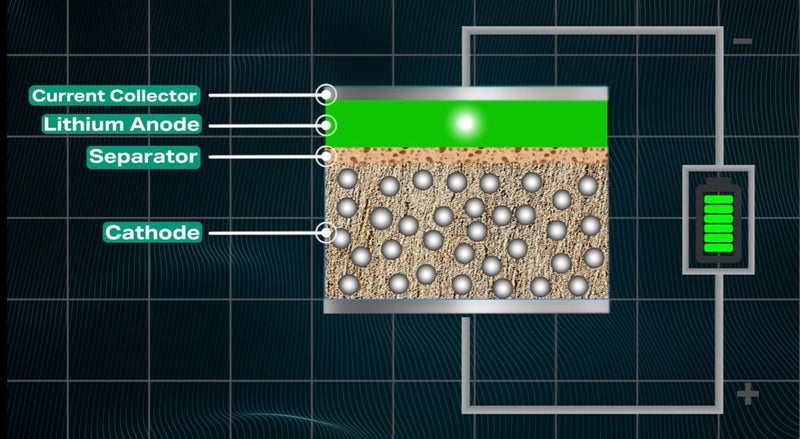
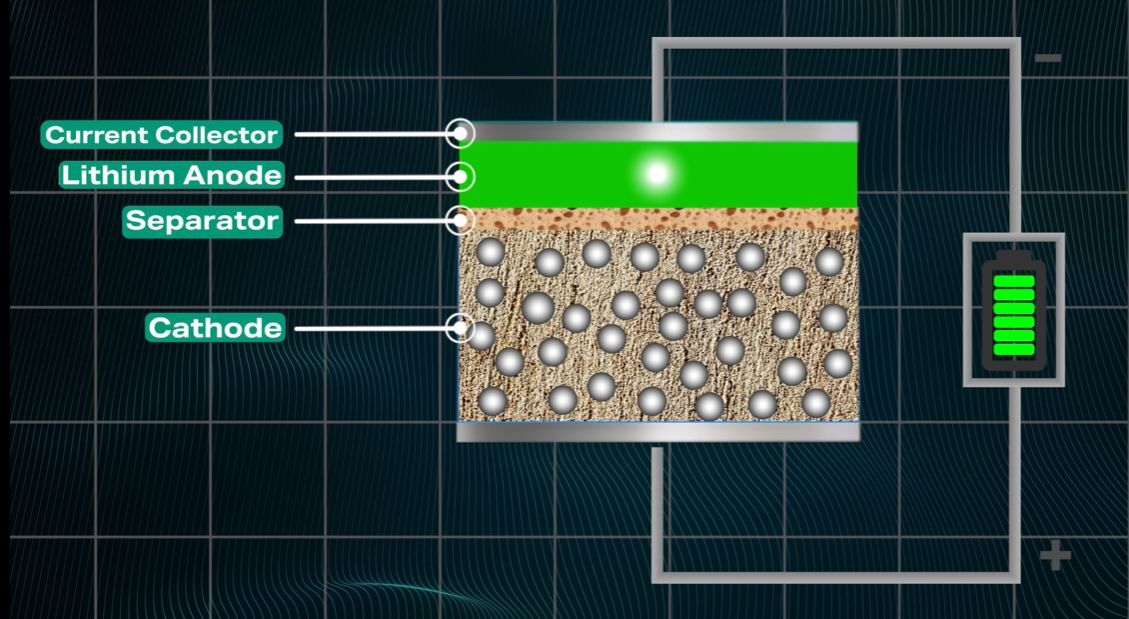
So, how is it possible for an anode-less battery to even exist? This defies the core principles of a battery. This technology is a brainchild of one of the biggest automotive conglomerates in the world, the VW group, and it uses a very clever trick.
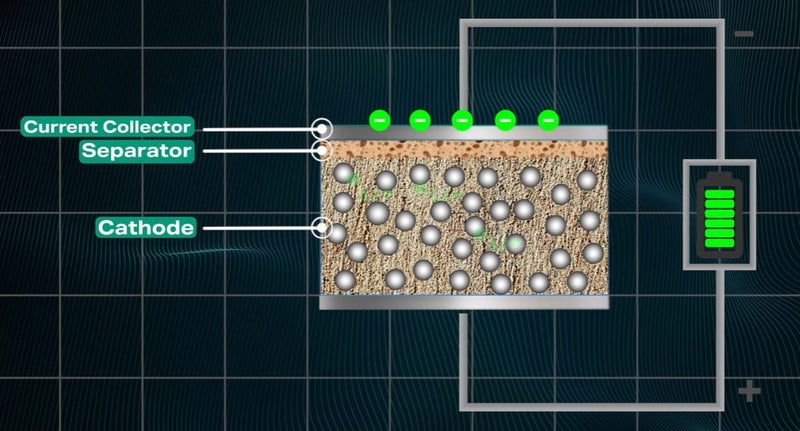
Instead of manufacturing an anode, VW decided to use something called a "current collector." How's that different from a conventional lithium anode? Well, this thin metal foil "becomes" an anode during charge cycles, accumulating charged particles, and "disappears" during discharge.
It's genius and solves a few issues with conventional lithium-ion batteries.
Advantages of anode-free batteries
The biggest advantage - almost double the capacity of conventional lithium-ion battery | Image by Pixabay
Technically, these batteries should be called "temporary anode" batteries. But let's leave semantics aside and see if they're any good.
The first and most important advantage this type of technology has is the increased capacity. The lack of a permanent anode means you can accumulate more charged particles and "expand" this temporary anode beyond the physical constraints of a permanent lithium anode.
Prototypes have reached an energy density of around 1,270 Wh/L. For context, the best lithium-ion batteries cap at around 700Wh/L. That's almost double the capacity for anode-free batteries! The second big advantage is the simplified manufacturing process. You simply eliminate the lithium anode production step. This will cut costs and also make these batteries lighter and thinner physically. But let's now talk about the big drawback.
Where's my four-day Galaxy Ultra then?
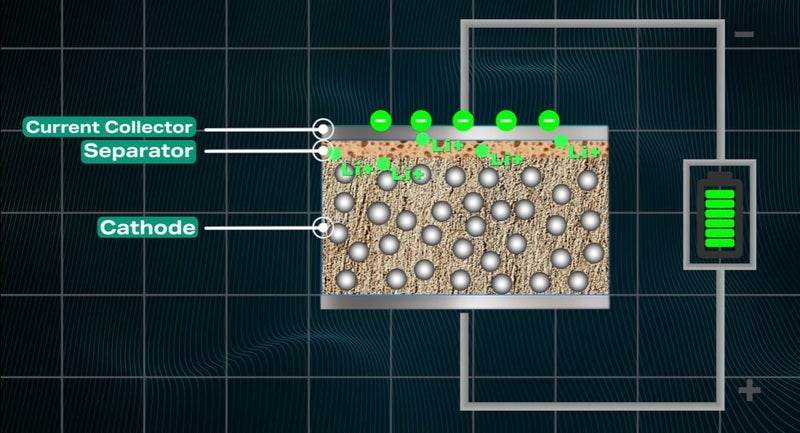
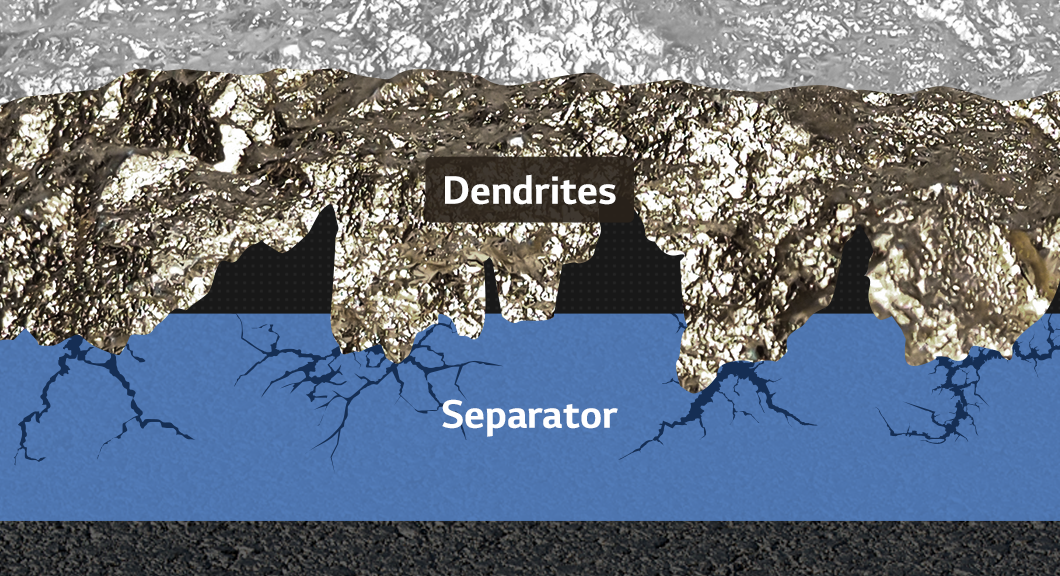
Lithium deposits in the form of dendrites can damage the battery | Image by Battery Inside
The biggest hurdle before widespread adoption of anode-free batteries lies in the core of the technology itself. The process of "creating" the anode in each charging cycle and "dissolving" it when discharging the battery is inefficient and imperfect.
It leaves lithium deposits on the current collector, and they are distributed unevenly on its surface. What this does to the battery is it quickly reduces the effective capacity. It also contributes to dendrite formation — basically heaps of lithium deposits that grow and can physically damage the battery.
What's the verdict then? Can these innovative anode-free batteries power our smartphones, and if yes, when?
Conclusion
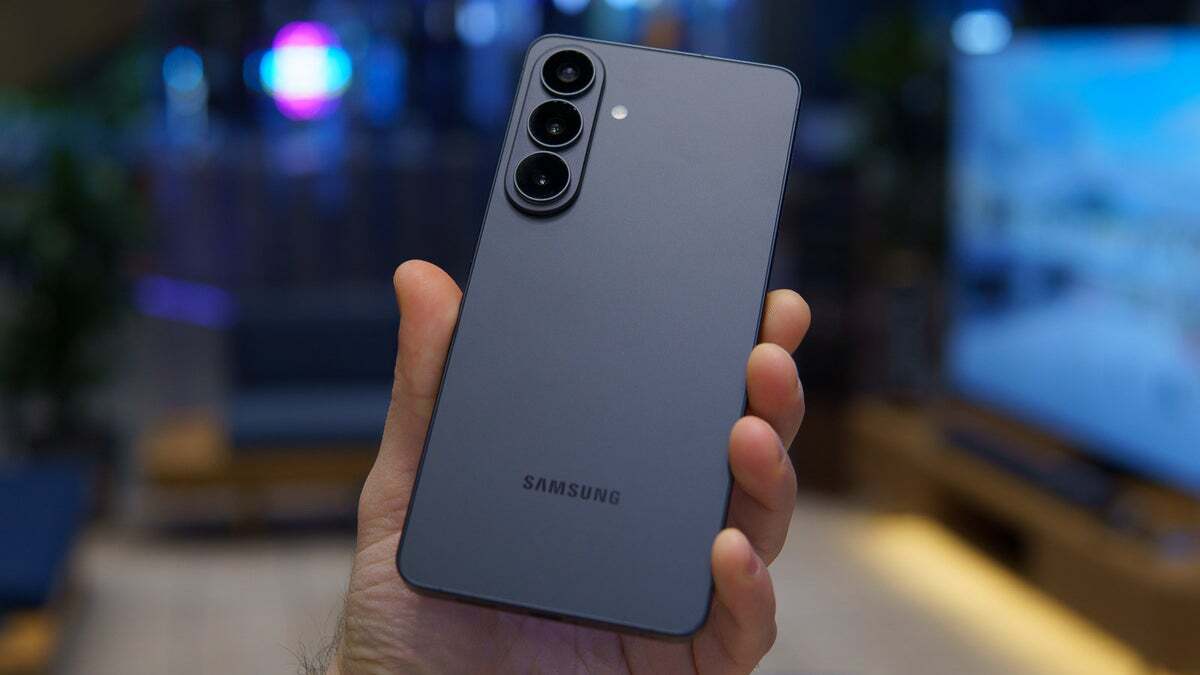
A week on a single charge is still some years away | Image by PhoneArena
Experts in the sphere (respected chemists and material scientists) think that this technology is still in its infancy. There are at least five years before anode-free batteries go into mass production, and even this timeline seems a bit optimistic.
What's really positive about this whole story is that there seem to be a lot of lithium-ion battery alternatives in research. I've already touched briefly on Donut's solid-state battery, as well as sodium and calcium batteries.
Eventually, we're going to get our week-on-a-single-charge smartphones. We just have to be patient.
Mariyan, a tech enthusiast with a background in Nuclear Physics and Journalism, brings a unique perspective to PhoneArena. His childhood curiosity for gadgets evolved into a professional passion for technology, leading him to the role of Editor-in-Chief at PCWorld Bulgaria before joining PhoneArena. Mariyan's interests range from mainstream Android and iPhone debates to fringe technologies like graphene batteries and nanotechnology. Off-duty, he enjoys playing his electric guitar, practicing Japanese, and revisiting his love for video games and Haruki Murakami's works.
A discussion is a place, where people can voice their opinion, no matter if it
is positive, neutral or negative. However, when posting, one must stay true to the topic, and not just share some
random thoughts, which are not directly related to the matter.
Things that are NOT allowed:
Off-topic talk - you must stick to the subject of discussion
Offensive, hate speech - if you want to say something, say it politely
Spam/Advertisements - these posts are deleted
Multiple accounts - one person can have only one account
Impersonations and offensive nicknames - these accounts get banned
To help keep our community safe and free from spam, we apply temporary limits to newly created accounts:
New accounts created within the last 24 hours may experience restrictions on how frequently they can
post or comment.
These limits are in place as a precaution and will automatically lift.
Moderation is done by humans. We try to be as objective as possible and moderate with zero bias. If you think a
post should be moderated - please, report it.
Have a question about the rules or why you have been moderated/limited/banned? Please,
contact us.









Things that are NOT allowed:
To help keep our community safe and free from spam, we apply temporary limits to newly created accounts: