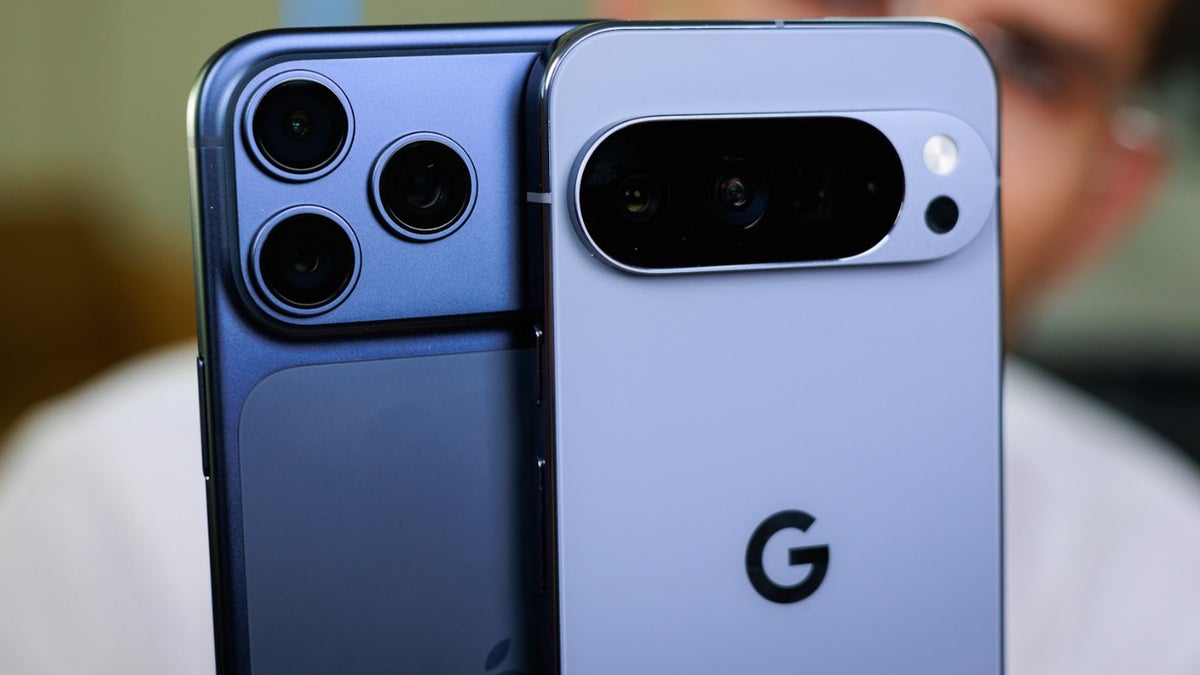
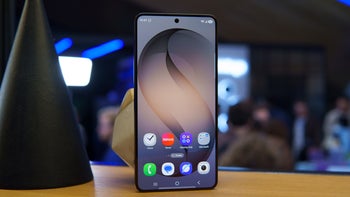
User experiences on Apple and Google phones are becoming even more customizable. | Image by PhoneArena
This is the year in which phone manufacturers are going back on their forced updates after severe public backlash. We’ve gotten very used to companies just changing around their apps and operating systems without our say, expecting everyone to get used to new layouts every few months, but people like you are finally saying that enough is enough.
After all, what good is a phone if using it for the most basic tasks can sometimes feel like a needlessly complicated struggle?
Liquid Glass has been shattered
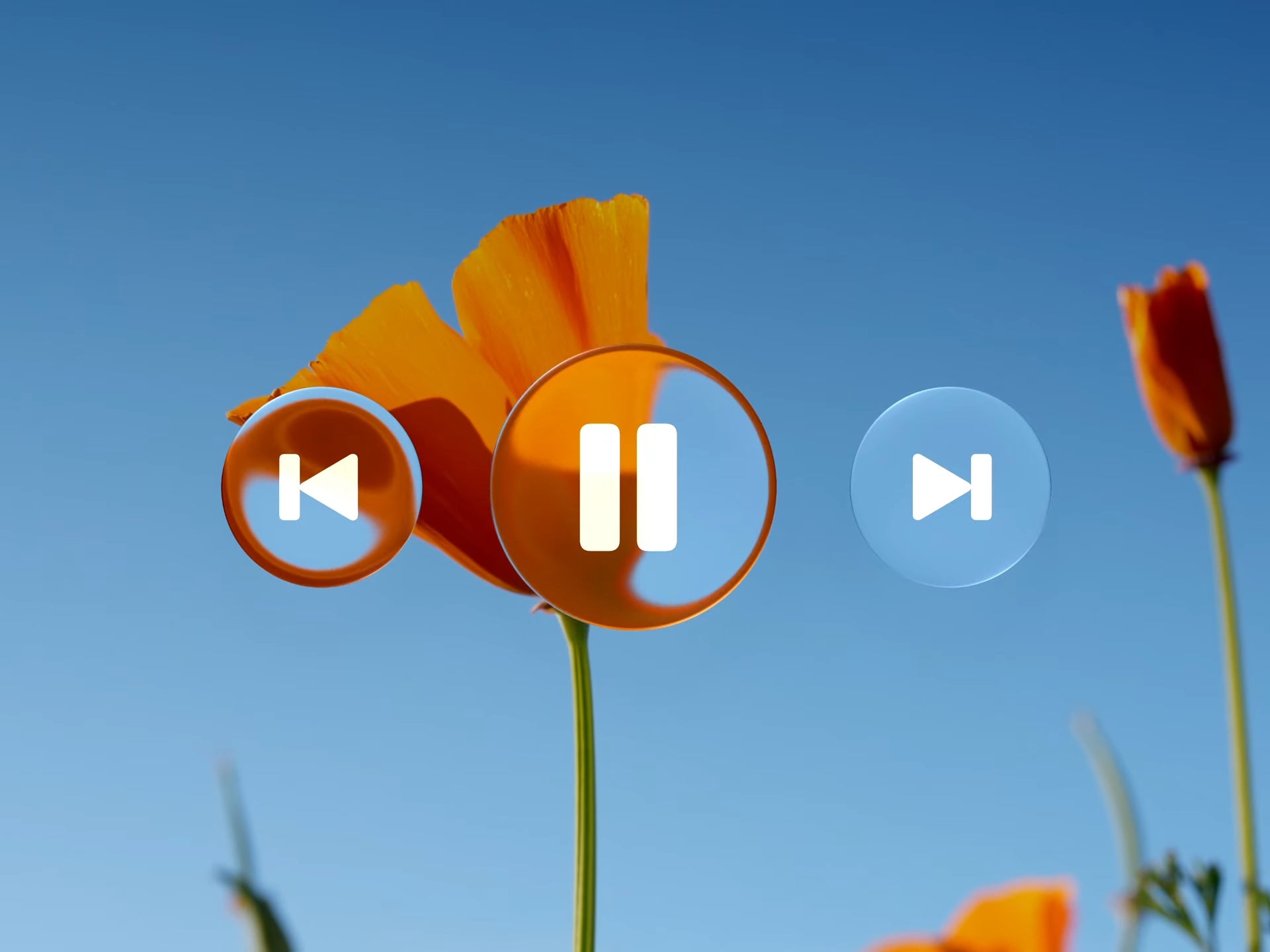
Apple put in a lot of technical work for Liquid Glass but overlooked the basics. | Image by Apple
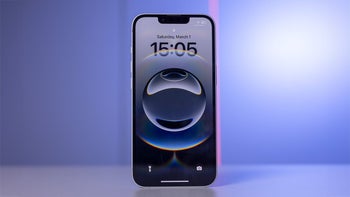
Take Apple’s iOS overhaul called Liquid Glass. The visual changes are a stunning work of art and how the light refracts through the UI elements is genuinely fascinating to behold. It is also a very unusable piece of software for many people, and it was much worse at launch.
An update likened to the glow-up that Apple’s phones had with iOS 7, Liquid Glass instead received very mixed reviews. All of the light bouncing around made it difficult to actually see certain UI elements, and text would sometimes be completely unreadable.
Recommended For You
The backlash online was so intense and so widespread that Apple has been rolling out toggles to limit Liquid Glass ever since. People can tweak their iPhone 17 (or prior) to have less reflective and more tinted UI elements. Smaller details can now also be changed, like the very bright effect that highlighted text has.
For the first time in a very long time, the iPhone experience is inconsistent from phone to phone, at least visually.
Do not ask Google Photos
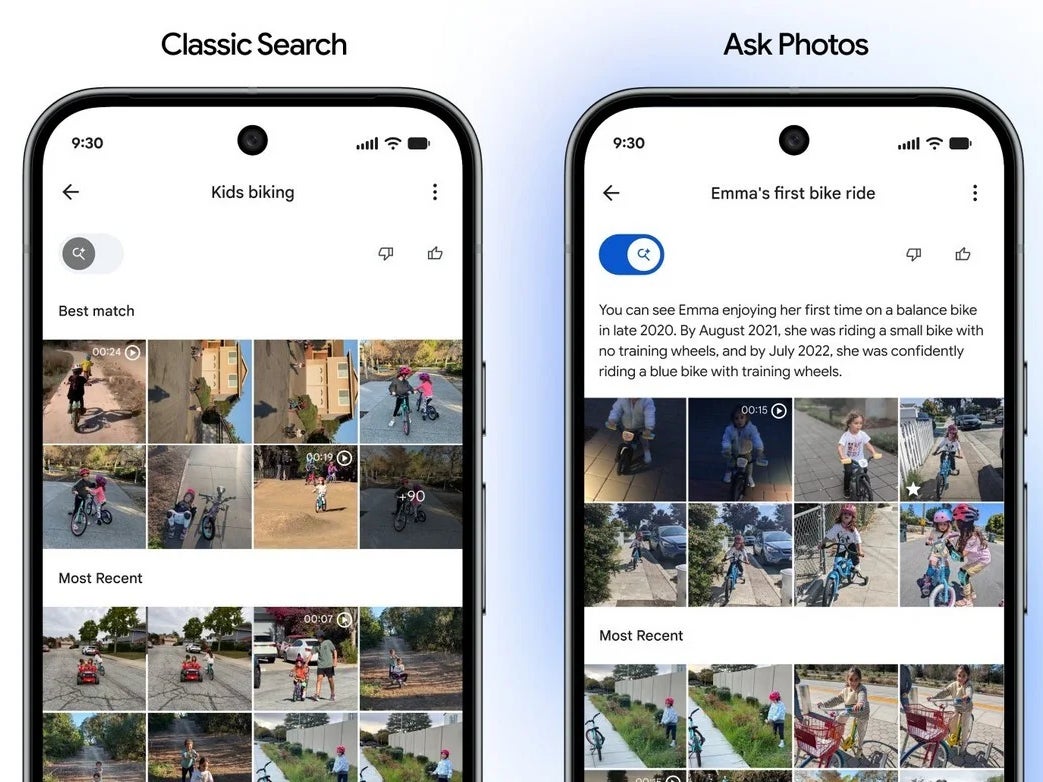
You can now choose between two different search options in Google Photos. | Image by Google
Google, on the other hand, rolled out an “Ask Photos” feature powered by its flagship AI model Gemini. It would be an understatement to say that the new search feature on Google Photos was disliked. Many customers already hate AI being shoved into every aspect of their devices and this was that but even worse because it didn’t work as advertised.
After the severe dislike for the new search option, Google introduced a toggle button in the Photos app. You can now switch between the classic search and the new AI-powered search. Once again, public backlash forced a major phone manufacturer to roll back forced updates and allow its users more freedom and control.
Is it time to take a stand?
These are just two examples of quite a few similar incidents in recent years. Sometimes a disliked feature is rolled back and then slowly reintroduced in stages. Those changes are often more profitable for the company, hence the insistence on having them be present.
But smaller changes that might not necessarily make more money can still be very annoying to deal with. You’ve probably noticed how every few months one of your most-used apps will have its layout shuffled around for seemingly no reason.
Should software updates make new layouts and features optional?
Buttons aren’t where they should be, the search bar has moved, some new icon has appeared for a feature that you will never use, etc. etc. The list goes on and on and we’re left retraining our thumbs to not operate on older layouts. It gets very tiring very fast.
Some allege that this happens so that design teams can report something that they have worked on at quarterly meetings. If an app’s design has been perfected, then the design team isn’t really needed anymore in its full capacity, is it?
But the Liquid Glass and Ask Photos debacles show that consumers don’t have to live like this. You don’t have to accept ever-changing apps every few months, disrupting your flow for a week or two as you get used to the new layout.
Customers also don’t need to accept a new look for their phone’s entire operating system if they don’t like it. Personally, while I can appreciate the craftsmanship behind effects like Liquid Glass, the look gives me a headache. I can’t explain why, it just does.
Constructive feedback works, especially if it populates every thread on every forum about a particular device or application. There’s only so much companies can ignore before customers start leaving for alternative options.
Abdullah loves smartphones, Virtual Reality, and audio gear. Though he covers a wide range of news his favorite is always when he gets to talk about the newest VR venture or when Apple sets the industry ablaze with another phenomenal release.
A discussion is a place, where people can voice their opinion, no matter if it
is positive, neutral or negative. However, when posting, one must stay true to the topic, and not just share some
random thoughts, which are not directly related to the matter.
Things that are NOT allowed:
Off-topic talk - you must stick to the subject of discussion
Offensive, hate speech - if you want to say something, say it politely
Spam/Advertisements - these posts are deleted
Multiple accounts - one person can have only one account
Impersonations and offensive nicknames - these accounts get banned
To help keep our community safe and free from spam, we apply temporary limits to newly created accounts:
New accounts created within the last 24 hours may experience restrictions on how frequently they can
post or comment.
These limits are in place as a precaution and will automatically lift.
Moderation is done by humans. We try to be as objective as possible and moderate with zero bias. If you think a
post should be moderated - please, report it.
Have a question about the rules or why you have been moderated/limited/banned? Please,
contact us.









Things that are NOT allowed:
To help keep our community safe and free from spam, we apply temporary limits to newly created accounts: