Samsung finally responds to complaints about the Galaxy S26 Ultra's headline feature, but the explanation feels... questionable
The feature is definitely not as perfect as you would expect.
We may earn a commission if you make a purchase from the links on this page.
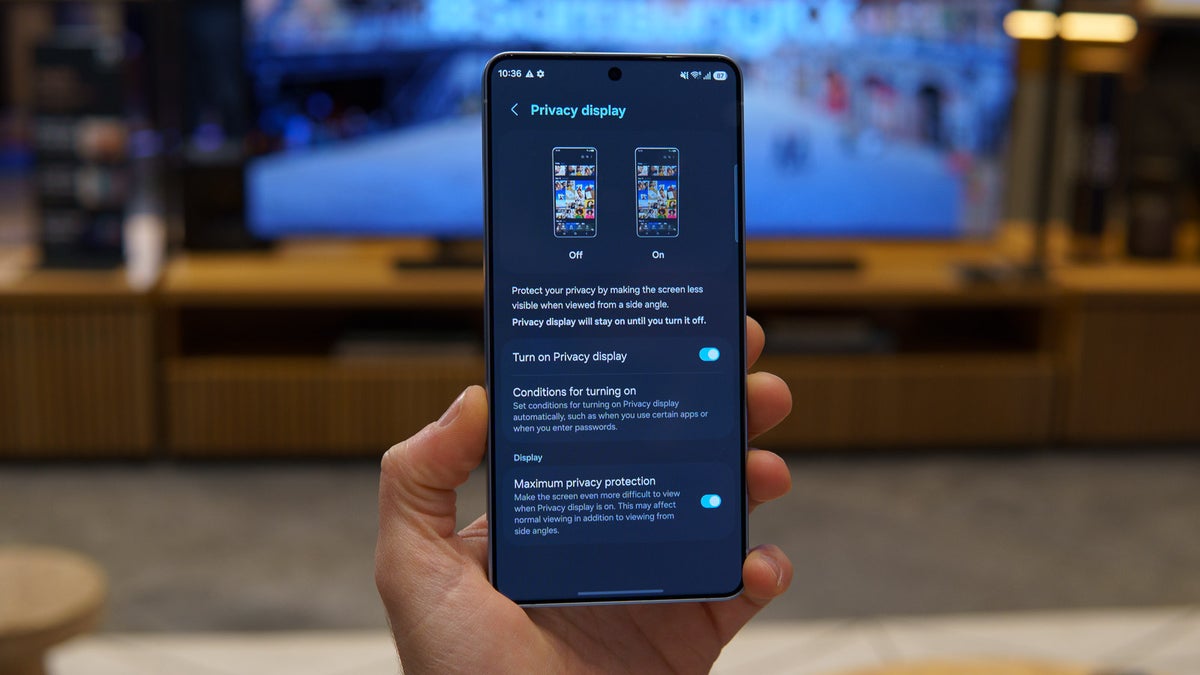
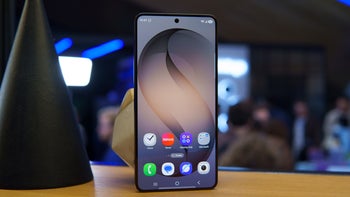
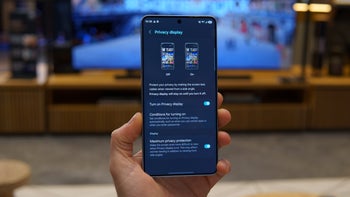
Privacy Display window in Galaxy S26 Ultra | Image by PhoneArena
Totally opposite to what everyone expected, the Galaxy S26 Ultra received very minimal upgrades over its predecessor. One of the few highlights of the phone is the new privacy display feature, which makes sure that your smartphone screen can't be viewed from off-angles. While the concept sounds great on paper, many have found it actually reduces the overall brightness of the screen. Samsung has now finally responded to all the controversy surrounding the new display tech.
It was almost certain that the privacy display would be one of the first features every S26 Ultra buyer would try. However, contrary to what Samsung would have expected, users began complaining that the new feature reduces the display's overall brightness.
While a good number of reports highlight users experiencing issues with the privacy display or the overall display quality of the S26 Ultra, an equally large number of users claim to have absolutely no problems with the phone's display. In fact, we tested the device ourselves and found its display quality to be top-notch. Does that mean all online complaints are false?
It's negligible
The tech giant has finally responded to the complaints, reportedly admitting that "some brightness variations" may appear when holding the phone at certain angles with the privacy display enabled and maximum brightness set. However, the impact on actual usage will be "negligible."
In layman's terms, if you place the Galaxy S25 Ultra and Galaxy S26 Ultra side by side with both phones set to maximum brightness, you'll notice the latter's screen appears comparatively dimmer with the privacy display feature enabled. Samsung's statement also suggests you won't see much difference at lower brightness levels.
I totally agree with both statements. However, saying that it will have a negligible impact on actual usage doesn't sound very convincing to me. That's because online forums are flooded with users complaining about the feature affecting the display quality.
A user who switched from the S23 Ultra to the S26 Ultra posted on the Samsung Community forum that the text on the new phone appears oversharpened and of low resolution. They further mentioned that the screen looks "processed rather than natural," even with the privacy display turned off.
A Reddit user posted images comparing the screen quality of the S23 Ultra and the S26 Ultra. If the images are actually of the phones the Redditor claims them to be, the content on the new phone definitely appears a bit fuzzy. However, it could also be due to the moiré effect, which can affect an image's quality depending on the angle at which it's taken. Still, it's a problem we can't simply ignore, especially since many others have also posted about experiencing something similar.
Even popular tipsters like Tarun Vats and Ice Universe shared on X that they are noticing a difference (not in positive terms) between the display quality of the new Ultra model and its predecessor. Tarun went on to further mention that his eyes started to feel a bit tired and slightly uncomfortable after using the new device for a while. This is the same problem many other users have also posted about on different forums.
Are you experiencing any display issues with the S26 Ultra because of the privacy display?
It's difficult to come to a conclusion
Hey Galaxy Fam
— Tarun Vats (@tarunvats33) March 2, 2026
I noticed a huge difference between the Galaxy S26 Ultra and S25 Ultra displays. After using the S26 Ultra for a while, my eyes felt tired and slightly uncomfortable.
Note: Both phones were set to 2K resolution, and Privacy Mode was turned OFF on the S26… pic.twitter.com/XbN1DzqiyU
Definitely not. Even some of the top tech creators, like MKBHD and Mrwhosetheboss, have criticized Samsung for the display on its latest Ultra model in their respective videos. I think it's not a "one-size-fits-all" issue. Some users are finding the new tech very useful, while others are not. You can consider it similar to how some people watch 3D videos without any discomfort, while others may experience disorientation or queasiness because of it.

Follow us on Google News


Things that are NOT allowed:
To help keep our community safe and free from spam, we apply temporary limits to newly created accounts: