The Galaxy S26 is a lazy product, but it is still the best at this one thing
Stripped of upgrades, the Galaxy S26 is still unmatched in one very specific area.
This article may contain personal views and opinion from the author.
We may earn a commission if you make a purchase from the links on this page.
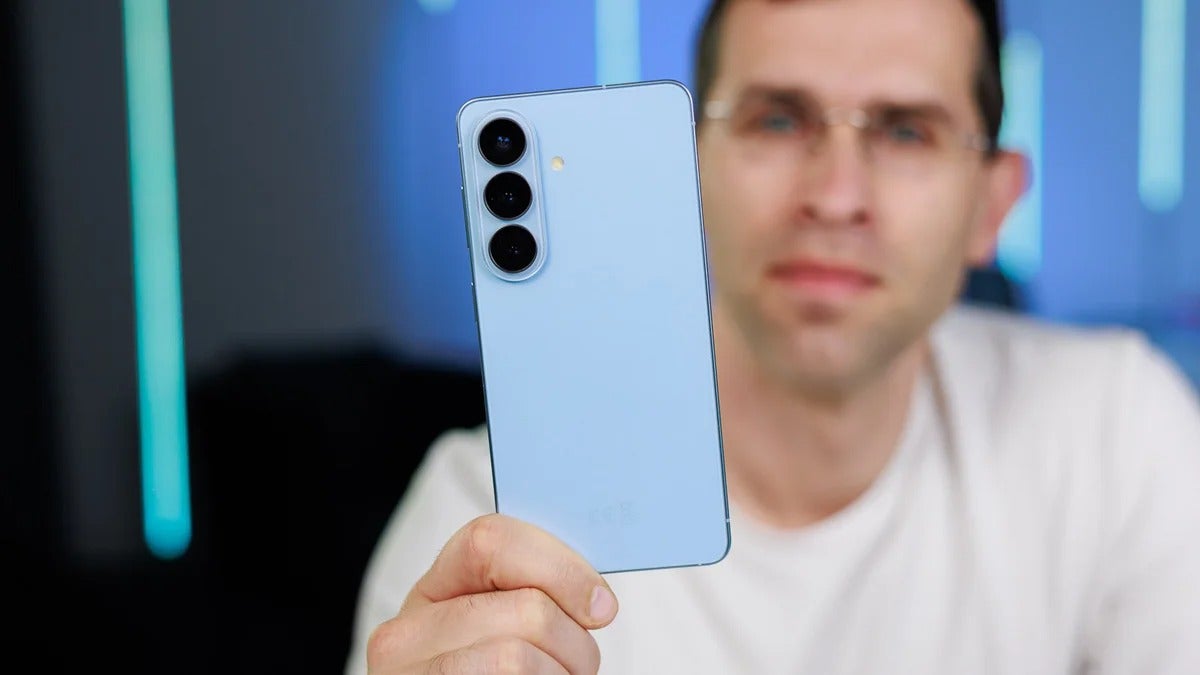
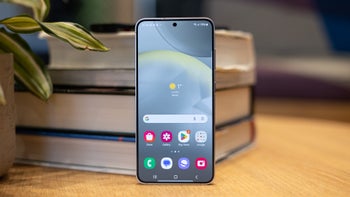
Few phones feel so nice to hold as the Galaxy S26. | Image by PhoneArena
Samsung has always favored its Galaxy Ultra models more than the regular Galaxy S-series, but this year the negligence was as blatant as it can get. So much that it made me question Samsung’s ambitions.
On paper, the Galaxy S26 is supposed to be a flagship. Heck, Samsung even bumped the price to $900 (from $800 in 2025). What do you get for that $100 price hike? Not a lot…
You have the same camera hardware, the same charging speeds (with a slightly larger battery), and still no Gorilla Armor (which remains reserved for the Ultra).
And yet, despite all that, the Galaxy S26 is still easy to recommend for a very specific user, because Samsung continues to nail the one thing that no one else has — size.
I can judge Samsung all I want about its negligence of the S26 this year, but once I pick it up those thoughts in my head quiet down quick.
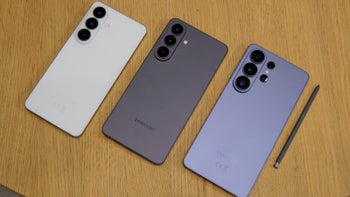
At just 167 grams and 7.2 mm thick, it feels dramatically different from its main rivals. The iPhone 17 Pro and Pixel 10 Pro are both noticeably heavier and bulkier. The difference isn’t subtle.
The Galaxy S26 is one of the few flagship phones that actually feels compact in 2026.
Samsung has managed to fit a 6.3-inch display into a body that remains pocketable and comfortable throughout the whole day. It is the closest you can get to Apple’s now discontinued iPhone mini lineup.
The problem is everything around that experience.
The camera system is the clearest example. A 50 MP main, 12 MP ultra-wide, and 10 MP 3x telephoto setup might have been acceptable a couple of years ago. But we are in 2026, and the phone now costs $900. Yes, it might have its storage upgraded to 256 GB, but I am not convinced that’s enough considering the price hike. The two secondary cameras are not on par with what one would expect from such an expensive phone.
Yes, Samsung has improved the processing over the years, resulting in better exposure and more realistic colors, but hardware still matters and the S26 is standing still.
The one area I expected to receive an upgrade was charging, but alas. With 25 W wired speeds, this is one of the slowest-charging flagship phones right now. Competitors are pushing well beyond that, making the S26 feel outdated.
Even the display, while still excellent, lacks Samsung’s best anti-reflective coating and Gorilla Armor durability.
And yet, the Galaxy S26 works. Why? Because none can challenge the engineering marvel of cramping so much in such a tight body right now.
Compact phones have practically disappeared, replaced by bigger, heavier devices that prioritize battery size and camera hardware. Samsung is the one company keeping this category alive.
It gives you flagship-level performance, strong battery life, long software support, and a polished software experience in a form factor that you can handle easily with a single hand and forget about when it’s in your pocket.
The Galaxy S26 might not be an exciting phone like the Ultra, but it still has a place on the market.
If Samsung paired this design with more aggressive upgrades, I’m certain the S26 could have been one of the best phones of the year.
As it stands, though, it will probably get overshadowed by all the upgrades that come with the Ultra, which I guess is Samsung’s plan anyway.
You have the same camera hardware, the same charging speeds (with a slightly larger battery), and still no Gorilla Armor (which remains reserved for the Ultra).
This is what a small phone should feel like
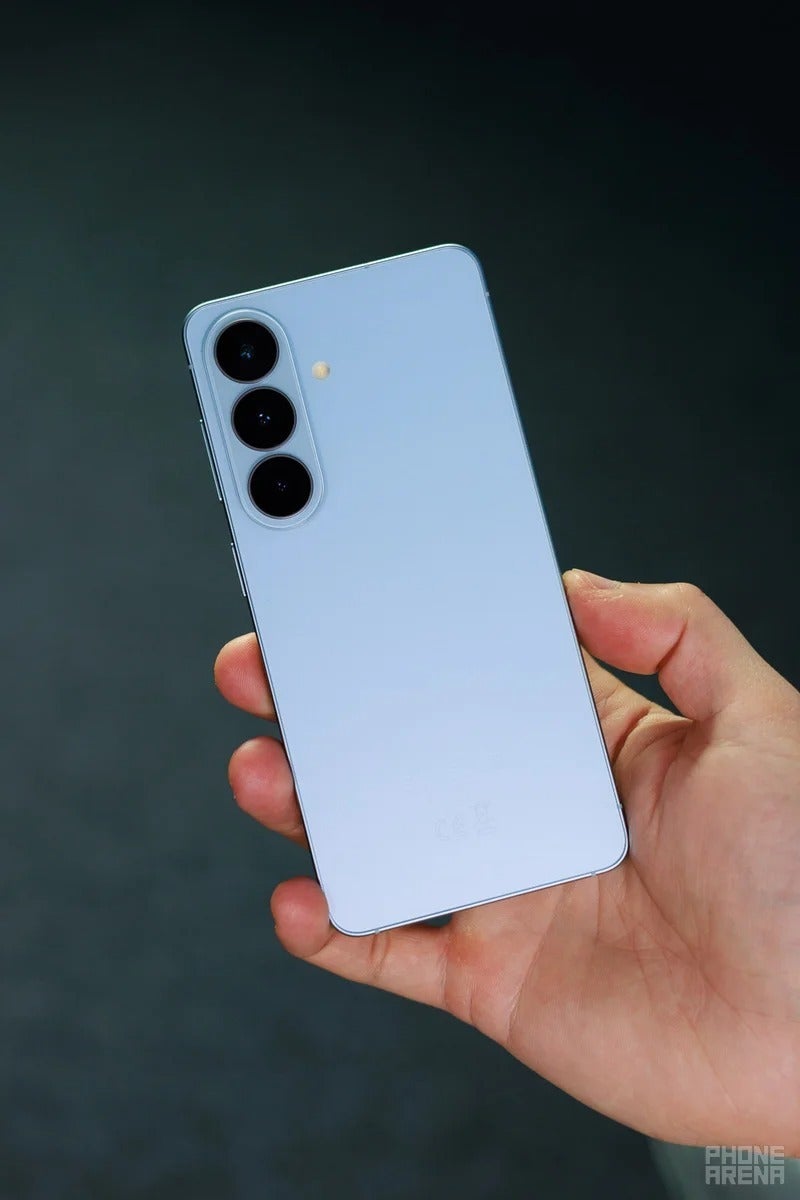
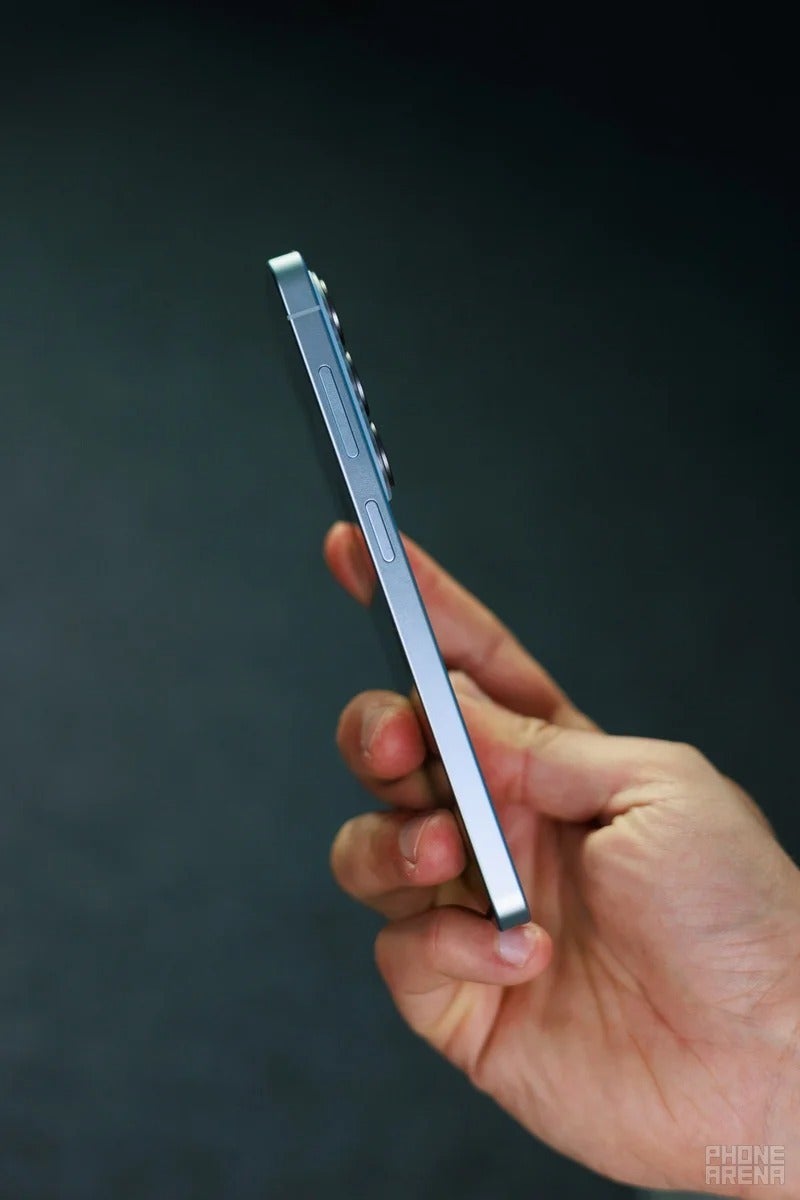
I can judge Samsung all I want about its negligence of the S26 this year, but once I pick it up those thoughts in my head quiet down quick.
At just 167 grams and 7.2 mm thick, it feels dramatically different from its main rivals. The iPhone 17 Pro and Pixel 10 Pro are both noticeably heavier and bulkier. The difference isn’t subtle.
Samsung has managed to fit a 6.3-inch display into a body that remains pocketable and comfortable throughout the whole day. It is the closest you can get to Apple’s now discontinued iPhone mini lineup.
A year of missed opportunities
The problem is everything around that experience.
The camera system is the clearest example. A 50 MP main, 12 MP ultra-wide, and 10 MP 3x telephoto setup might have been acceptable a couple of years ago. But we are in 2026, and the phone now costs $900. Yes, it might have its storage upgraded to 256 GB, but I am not convinced that’s enough considering the price hike. The two secondary cameras are not on par with what one would expect from such an expensive phone.
Yes, Samsung has improved the processing over the years, resulting in better exposure and more realistic colors, but hardware still matters and the S26 is standing still.
Even the display, while still excellent, lacks Samsung’s best anti-reflective coating and Gorilla Armor durability.
The one reason it still works
And yet, the Galaxy S26 works. Why? Because none can challenge the engineering marvel of cramping so much in such a tight body right now.
Compact phones have practically disappeared, replaced by bigger, heavier devices that prioritize battery size and camera hardware. Samsung is the one company keeping this category alive.
It gives you flagship-level performance, strong battery life, long software support, and a polished software experience in a form factor that you can handle easily with a single hand and forget about when it’s in your pocket.
A good phone in need of more ambition
The Galaxy S26 might not be an exciting phone like the Ultra, but it still has a place on the market.
As it stands, though, it will probably get overshadowed by all the upgrades that come with the Ultra, which I guess is Samsung’s plan anyway.

Follow us on Google News





Things that are NOT allowed:
To help keep our community safe and free from spam, we apply temporary limits to newly created accounts: