The Pixel 10a is Google’s least exciting phone and there’s a better alternative
When a flagship costs just $50 more, the Pixel 10a starts to make less sense.
This article may contain personal views and opinion from the author.
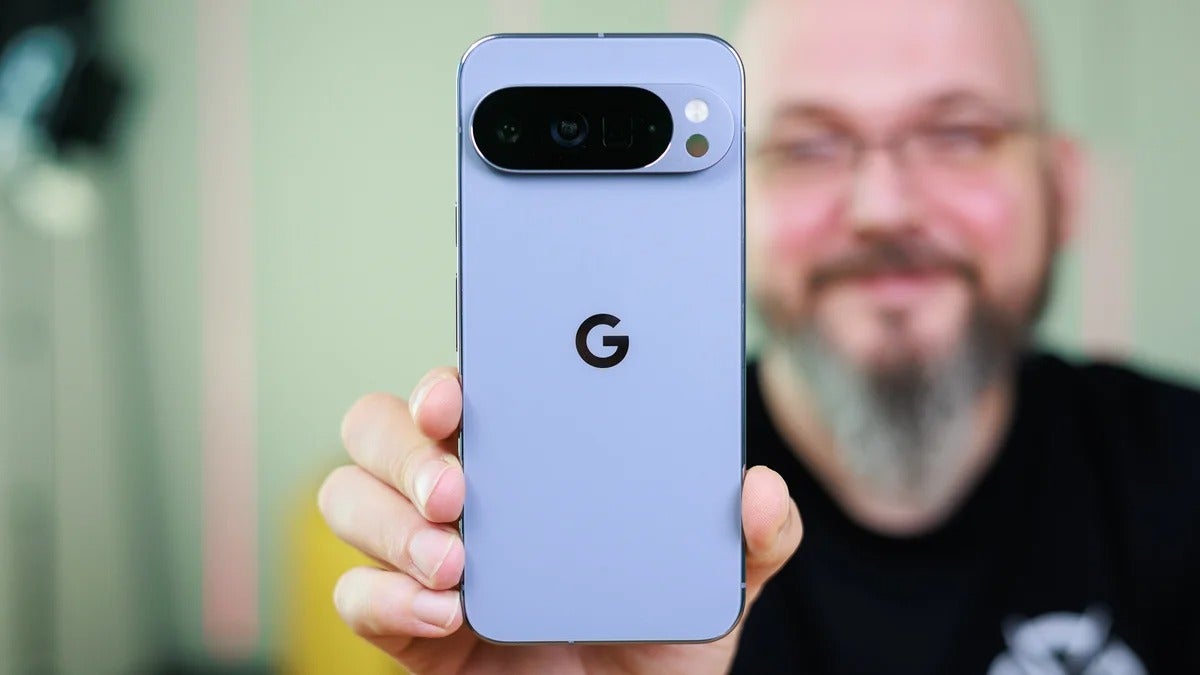
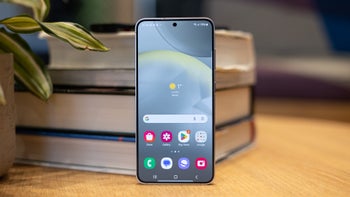
A refurbished Pixel 10 Pro XL is a much better deal. | Image by PhoneArena
The Pixel 10a is one of the least exciting A-series Google has made in recent years, which already makes it pretty difficult to pitch. What makes the 10a an even tougher sell, however, is the fact that you can buy the flagship Pixel 10 Pro XL for just $60 more.
Now, I know you are already sensing there might be some caveats to this statement, and there are. First of all, I am talking about the 256 GB storage models. Second, and more important (to some), is that I am talking about a refurbished Pixel 10 Pro XL. But hear me out!
Because for just $60 more, you can get a professionally refurbished Pixel 10 Pro XL with the same storage. A full-blown flagship. At almost the same price.
I am talking about a $60 difference… And not for a second-hand phone that’s severely damaged, but about one professionally refurbished by Back Market.
The Pixel 10a does not bring much new to the table, but its predecessor was one of the best phones at its price, and so is the 10a. Still, the whole point of the A-series is to be affordable, and for that you need to make compromises.
You get a Tensor G4 chip, 8 GB of RAM, a 6.3-inch OLED display, and a large 5,100 mAh battery. That makes the 10a fast enough for regular phone use, with Google’s software doing a lot to smooth things out. It also means the phone has solid battery life.
But for just $60 more, you can have the Pixel 10 Pro XL, and that phone plays in an entirely different league.
It runs on the newer Tensor G5 chip, which brings noticeable improvements in performance and how fast the phone processes AI-related tasks. You also get 16 GB of RAM, which is a big deal for multitasking and long-term usability.
The display is brighter and protected with more durable glass. The back panel is also made from the same tough glass, and the frame is made from metal instead of plastic.
If there’s one area where the extra $60 becomes a no-brainer, it’s the camera system that the Pixel 10 Pro XL provides.
The Pixel 10a comes with the same setup we’ve seen on the previous three generations: a 48 MP main camera and a 13 MP ultra-wide. It’s a great camera system for the price, probably the best, even.
But the Pixel 10 Pro XL offers a proper flagship camera system. You get a larger main sensor that captures more light and therefore higher quality images, a 48 MP ultra-wide camera, and most importantly, a 5x telephoto camera.
I will forever argue that zoom is more important than ultra-wide, so that’s already a major win for me. On the 10a, all zoom is digital, and beyond 2x you see noticeable degradation of the image quality. On the Pro, you have true optical quality when you zoom in, better detail, and far more flexibility.
The Pixel 10a will feel fast for a couple of years, I’m sure of that. But it’s already a step behind.
The Tensor G4 is a reused chip, while the Tensor G5 in the Pixel 10 Pro XL is built on a newer process and brings better efficiency and stronger AI capabilities. That might not seem as important now, but it is in the grand scheme of things, especially as Google continues to push for more on-device AI features.
The same goes for the RAM. 8 GB is the bare minimum in the current market, while 16 GB gives you the peace of mind that your phone won’t become obsolete in the next 4-5 years.
So while both phones promise seven years of updates, realistically, the one with better hardware will age better.
The Pixel 10a does have one advantage on paper: a larger 5,100 mAh battery. Frankly, this is the one area where I think the 10a might win.
The Pixel 9a we tested last year gave us an hour more of estimated battery life than the Pixel 9 Pro XL and two hours more than the Pixel 10 Pro XL.
That said, the Pixel 10 Pro XL makes up for that with faster charging. Thanks to its 45W of wired charging, it can be juiced up from 0-100% in around 1 hour and 20 minutes vs 1 hour and 40 minutes on the A-series.
Here’s where I want to make my case about going for refurbished products. We are in 2026, and phones have matured so much as a product by this point that people are comfortably using them for 5 years or even more.
If you can get the additional features and extra future-proofing in exchange for a few dents and scratches, I’d take that deal any day if I were you.
The Pixel 10a is brand new, sure, but a Pixel 10 Pro XL at $660 is too good to skip just because it’s not perfectly polished.
Of course, I’m not saying just go and buy any second-hand phone. Platforms like Back Market, which are reputable refurbished platforms, offer devices that are tested, cleaned, and often come with warranties. Often, the customer experience is very close to buying new.
The Pixel 10a is not a bad phone. It’s a good one. The point I am trying to make here is that maybe it is a better idea to look for refurbished flagships than to go for a mid-ranger when the difference in price is so small.
Unless you specifically want a brand-new device, I think a Pixel 10 Pro XL for just $660 is a much smarter purchase.
I am talking about a $60 difference… And not for a second-hand phone that’s severely damaged, but about one professionally refurbished by Back Market.
The gap between a mid-range phone and a flagship is not affected by the “refurbished” status
The Pixel 10a does not bring much new to the table, but its predecessor was one of the best phones at its price, and so is the 10a. Still, the whole point of the A-series is to be affordable, and for that you need to make compromises.
You get a Tensor G4 chip, 8 GB of RAM, a 6.3-inch OLED display, and a large 5,100 mAh battery. That makes the 10a fast enough for regular phone use, with Google’s software doing a lot to smooth things out. It also means the phone has solid battery life.
It runs on the newer Tensor G5 chip, which brings noticeable improvements in performance and how fast the phone processes AI-related tasks. You also get 16 GB of RAM, which is a big deal for multitasking and long-term usability.
The display is brighter and protected with more durable glass. The back panel is also made from the same tough glass, and the frame is made from metal instead of plastic.
There is a greater gap in camera performance than before


If there’s one area where the extra $60 becomes a no-brainer, it’s the camera system that the Pixel 10 Pro XL provides.
The Pixel 10a comes with the same setup we’ve seen on the previous three generations: a 48 MP main camera and a 13 MP ultra-wide. It’s a great camera system for the price, probably the best, even.
But the Pixel 10 Pro XL offers a proper flagship camera system. You get a larger main sensor that captures more light and therefore higher quality images, a 48 MP ultra-wide camera, and most importantly, a 5x telephoto camera.
Performance and longevity
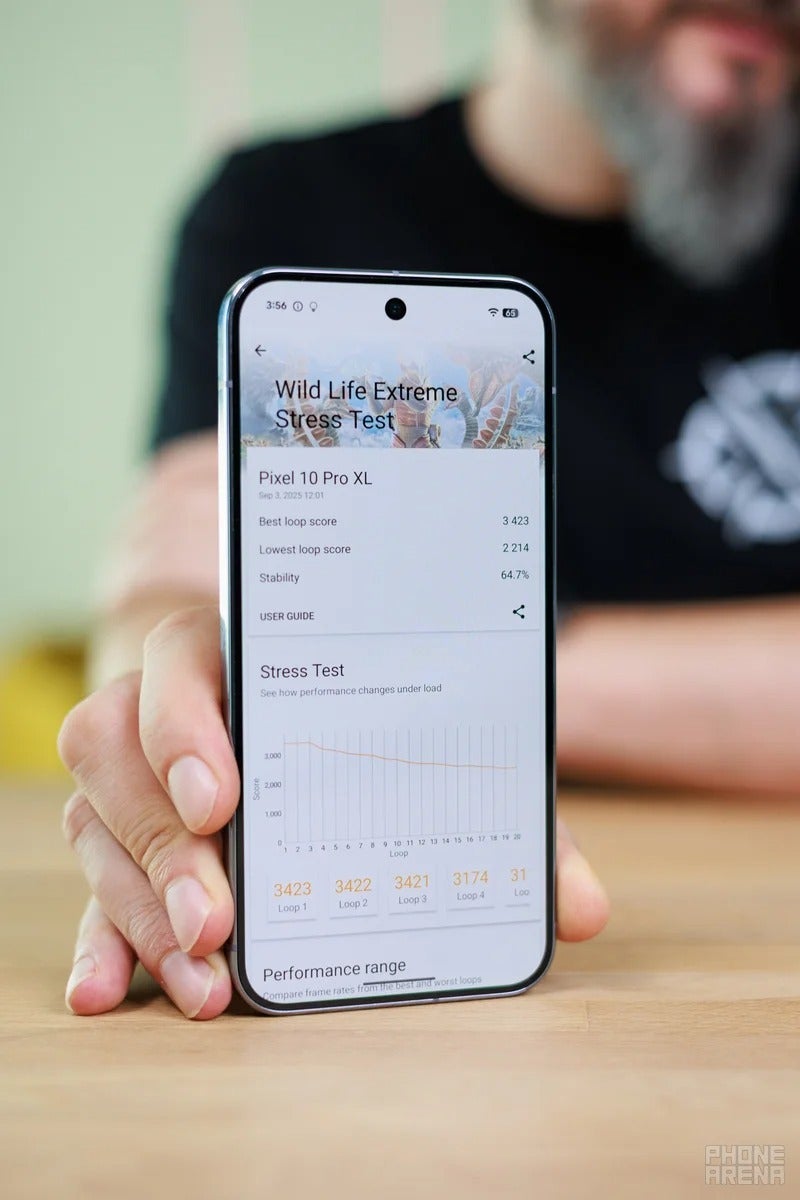

The Pixel 10a will feel fast for a couple of years, I’m sure of that. But it’s already a step behind.
The Tensor G4 is a reused chip, while the Tensor G5 in the Pixel 10 Pro XL is built on a newer process and brings better efficiency and stronger AI capabilities. That might not seem as important now, but it is in the grand scheme of things, especially as Google continues to push for more on-device AI features.
The same goes for the RAM. 8 GB is the bare minimum in the current market, while 16 GB gives you the peace of mind that your phone won’t become obsolete in the next 4-5 years.
So while both phones promise seven years of updates, realistically, the one with better hardware will age better.
Battery and charging
The Pixel 10a does have one advantage on paper: a larger 5,100 mAh battery. Frankly, this is the one area where I think the 10a might win.
That said, the Pixel 10 Pro XL makes up for that with faster charging. Thanks to its 45W of wired charging, it can be juiced up from 0-100% in around 1 hour and 20 minutes vs 1 hour and 40 minutes on the A-series.
The refurbished debate
Here’s where I want to make my case about going for refurbished products. We are in 2026, and phones have matured so much as a product by this point that people are comfortably using them for 5 years or even more.
If you can get the additional features and extra future-proofing in exchange for a few dents and scratches, I’d take that deal any day if I were you.
The Pixel 10a is brand new, sure, but a Pixel 10 Pro XL at $660 is too good to skip just because it’s not perfectly polished.
Of course, I’m not saying just go and buy any second-hand phone. Platforms like Back Market, which are reputable refurbished platforms, offer devices that are tested, cleaned, and often come with warranties. Often, the customer experience is very close to buying new.
This is a pricing problem
The Pixel 10a is not a bad phone. It’s a good one. The point I am trying to make here is that maybe it is a better idea to look for refurbished flagships than to go for a mid-ranger when the difference in price is so small.

Follow us on Google News









Things that are NOT allowed:
To help keep our community safe and free from spam, we apply temporary limits to newly created accounts: