iPhone 17 crushes weak Wi-Fi, but Pixel 10 Pro has something to brag about, too
New real-world data turns the Apple – Google rivalry into a photo finish.
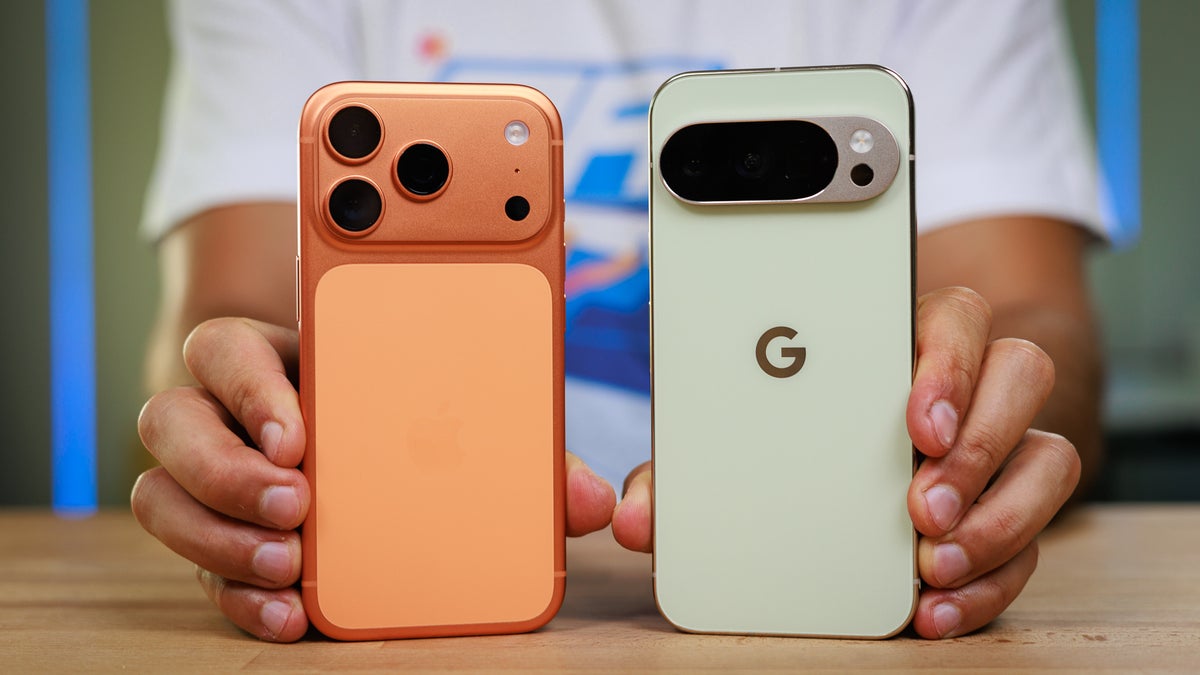
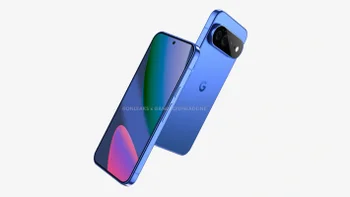
iPhone 17 Pro and Pixel 10 Pro. | Image credit – PhoneArena
Apple’s new N1 chip shows big real-world gains
A new report breaks down how Apple’s custom N1 networking chip – the one that bundles Wi-Fi 7, Bluetooth 6, and Thread radios inside the iPhone 17 series – actually performs compared to the Broadcom solution in last year’s iPhone 16 models. And in real-world use, the jump is pretty obvious.
iPhone 17 Wi-Fi speeds are a big improvement over the iPhone 16, but Pixel 10 Pro leads global Wi-Fi download speeds.
And the gains look even better in rough Wi-Fi spots. At the 10th percentile – basically the “bad Wi-Fi corner” of your home – the iPhone 17 saw a 60% increase over the iPhone 16. That hints that Apple’s N1 chip shines the most when the signal is weak.
The iPhone 17 family reached the highest median download speed of 416.14 Mbps, and the highest 90th-percentile speed at 976.39 Mbps. This could shift once more 320MHz-capable routers become common, but for now, it shows Apple’s chip is delivering impressively stable performance.
Samsung’s Galaxy S25 family didn’t dominate any single global metric, but landed in the upper mid-tier overall. Its biggest highlight was North America’s best latency score at 6 ms – and I think this is great news for competitive gamers.

Galaxy S25 shows strong latency performance.
Huawei’s Pura 80 lineup struggled a bit due to the lack of 6 GHz support. Using its own in-house solution (likely HiSilicon), it posted slower download and upload speeds compared to other flagship phones, especially at the 90th percentile.
Still, when you filter out 6 GHz samples, it’s much more competitive and even hits the second-best 90th-percentile upload speed (603.61 Mbps) in Southeast Asia on Wi-Fi 6.
Why this data actually matters in real life
What stood out to me the most wasn’t the shiny top speeds – it was how these phones behave when the Wi-Fi situation turns ugly. Everyone has that one spot where the signal barely reaches, or a café with a hundred devices fighting for bandwidth.
The report also highlights a few perks for gamers. In places like North America, Samsung’s Galaxy S25 and Xiaomi’s 15T Pro have the lowest latency numbers, which translates to quicker in-game responses.
Does the iPhone 17’s 60% boost in weak-signal spots make you more likely to upgrade?
Definitely.
22.22%
Maybe.
19.44%
Not really.
19.44%
I’m not in the Apple camp anyway.
38.89%
What this means for your next flagship phone
Ookla has a strong reputation for reliable testing, and this latest batch of data just reinforces the obvious: flagship phones are leveling up fast. No surprise there, right? What it tells me is that whichever top-tier phone you’re leaning toward next, the Wi-Fi experience isn’t something you need to stress about anymore.

Follow us on Google News

Popular stories



Latest News

Things that are NOT allowed:
To help keep our community safe and free from spam, we apply temporary limits to newly created accounts: