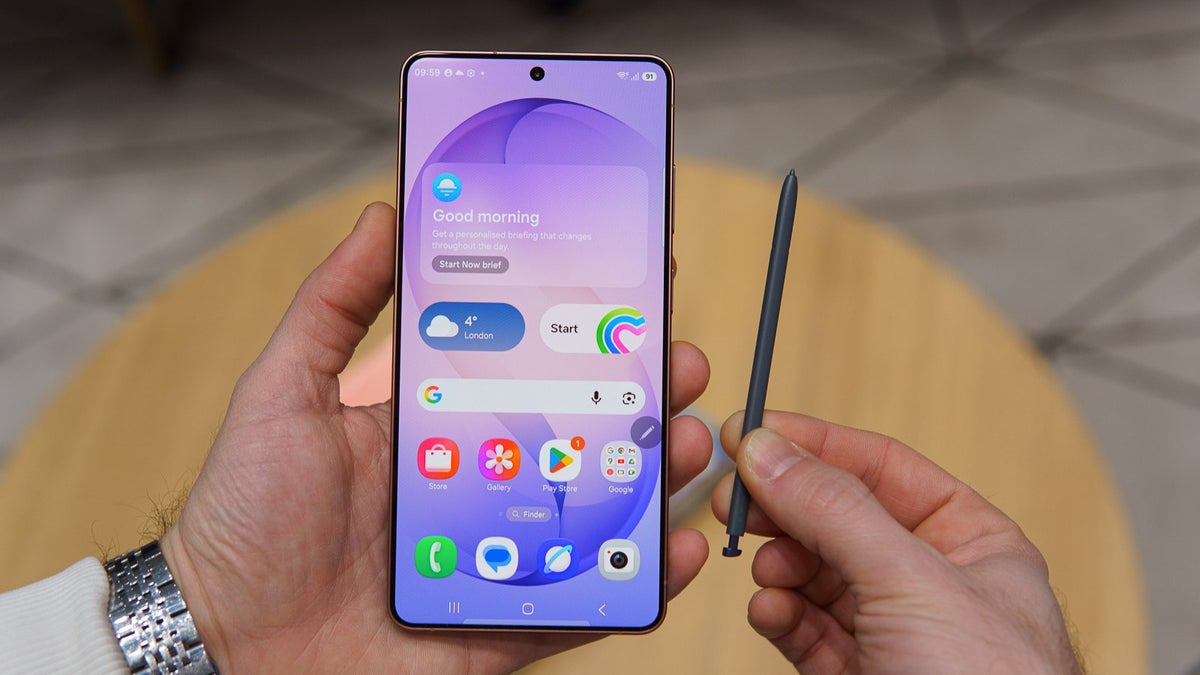
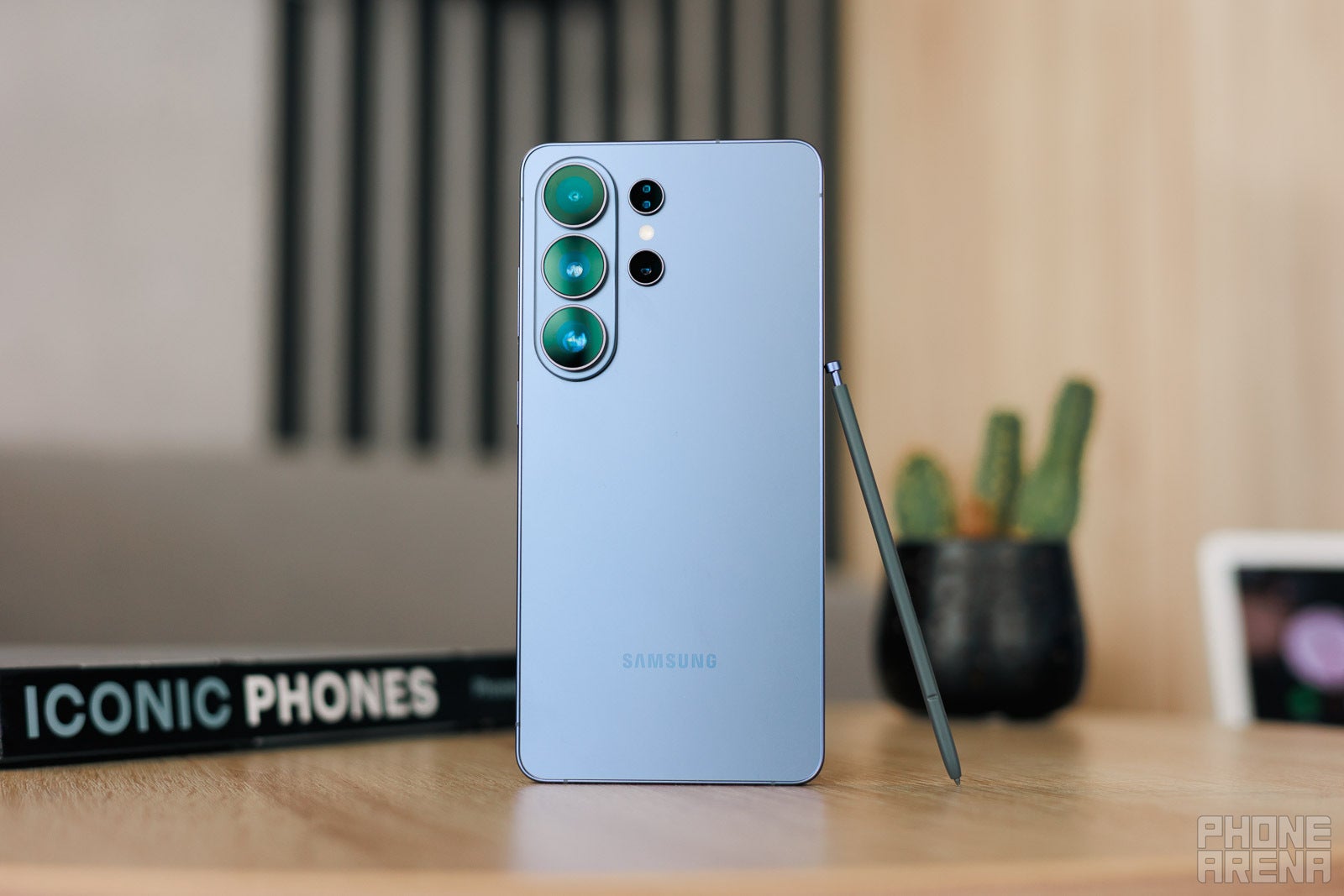
Galaxy S26 Ultra for reference. | Image by PhoneArena
In a February interview, Won-Joon Choi, COO of Samsung’s Mobile Experience Business, said the company is working on a new display structure to keep the S Pen functionality. No details were given, but a reworked S Pen didn't seem entirely out of the question.
Now, a fresh report from ETnews (machine translated) suggests a "reworked" stylus may still be a year (or more) away.
New flagship — same pen
We’re working on a more advanced technology within S Pen to come up with a new structure of display, so the penalty of having S Pen is diminished. TheS Pen will continue to be one of the core technologies.
Won-Joon Choi, COO of Samsung's Mobile Experience Business
Recommended For You
While the Samsung executive hinted at possible S Pen changes, a recent ETnews report claims the digitizer-free pen plans have been paused.
The digitizer is essentially the component that allows stylus input. Samsung relies on Electromagnetic Resonance (EMR) for its S Pen, which forms an electromagnetic field between the S Pen and the screen.
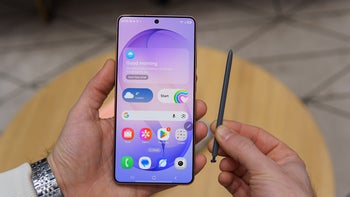
The Galaxy S26 Ultra and the S Pen go hand in hand. | Image by PhoneArena
But since the components are placed within the display, Samsung essentially has a limit on how thin it can go with its S Pen-supporting flagship phones. Notably, the company removed the digitizer from the Galaxy Z Fold 7, and with it, S Pen support was also removed — but the device was just 4.2 mm unfolded.
Recommended For You
Do you think a new S Pen design is actually necessary?
Supposedly, Samsung could have been working on a different S Pen technology to make its upcoming S27 Ultra noticeably thinner. But if plans to change the S Pen have been dropped for the time being, then next year's device stylus could use the same EMR as the Galaxy S26 Ultra... and the S25 Ultra, for that matter. Next year's flagship probably won't be much thinner, either.
What technology could Samsung have employed?
One alternative to EMR technology is active electrostatics (AES). This method integrated an active signal transmitter and a battery into a stylus, eliminating the electromagnetic field between a pen and a display. But it also makes the stylus noticeably thicker.
The Korean outlet explains that Samsung might have been working on a combination of AES and EMR for the S Pen. Supposedly, the plan was to eliminate both the need for a digitizer within the display in order to allow for a thinner chassis and a battery housed in the stylus to keep the S Pen itself sleek and lightweight.
Since Samsung has reportedly put a pause on this particular design approach for the S Pen (at least on the Galaxy S27 Ultra), this could suggest the company hasn't found the right formula yet.
Finding the perfect formula doesn't seem to be very easy... but the S Pen on the S25 Ultra works great, right? | Image by PhoneArena
In any case, the current EMR standard is most likely the main reason why Samsung hasn't built Qi2 wireless charging features right into its devices and has decided to opt for accessories with Qi2 support instead. This global wireless charging standard uses magnets, which could interfere with the S Pen's EMR, potentially causing "dead zones" on the display — the S Pen could simply not work.
So, if Samsung wants to get on board with modern wireless charging standards, it will definitely have to work on adopting a way that allows both technologies to coexist on the Galaxy S Ultra devices.
The logical conclusion
Here's how I see it — removing the EMR digitizer to allow for both Qi2 support and S Pen input is more than welcome. But aiming to adopt an all-new technology for the sole purpose of making the next flagship thinner doesn't sit right.
For one thing, the Galaxy S25 Edge didn't achieve the mainstream praise Samsung may have hoped for. The same goes for the iPhone Air, by the way. So, there's clearly no point in striving for the thinnest possible design.
So, sticking with the well-known technology (Samsung has been utilizing EMR for its styluses for years) could play out better than diving into unfamiliar waters — especially when we're talking about one of the company's most important devices.
Polina Kovalakova, a News and Affiliate Content Writer, has nurtured a passion for mobile technology since the era before smartphones. With a history of exploring a variety of devices, her insights into the mobile world are both broad and nuanced. Polina's non-partisan view extends to appreciating nearly every smartphone brand, a reflection of her open-minded approach to technology. Polina is equally passionate about uncovering the best online deals, tirelessly working to ensure her readers snag top-tier tech at unbeatable prices.
A discussion is a place, where people can voice their opinion, no matter if it
is positive, neutral or negative. However, when posting, one must stay true to the topic, and not just share some
random thoughts, which are not directly related to the matter.
Things that are NOT allowed:
Off-topic talk - you must stick to the subject of discussion
Offensive, hate speech - if you want to say something, say it politely
Spam/Advertisements - these posts are deleted
Multiple accounts - one person can have only one account
Impersonations and offensive nicknames - these accounts get banned
To help keep our community safe and free from spam, we apply temporary limits to newly created accounts:
New accounts created within the last 24 hours may experience restrictions on how frequently they can
post or comment.
These limits are in place as a precaution and will automatically lift.
Moderation is done by humans. We try to be as objective as possible and moderate with zero bias. If you think a
post should be moderated - please, report it.
Have a question about the rules or why you have been moderated/limited/banned? Please,
contact us.









Things that are NOT allowed:
To help keep our community safe and free from spam, we apply temporary limits to newly created accounts: