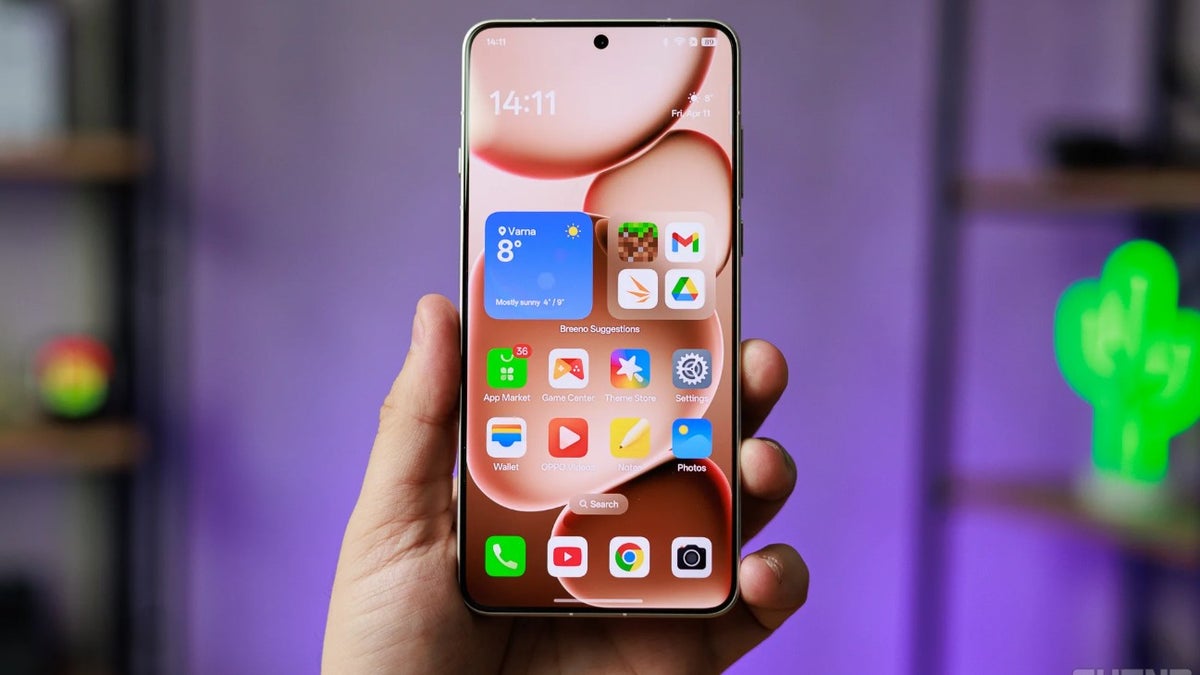
Bloatware on an Oppo device. | Image by PhoneArena
You just got a flagship smartphone, and the first thing you see after setting it up is that it already has plenty of third-party apps installed. You'd really get mad, thinking bloatware is the last thing you expected on a $1,000 flagship device. That's actually what I thought would be the case for most users. Unfortunately, our poll results indicate that most of our readers are actually fine with bloatware on their devices, as long as the brands fulfill this one key condition.
Bloatware is acceptable only if...
I recently covered a story on the number of unwanted apps that come pre-installed on the Samsung Galaxy S26 Ultra. The point of the article is basically that I don't want to see any kind of bloatware, at least not on a smartphone that starts at $1,300. I also included a poll in the story where I asked you guys to share your thoughts on bloatware in a flagship device.
I accepted that most of you would be completely against it, but surprisingly, the poll results indicate that you're totally fine with bloatware on your phone as long as brands give you the option to uninstall it. More than 50% of voters selected the option that aligned with this approach.
Recommended For You
Now that I've given the scenario a second thought, I think you guys are right. These apps make sure that your phone is ready to use from the moment you set it up. For instance, on a Samsung device, both Google Chrome and Samsung Internet come pre-installed.
This ensures that you can connect to the online world right after setting up your Samsung device, instead of having to open the Play Store and download a browser. And since different users have different preferences, shipping devices with multiple apps of a particular genre can help the brand serve most of its customers. If you don't like any particular bloatware, you can simply uninstall it.
Fortunately, most smartphone makers give you the choice to remove these pre-installed apps from their devices. For instance, on the Galaxy S26 Ultra, you can easily uninstall unwanted pre-installed apps like LinkedIn, Link to Windows, and more.
How much bloatware is acceptable on a flagship phone?
It all comes down to how much control you have
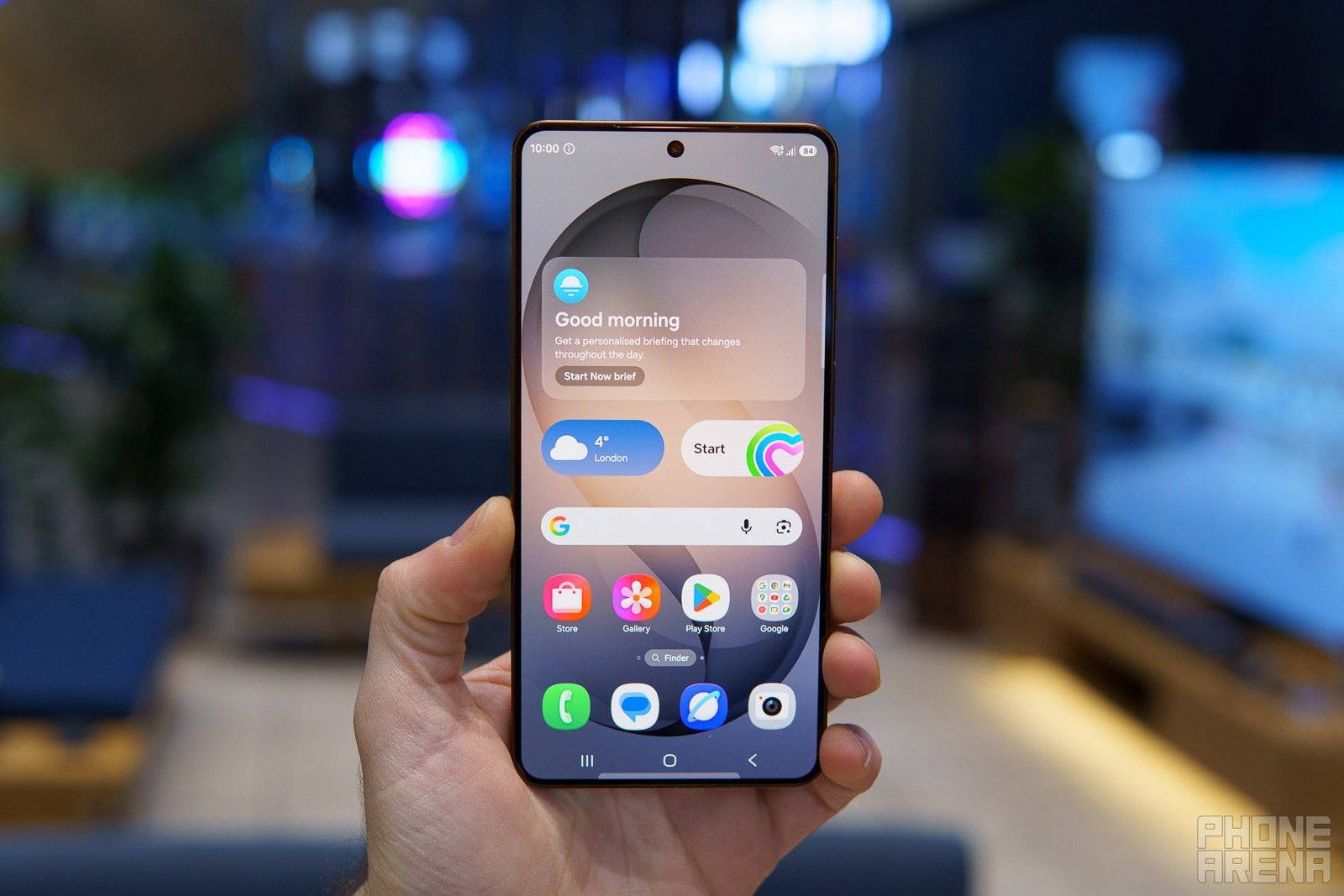
Samsung Galaxy S26 Plus. | Image by PhoneArena
"Uninstall" is the main condition here, and you usually have the option to uninstall most bloatware from your smartphone. However, certain apps on phones from some brands can't be uninstalled even if you don't use them. You only have the option to disable them.
For instance, my mother owns a budget Poco device (Poco X6 Pro) that has its own Play Store alternative called GetApps. Unfortunately, there's no official way to uninstall it. Rooting the device could certainly help remove such apps, but it requires a lot of technical knowledge, and most average users would not want to take this approach.
In a similar incident, Nothing recently received a lot of criticism for not allowing users to uninstall pre-installed Meta apps. Fortunately, after significant backlash, the company rolled out an update that lets users remove those apps from Nothing phones.
In essence, bloatware is manageable on any smartphone as long as users have the right to uninstall it. Instead of allowing certain apps to be only disabled, brands should give users control to decide whether to disable a particular app or remove it permanently from their device.
Aman Kumar is a tech news writer with a long-standing passion for smartphones. Aman specializes in everything smartphones, from AI features like Pixel’s Camera Coach to understanding ideal hardware combinations. He loves breaking down complex features in a simple, clear way and hopes manufacturers bring back bold designs like the Nokia N-Gage. When he’s not writing, he’s either gaming on PUBG or talking fitness as a dedicated gym enthusiast.
A discussion is a place, where people can voice their opinion, no matter if it
is positive, neutral or negative. However, when posting, one must stay true to the topic, and not just share some
random thoughts, which are not directly related to the matter.
Things that are NOT allowed:
Off-topic talk - you must stick to the subject of discussion
Offensive, hate speech - if you want to say something, say it politely
Spam/Advertisements - these posts are deleted
Multiple accounts - one person can have only one account
Impersonations and offensive nicknames - these accounts get banned
To help keep our community safe and free from spam, we apply temporary limits to newly created accounts:
New accounts created within the last 24 hours may experience restrictions on how frequently they can
post or comment.
These limits are in place as a precaution and will automatically lift.
Moderation is done by humans. We try to be as objective as possible and moderate with zero bias. If you think a
post should be moderated - please, report it.
Have a question about the rules or why you have been moderated/limited/banned? Please,
contact us.









Things that are NOT allowed:
To help keep our community safe and free from spam, we apply temporary limits to newly created accounts: