Grandfathered AT&T customers get a price hike, but not for the reason AT&T claims
AT&T's legacy customers will pay more for their service as the carrier tries to force these customers to move up or out.
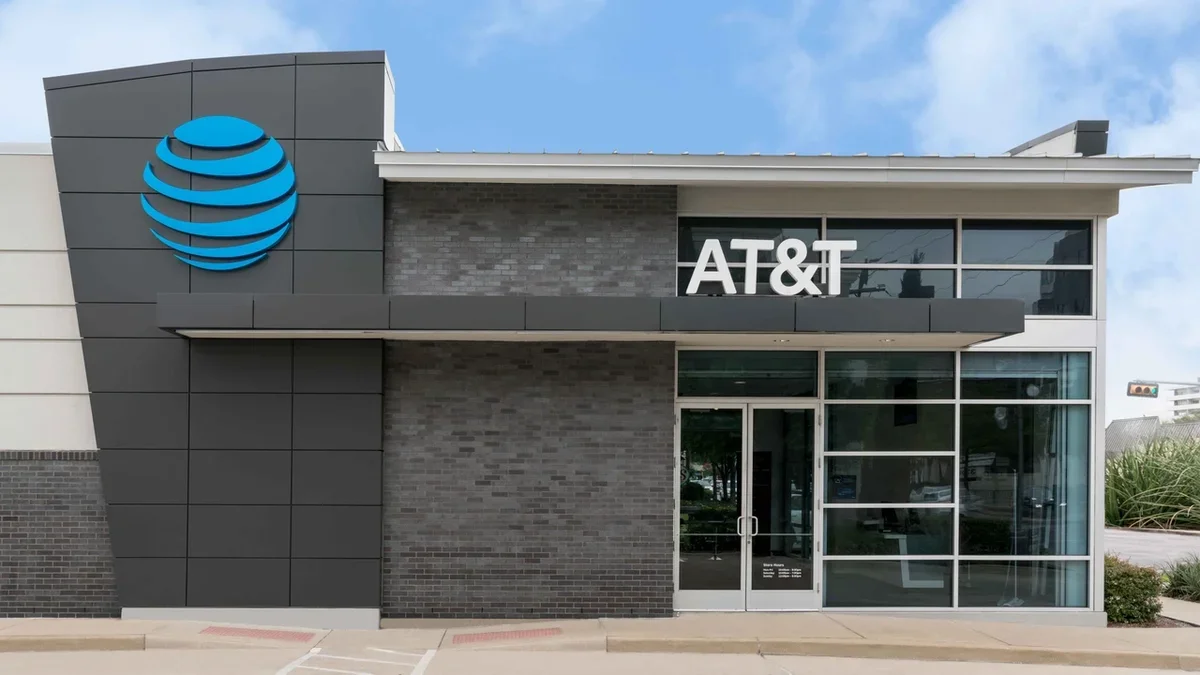
AT&T hikes prices of legacy plans. | Image by PhoneArena
Last week, AT&T introduced its revised unlimited phone plans. At the same time it announced these new options for its subscribers, the carrier posted a support page that apparently was overlooked when it was originally released. In the post, AT&T says that starting next month, some of its retired unlimited plans (known as legacy plans) will go up in price. These are wireless plans that were active before July 24, 2025.
- A single line on a legacy plan will see its price rise by $10 a month.
- Accounts with multiple lines on a legacy plan will see the overall price rise by $20 per month. This is not a $20 per line price hike each month.
AT&T's support page explains why it hiked the legacy plan rates, but we know the real reason
On the support page, AT&T explains why it is raising the prices on its legacy plans. "This change helps us continue providing reliable network service, quality products, and great customer experiences."
Will you leave AT&T after your legacy plan's price hike?
In an attempt to take some of the pain out of the price increase, AT&T is adding an extra 20GB of hotspot data each month. If you want to stay on your current legacy plan, you don't have to do anything. "Just continue to enjoy your existing plan benefits," AT&T says.

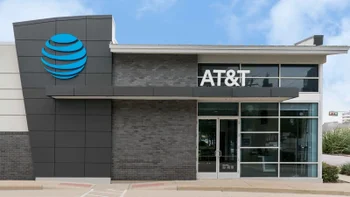
AT&T CEO John Stankey needs to come up with a brand identity for the carrier. | Image by AT&T
There is a reason why carriers like to hike pricing on legacy plans. Because they typically are cheaper and less profitable than a wireless provider's current offerings, prices rise in an attempt to get legacy plan users to switch to a more profitable plan. The decision to hike legacy plan pricing should result in higher revenue and profits for AT&T. As a result, the carrier's shares bucked the trend on Wall Street Friday. Despite a massive 444 point drop in the Dow Industrials (-0.96%), AT&T shares rose 2.57% or 57 cents to close the week at $28.31.
AT&T's Q4 churn rate was a huge warning that its customers were heading for the exit doors
Last year, AT&T customers left for the exit in droves to the benefit of Verizon and T-Mobile. Over the last three quarters of 2025, AT&T's postpaid phone churn rate, or the percentage of its postpaid phone subscribers that left AT&T, rose from .87% during the second quarter (up 8 basis points year-over-year), to .92% for the third quarter (up 9 basis points year-over-year). The fourth quarter of 2025 was a fiasco for the carrier as it revealed a .98% postpaid phone churn for the last quarter of the year. The big news was that it was a 13 basis point year-over-year increase.
We have to assume that by the end of last year, AT&T executives realized that the company had a problem. Even though the wireless provider added 1.55 million net postpaid phone adds last year, a number that seems bullish on its face, it was a 10% decline from 2024's numbers.
What AT&T needs to do to compete with T-Mobile and Verizon
What AT&T needs at this point is a marketing plan. When you think about T-Mobile, you think of the Un-carrier, T-Mobile Tuesdays, and the advertising campaigns starring Scrubs' Zach Braff and Donald Faison. Verizon is still known as the "premium" wireless service provider; this is the reputation that the company wanted to have with its famous "Can you hear me now?" ads depicting a Verizon field technician constantly testing for a better signal. Those commercials pre-date the modern smartphone era.
AT&T is lacking a brand identity. From 2007 to 2011, the carrier practically tied its wireless identity to the iPhone during those years. Sure, AT&T had a popular and long-running ad campaign starring actress Milana Vayntrub as saleswoman Lily Adams. Despite the long run, the ads failed to define AT&T to consumers.
The U.S. wireless landscape is changing. With T-Mobile in the midst of transitioning to become a digital carrier, and Verizon supposedly putting customers over profits, AT&T must figure out what part of the U.S. wireless landscape it wants, and let the public know through a marketing blitz.

Follow us on Google News





Things that are NOT allowed:
To help keep our community safe and free from spam, we apply temporary limits to newly created accounts: