This article may contain personal views and opinion from the author.
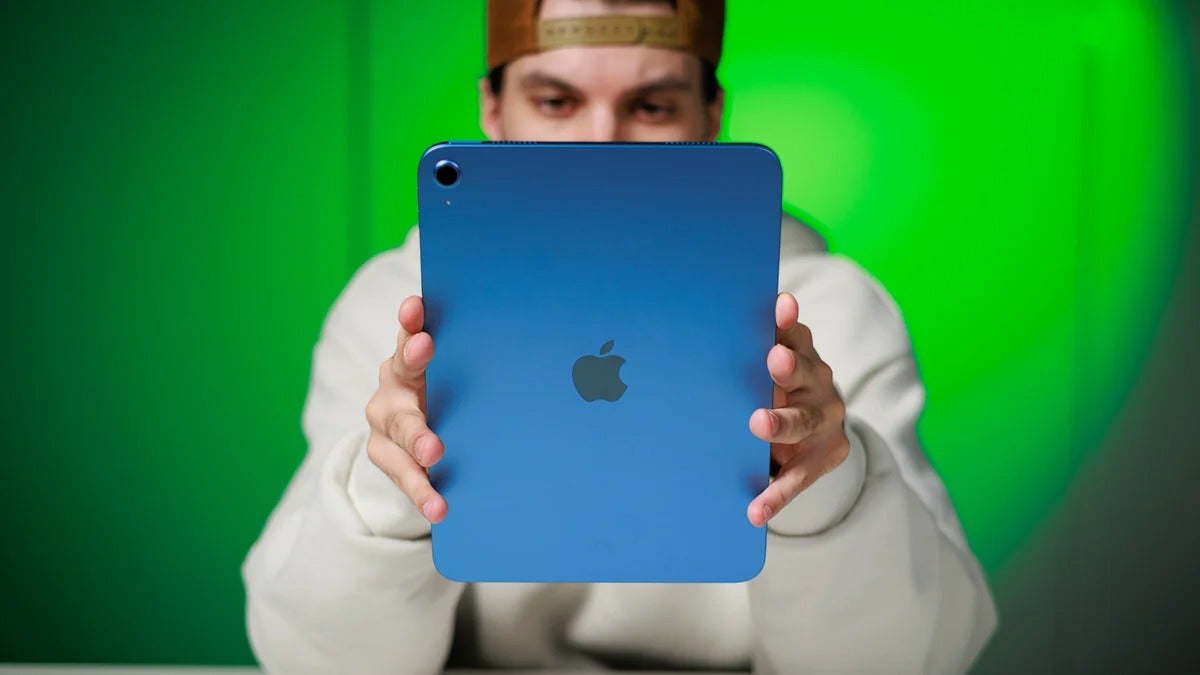
We might see fewer iPad models in the future. | Image by PhoneArena
The iPad is one of Apple’s most iconic products, and it has helped the company keep a comfortable lead in the tablet industry, selling tens of millions of units every year.
But the iPad is on its way to either being completely overhauled as a product or disappearing from Apple’s stores altogether. Don’t believe me? Let’s take a look at the bigger picture as of late.
The iPad’s biggest threat to date: Apple’s own MacBook Neo
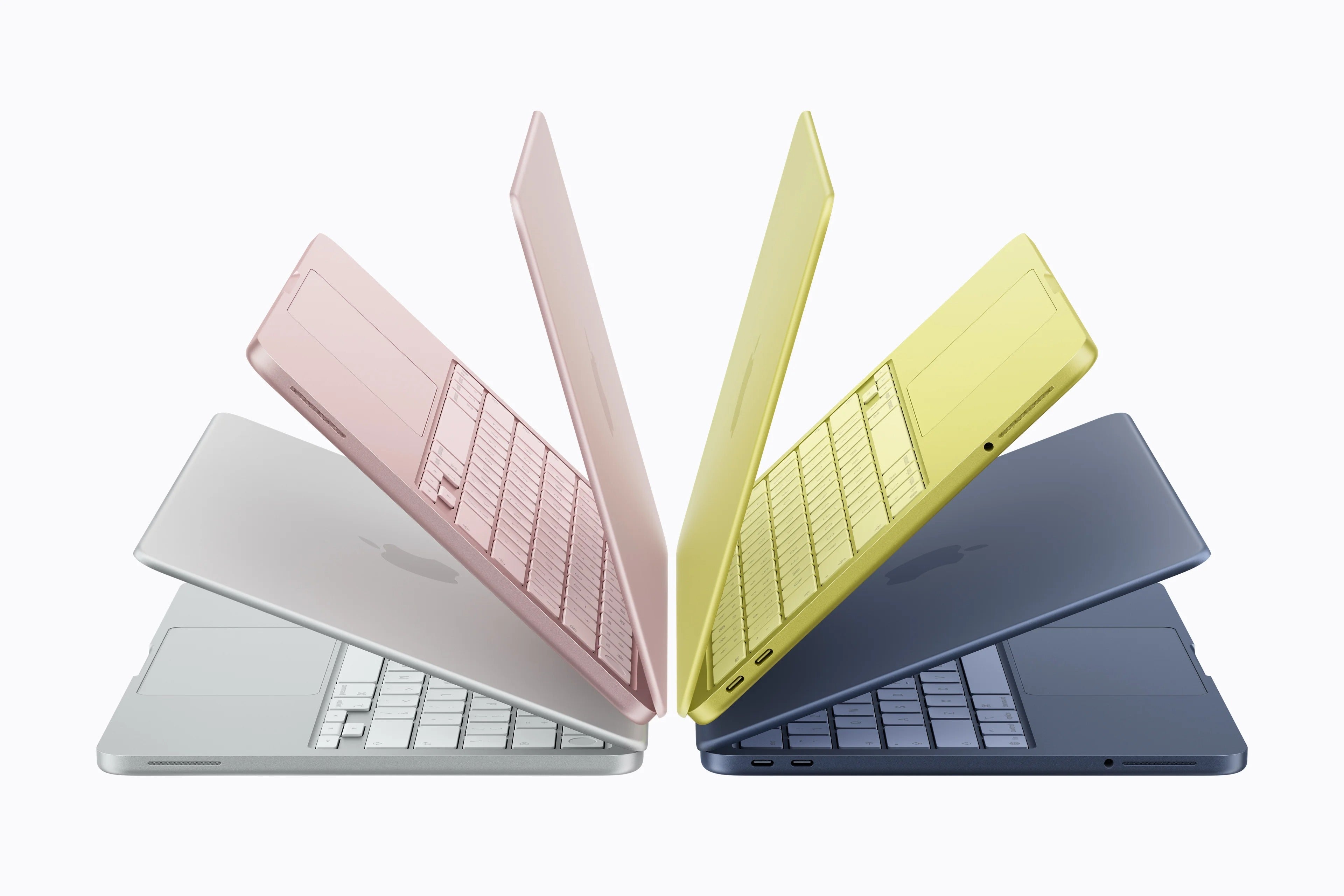
The biggest threat to the iPad is not Android. It is Apple’s own $599 MacBook Neo. | Image by Apple
First and foremost, we have to start with the most serious threat we’ve seen to the iPad since it came out.
Apple’s new budget laptop, the MacBook Neo, starts at $599, or $499 with education pricing. It is probably the best-value product Apple has ever made, and it includes a lot of the things people buy an iPad setup for in the first place.
Inside the Neo, there is the A18 Pro chip, and don’t let the fact that it’s a phone chip fool you—it is plenty capable of running everything most people use their laptops for. You also get a beautiful 13-inch display, a keyboard, a trackpad, multiple ports, and a full desktop operating system with macOS. In other words, it’s already a complete productivity device out of the box.
Recommended For You
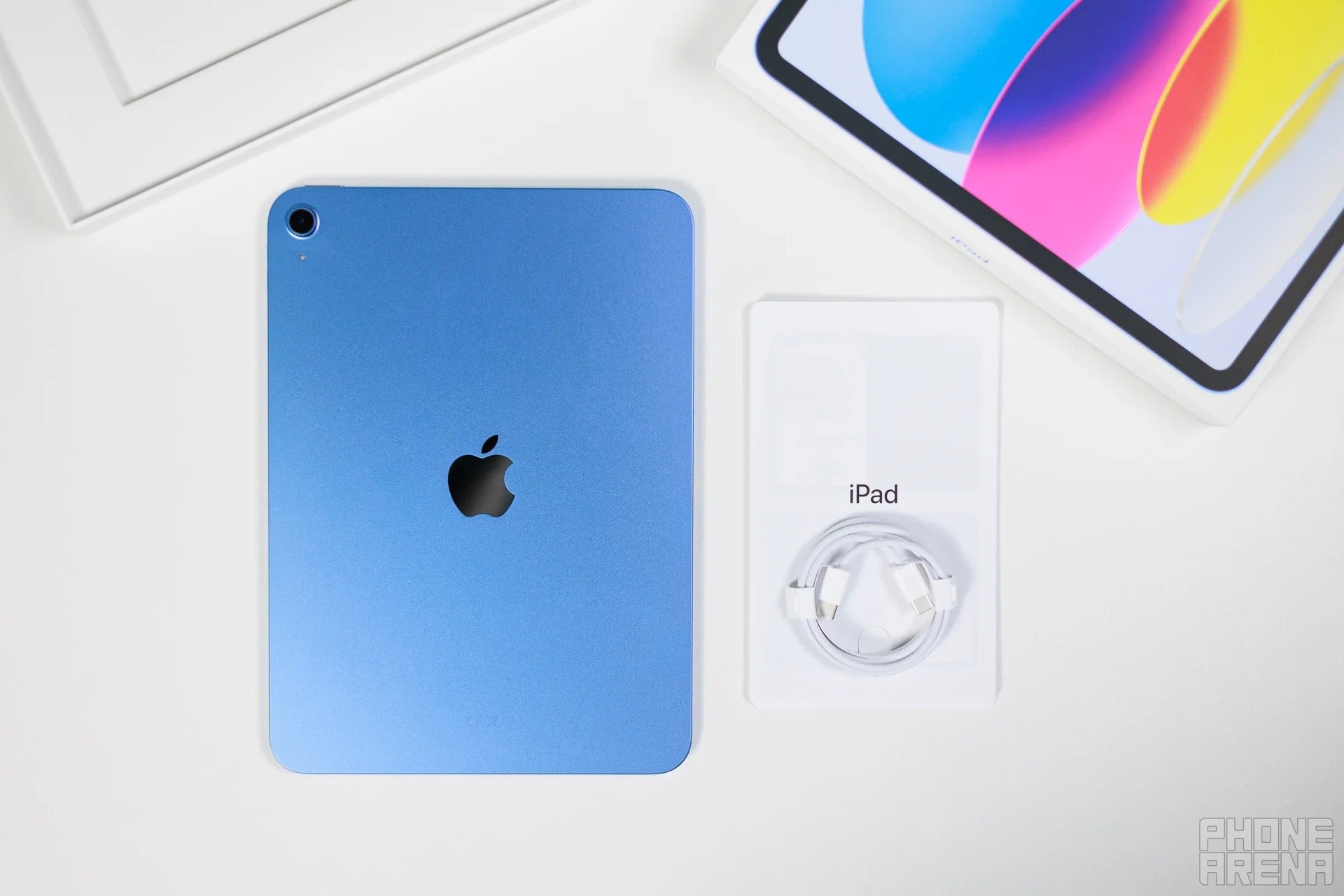
At $700, the iPad setup costs more than a MacBook and still does less. | Image by PhoneArena
Now compare that with the base iPad.
A base iPad may start at $349, but if you want a configuration that resembles a laptop setup, that number rapidly starts to increase.
Once you upgrade to a model with 256 GB of storage the price rises to about $449. With Apple’s Magic Keyboard Folio, it suddenly comes to a total of $700.
At that point, you are paying more than the MacBook Neo while still running iPadOS instead of macOS. Oh, and you get a much less capable chip inside.
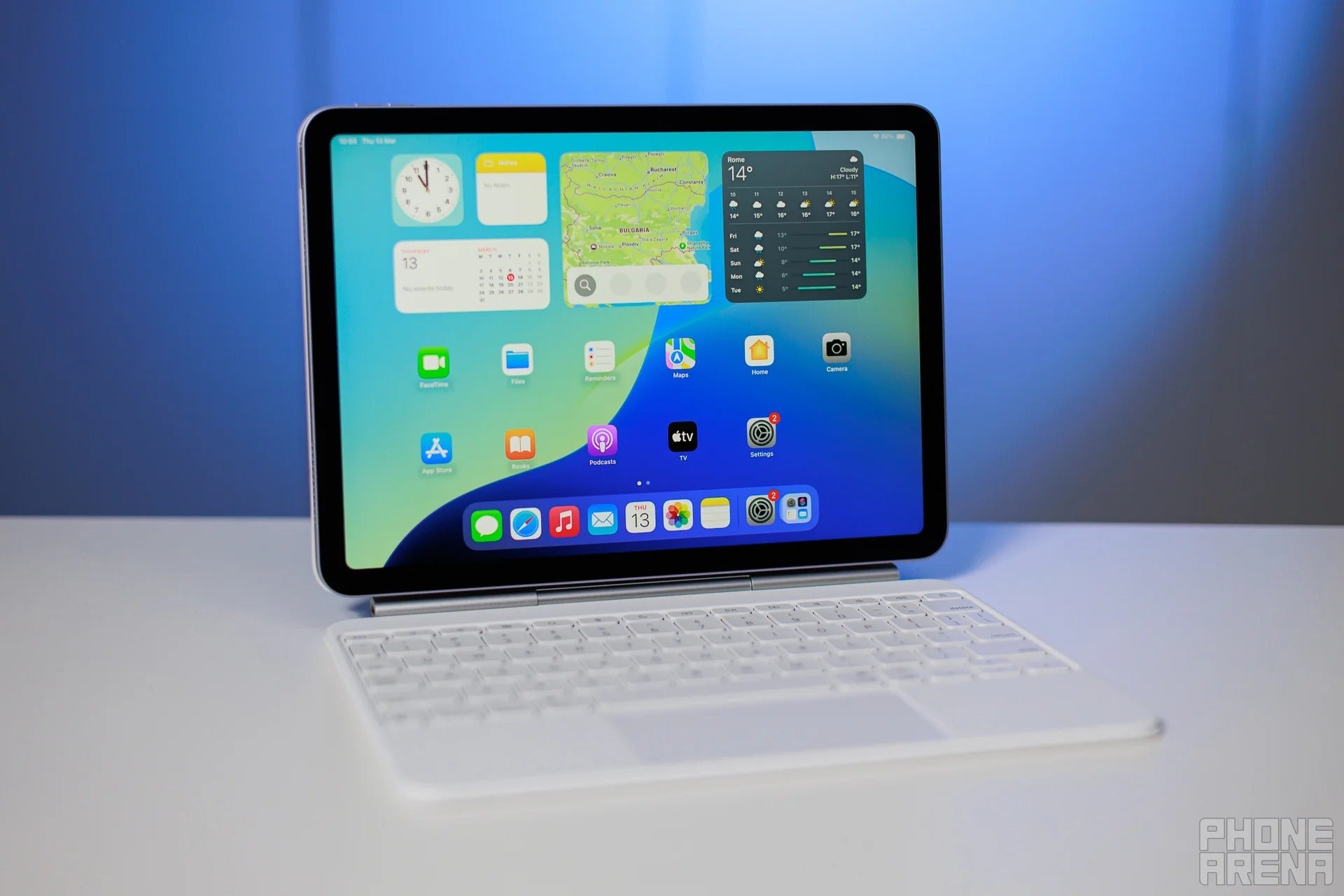
Pay more for an iPad Air setup, or less for a full MacBook. That is a tough sell for the iPad. | Image by PhoneArena
The price gap is even worse if you compare the Neo with the iPad Air. A 256 GB iPad Air starts at $699, and adding a Magic Keyboard pushes the price to $968. Meanwhile, the MacBook Neo costs hundreds of dollars less and comes with a keyboard and trackpad included.
And as I said, the Neo’s hardware is surprisingly capable, probably more than you expect. The A18 Pro chip performs close to Apple’s original M1 processor in many tasks, particularly single-threaded workloads like web browsing, messaging, schoolwork, and light productivity. It even supports hardware-accelerated ray tracing and AI features thanks to its neural engine.
Moreover, it comes with a fanless design (meaning it is quiet), a 36 Wh battery rated for up to 16 hours of video playback, and a weight of just 1.23 kg. All of this makes it extremely compelling, especially for students—one of the main target audiences for iPads too.
The foldable iPhone could replace the iPad’s portability factor
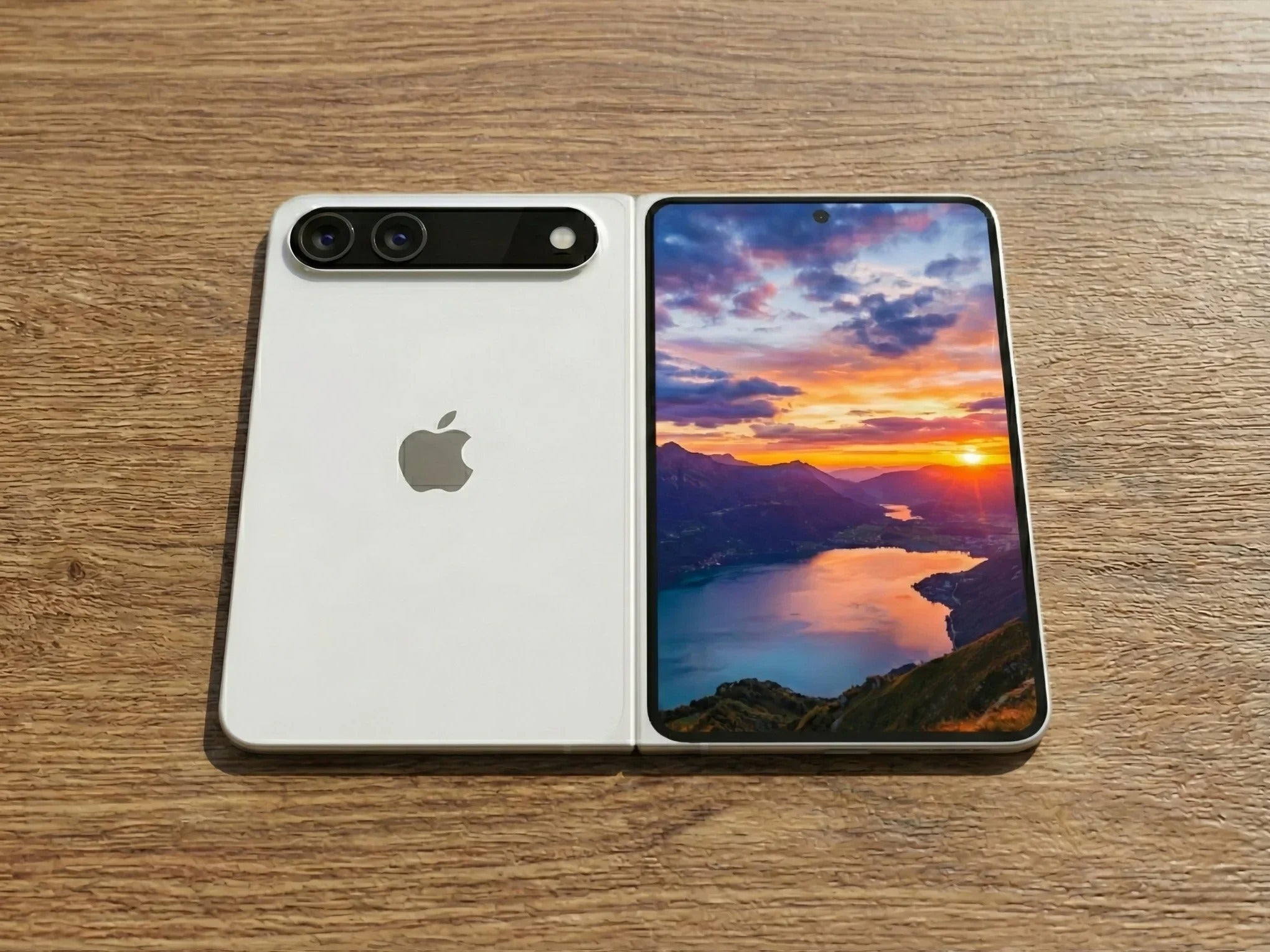
A foldable iPhone could turn into a mini iPad, making Apple’s tablet lineup harder to justify. | Image by IceUniverse
While the MacBook Neo challenges the iPad from a productivity standpoint, Apple’s rumored foldable iPhone might replace the other fundamental part of the tablet experience.
Apple is said to introduce changes in iOS 27 that are specifically tailored to the upcoming foldable iPhone. For example, when the phone is unfolded, apps will behave like they do on an iPad. Another example is the ability to multitask via split-screen.
In other words, the foldable iPhone will essentially transform into a small iPad when opened. Essentially, it will be like an iPad mini—it will provide a larger screen for tasks like watching videos, reading, gaming, or browsing the web.
Of course, the foldable iPhone would be a lot more expensive than an iPad mini. Currently, that’s the only thing that’s keeping me from being certain that Apple will drop one or more of its iPads.
Apple’s new home hub is basically a fixed iPad
Apple's home hub will be similar to Amazon’s Echo Show speaker. | Image by Amazon
Apple has also been working on a smart home display for a while now.
According to reports from the reputable Mark Gurman, Apple has been working on a new device internally known as J490. The product resembles a square 7-inch display similar to a small iPad, mounted on a speaker base or attached to a wall.
It is said to run a watchOS-style interface with apps and rely heavily on Siri and personalization features. The device is designed to recognize users when they approach and display customized information such as messages, calendars, or smart home controls.
The idea is to create a central control hub for the home, similar to Amazon’s Echo Show or Google’s Nest Hub.
While running a watchOS-style interface sounds nothing like the iPad, the general functionality this product would provide already matches one way people use their iPads at home.
Apple is even targeting a price of around $350, which puts the device squarely in the same price territory as its entry-level iPad.
Even Apple’s robotics plans include iPad-like screens
The smart home display is not the end of it, though.
Mark Gurman has also shared that Apple is working on a tabletop robot with a display roughly the size of an iPad mounted on a motorized arm. The device is expected to arrive sometime in 2027 and could move its screen around a workspace or kitchen to interact with users.
Again, this is basically the same concept: a medium-sized display with interactive software that can help you be more efficient and productive at home. The difference with the smart home display is that this one is attached to a robot.
The iPad’s identity crisis
Each of these products cannot replace the iPad on its own. Together, however, they make the iPad’s existence come with a question mark.
When the iPad launched in 2010, its purpose was to fill the hole between the iPhone and the Mac. It was larger than a phone but simpler than a computer. That said, Apple’s ecosystem looks very different today.
The MacBook Neo now offers a cheap entry point into macOS, which is better suited for productivity compared to iPadOS. The foldable iPhone will provide a portable tablet experience inside a phone. The home hub turns the tablet into a stationary household interface, and it might even be empowered by future robotics.
Each of these devices absorbs a small part of the iPad’s original role.
So is Apple killing the iPad?
Probably not, but I do wonder if we will still have such a wide variety of iPads in the future.
The iPad still fills an important niche right now, especially for education, creative work with the Apple Pencil, and media consumption. And Apple continues to update the lineup with faster processors and new features.
However, the iPad no longer fits the space between phone and laptop as tightly.
My prediction is that Apple will reduce the iPad to a single model in the future, one that is highly specialized in a way that none of the products I mentioned are. I’m talking about creativity. That’s the iPad’s strongest selling point (combined with the Apple Pencil, of course). If Apple tailors the iPad for that single purpose, it can remain a viable product going forward.
Aleksandar is a tech enthusiast with a broad range of interests, from smartphones to space exploration. His curiosity extends to hands-on DIY experiments with his gadgets, and he enjoys switching between different brands to experience the latest innovations. Prior to joining PhoneArena, Aleksandar worked on the Google Art Project, digitizing valuable artworks and gaining diverse perspectives on technology. When he's not immersed in tech, Aleksandar is an outdoorsman who enjoys mountain hikes, wildlife photography, and nature conservation. His interests also extend to martial arts, running, and snowboarding, reflecting his dynamic approach to life and technology.
A discussion is a place, where people can voice their opinion, no matter if it
is positive, neutral or negative. However, when posting, one must stay true to the topic, and not just share some
random thoughts, which are not directly related to the matter.
Things that are NOT allowed:
Off-topic talk - you must stick to the subject of discussion
Offensive, hate speech - if you want to say something, say it politely
Spam/Advertisements - these posts are deleted
Multiple accounts - one person can have only one account
Impersonations and offensive nicknames - these accounts get banned
To help keep our community safe and free from spam, we apply temporary limits to newly created accounts:
New accounts created within the last 24 hours may experience restrictions on how frequently they can
post or comment.
These limits are in place as a precaution and will automatically lift.
Moderation is done by humans. We try to be as objective as possible and moderate with zero bias. If you think a
post should be moderated - please, report it.
Have a question about the rules or why you have been moderated/limited/banned? Please,
contact us.















Things that are NOT allowed:
To help keep our community safe and free from spam, we apply temporary limits to newly created accounts: