Google Pixel 10a vs Samsung Galaxy A37 vs Galaxy A57: Expected differences
Three phones, and none of them could afford to be bold.

We may earn a commission if you make a purchase from the links on this page.
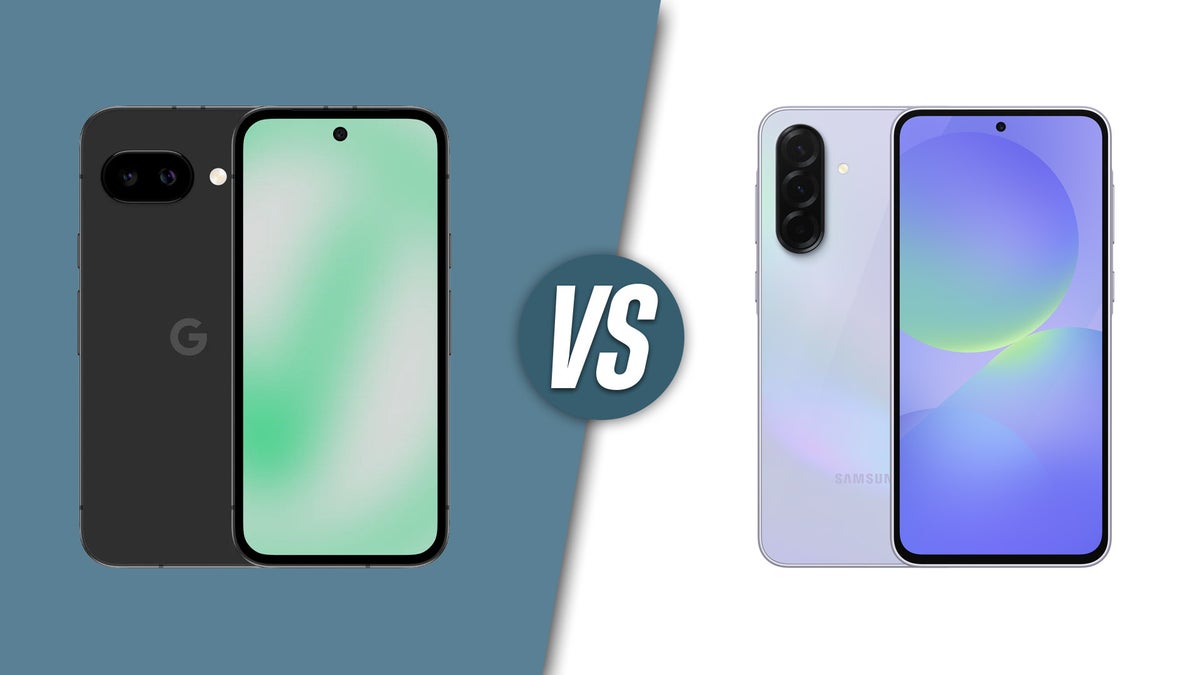
The Pixel 10 on the left vs Galaxy A56 (for representational purposes) on the right. | Images by Google and Samsung
Early 2026 is shaping up to be crowded in the upper mid-range segment. Google’s Pixel 10a is now official, while Samsung’s Galaxy A57 and Galaxy A37 are expected to follow shortly. All three share strong similarities such as long software support, solid cameras, and dependable battery life for $500 or less.
Early 2026 is shaping up to be crowded in the upper mid-range segment. Google’s Pixel 10a is now official, while Samsung’s Galaxy A57 and Galaxy A37 are expected to follow shortly. All three share strong similarities such as long software support, solid cameras, and dependable battery life for $500 or less.
But there are some differences between these three phones that need to be considered before picking one of them. The Pixel 10a, for example, offers arguably the best display in its class, and on top of its upgraded wired charging it also comes with wireless charging.
Samsung's Galaxy A57 will likely have a more capable chipset compared to Google's Tensor G4 in the 10a and a more premium design. The Galaxy A37 trims down some of the specs to reach a more affordable price, making it more accessible.
So, which one is most worthy of your money then?
Google Pixel 10a vs Samsung Galaxy A57/37 expected differences:
| Google Pixel 10a | Samsung Galaxy A57* | Samsung Galaxy A37* |
|---|---|---|
| Tensor G4, AI-oriented | Exynos 1680 with stronger graphics performance | Exynos 1480, weaker performance |
| Fast UFS 3.1 storage | Fast UFS 3.1 storage | Slower UFS 2.2 storage |
| 8 GB of RAM | 8 GB of RAM | 8 GB of RAM |
| Wide and ultrawide cameras with higher image quality | Wide, ultrawide, and macro cameras with worse image quality | Wide, ultrawide, and macro cameras: similar to A57 |
| 4K 60FPS video with OIS | 4K 30FPS video with EIS | 4K 30FPS video with EIS |
| Excellent display brightness | Good display brightness | Good display brightness |
| Around 8 hours of estimated battery life | Around 7 hours of estimated battery life | Around 6 hours and 30 minutes of estimated battery life |
| Same wired charging, plus wireless | Very fast wired charging, no wireless | Decent wired charging, no wireless |
| 7 years of software support | 6 years of software support | 6 years of software support |
| Plastic back and frame | Metal frame and durable glass back | Plastic frame and durable glass back |
| IP68 certified for dust and water protection | IP67 certified for dust and water protection | IP67 certified for dust and water protection |
| $500 expected starting price | $500 expected starting price | $400 expected starting price |
*rumored/expected
Table of Contents:
Design and Size
Familiar mid-range designs with different priorities

All Google Pixel 10a colors | Image by Google
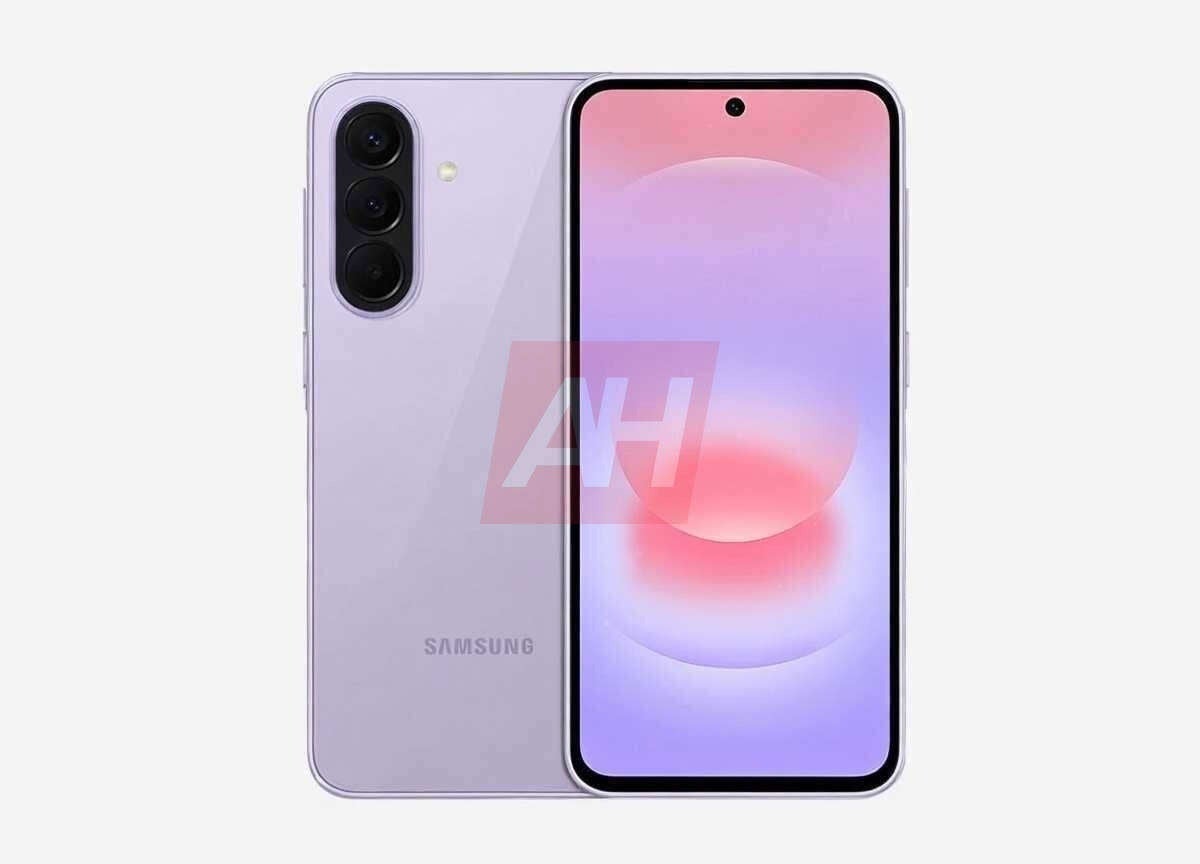
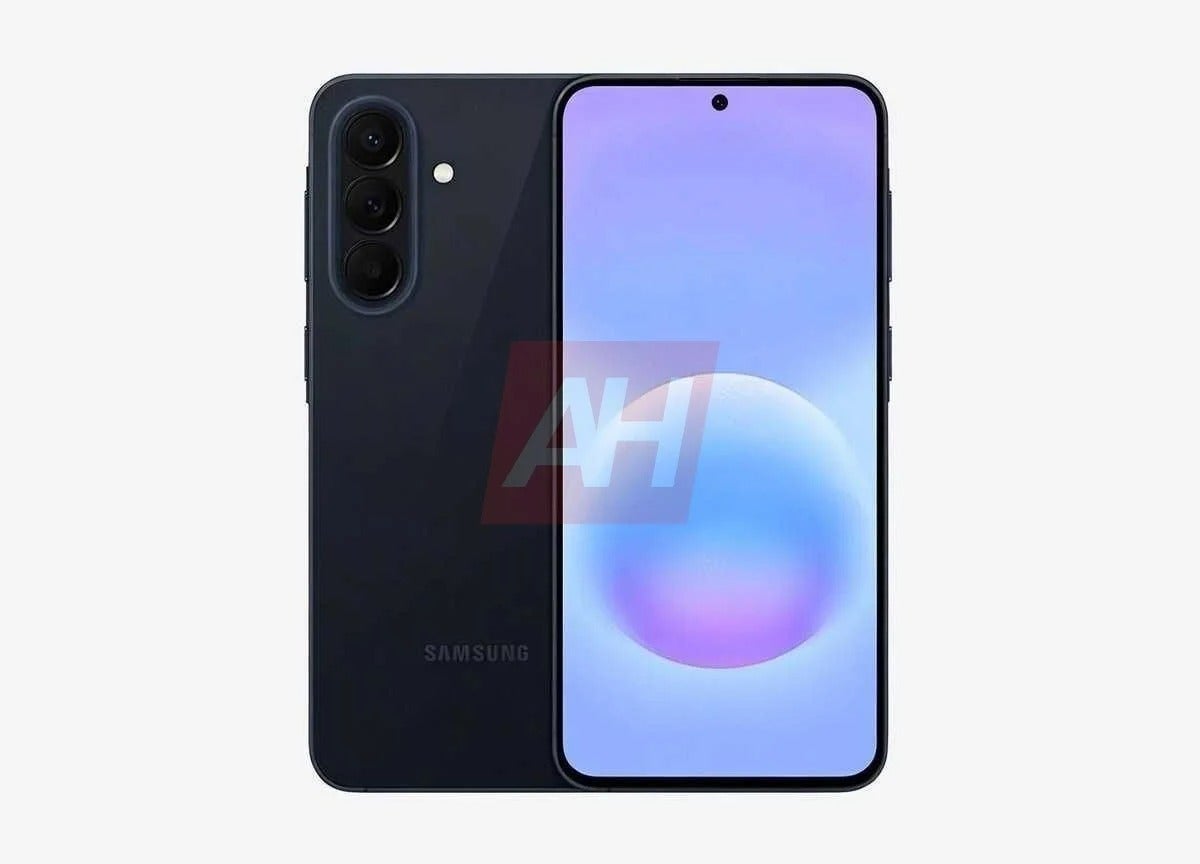
The Pixel 10a comes with the same minimalist design we saw from the last generation, featuring a flat back with flush cameras, allowing the phone to lie flat on a table. It comes with an aluminum frame and a plastic back panel. It is slightly larger this year, measuring 153.9 mm tall, 73.0 mm wide, and 9.0 mm thick, with a weight of 183 grams. That makes it the Pixel 10a the most compact and the lightest phone in this comparison.
Samsung’s Galaxy A57 and A37 are expected to be taller and wider than the Pixel 10a. The A57 is rumored to use a metal frame with a glass back panel, giving it a more premium feel than Google's midranger. The A37, on the other hand, will likely stick with a plastic frame and a glass back.
Samsung’s Galaxy A57 and A37 are expected to be taller and wider than the Pixel 10a. The A57 is rumored to use a metal frame with a glass back panel, giving it a more premium feel than Google's midranger. The A37, on the other hand, will likely stick with a plastic frame and a glass back.
| Google Pixel 10a | Samsung Galaxy A57* | Samsung Galaxy A37* |
|---|---|---|
| Thickness 9 mm | Thickness 7.4 mm | Thickness 7.4 mm |
| Dimensions 153.9 x 73 mm | Dimensions 162.2 x 77.5 mm | Dimensions 162.9 x 78.2 mm |
| Weight 183 grams | Weight Around 198 grams | Weight Around 195 grams |
In 2026 it seems durability is no longer unreachable for mid-range phones. The Pixel 10a now uses Gorilla Glass 7i on the front, a notable upgrade over previous “a” models. Samsung is expected to continue using Gorilla Glass Victus Plus on both the A57 and A37, which gives them an edge over the 10a.
As for dust and water resistance, the Pixel 10a comes with an IP68 rating, which is only slightly better than the IP67 rating we expect from both Samsung models.
Display Differences
Samsung’s is known for its high-quality OLED panels, even when it comes to its mid-range series. Both the A57 and A37 are expected to feature 6.7-inch 120 Hz AMOLED displays with peak brightness at around 1,900 nits.
Google, however, has been topping the charts the last few years when it comes to display quality. The Pixel 10a uses a smaller 6.3-inch OLED panel with a 60 to 120 Hz adaptive refresh rate. However, it pulls ahead decisively when it comes to brightness. The display reaches up to 3,000 nits, making it one of the brightest screens in its class.
| Google Pixel 10a | Samsung Galaxy A57* | Samsung Galaxy A37* |
|---|---|---|
| Size 6.3" | Size 6.7" | Size 6.7" |
| Brightness 3000 nits (peak) | Brightness 1900 nits (peak) | Brightness 1900 nits (peak) |
*rumored/expected
Performance and Software
Three very different chips
The Pixel 10a runs on Google’s Tensor G4 processor built on a 4 nm process; that's the same chip that powered the Pixel 9a. It comes with 8 GB of fast LPDDR5X RAM and UFS 3.1 storage.
The Galaxy A57 is expected to use Samsung’s Exynos 1680, while the A37 will likely come with the Exynos 1480. Historically, Samsung’s mid-range Exynos chips deliver solid GPU performance compared to Google's Tensor chipsets, which can make them slightly better for gaming or image editing apps.
The Galaxy A57 is expected to use Samsung’s Exynos 1680, while the A37 will likely come with the Exynos 1480. Historically, Samsung’s mid-range Exynos chips deliver solid GPU performance compared to Google's Tensor chipsets, which can make them slightly better for gaming or image editing apps.
However, the A37 will likely still use slower UFS 2.2 storage and LPDDR4 memory, which can definitely be felt while using the phone.
| Google Pixel 10a | Samsung Galaxy A57* | Samsung Galaxy A37* |
|---|---|---|
| Chip Google Tensor G4 | Chip Samsung Exynos 1680 | Chip Samsung Exynos 1480 |
| Process 4 nm | Process 4 nm | Process 4 nm |
| RAM, Storage 8/128 GB 8/256 GB LPDDR5X RAM UFS 3.1 storage | RAM, Storage 8/128 GB 12/256 GB LPDDR5 RAM UFS 3.1 storage | RAM, Storage 8/128 GB 8/256 GB LPDDR4 RAM UFS 2.2 storage |
*rumored/expected
When it comes to software support, the Pixel 10a will have an edge over the A57 and A37. While Samsung is currently the most reliable manufacturer as far as update policies go, it is second to Google.
The 10a comes with Android 16 and will get seven years of OS updates, security patches, and Pixel Feature Drops. Samsung is expected to offer up to six years of support for the A57 and A37, which is still excellent but one year shorter.
It's also worth noting that Google’s Feature Drops add new tools regularly, particularly AI-powered features tied to Google services. Samsung’s One UI updates focus more on customization and ecosystem integration.
Camera
The Pixel 10a will likely live up to its name
The Pixel 10a uses a 48 MP main camera and a 13 MP ultrawide. Those numbers might look modest compared to Samsung’s 50 MP main sensors, but Pixel phones consistently outperform what their camera hardware suggests, thanks to Google’s expertise in computational photography.
The Galaxy A57 and A37 are expected to feature 50 MP main cameras, 8 MP ultrawide cameras, and 5 MP macro. The macro snapper is still considered a gimmick, so I wouldn't count it as a plus on Samsung's phones.
The Galaxy A57 and A37 are expected to feature 50 MP main cameras, 8 MP ultrawide cameras, and 5 MP macro. The macro snapper is still considered a gimmick, so I wouldn't count it as a plus on Samsung's phones.
| Google Pixel 10a | Samsung Galaxy A57* | Samsung Galaxy A37* |
|---|---|---|
| Main 48 MP, f/1.7 25 mm 1/2.0" sensor size | Main 50 MP, f/1.8 24 mm 1/1.56" sensor size | Main 50 MP, f/1.8 24 mm 1/1.56" sensor size |
| Ultrawide 13 MP, f/2.2 120° FOV 1/3.1" sensor size | Ultrawide 8 MP, f/2.2 123° FOV 1/3.06" sensor size | Ultrawide 8 MP, f/2.2 123° FOV 1/4.0" sensor size |
| Macro None | Macro 5 MP, f/1.7 | Macro 5 MP, f/2.4 |
| Selfie 13 MP, F/2.2 1/3.1" sensor size | Selfie 50 MP, F/2.2 Unknown sensor size | Selfie 12 MP, F/2.2 Unknown sensor size |
*rumored/expected
Judging by my experience with previous generations of these phones, I expect the Pixel 10a to produce cleaner low-light images, have better dynamic range, and have more consistent colors. It also supports 4K video at 60 frames per second with optical image stabilization meaning footage will look cleaner and much more stable. Compared to that, the Galaxy A57 and A37 are expected to top out at 4K 30 fps and have electronic stabilization only.
Battery Life and Charging
Longer battery life vs faster charging
One of the Pixel "a" series' strongest selling points is their amazing battery life. The 10a is expected to come with a 5,100 mAh battery, the same as the 9a. The Galaxy A57 is expected to have around 5,000 mAh, while the A37 may use 4,000 mAh.
Judging by how their predecessors compared in our battery life tests, I expect the 10 to confidently lead in this segment. We gave the Pixel 9a an estimated battery life of around 8 hours last year, compared to 7 hours on the Galaxy A56 and 6 hours and 30 minutes on the Galaxy A36.
Charging will speeds will be more evenly matched. The 10a now supports up to 45 W wired charging, which brings it on par with what we expect with Samsung's upcoming mid-rangers. Google also improved the wireless charging, which is now 10 W, albeit without no magnetic wireless charging via PixelSnap.
Judging by how their predecessors compared in our battery life tests, I expect the 10 to confidently lead in this segment. We gave the Pixel 9a an estimated battery life of around 8 hours last year, compared to 7 hours on the Galaxy A56 and 6 hours and 30 minutes on the Galaxy A36.
Charging will speeds will be more evenly matched. The 10a now supports up to 45 W wired charging, which brings it on par with what we expect with Samsung's upcoming mid-rangers. Google also improved the wireless charging, which is now 10 W, albeit without no magnetic wireless charging via PixelSnap.
| Google Pixel 10a | Samsung Galaxy A57* | Samsung Galaxy A37* |
|---|---|---|
| Battery size 5,100 mAh | Battery size 5,000 mAh | Battery size 4,000 mAh |
Charging speeds 45W wired 10W wireless charging USB-C 3.2 | Charging speeds 45W wired No wireless charging USB-C 2.0 | Charging speeds 45W wired No wireless charging USB-C 2.0 |
Samsung’s Galaxy A57 and A37 are also expected to support 45 W wired charging as well but they probably won't include wireless charging. That gives the Pixel 10a a slight edge.
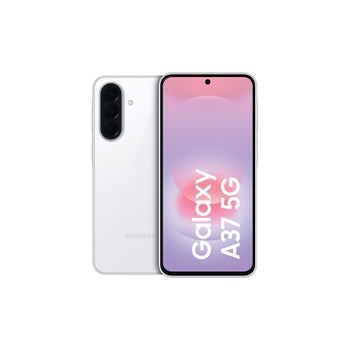
Specs Comparison

|
|
|
| Google Pixel 10a | Samsung Galaxy A57 5G | Samsung Galaxy A37 5G |
| Dimensions | ||
|---|---|---|
| 154.9 x 73.7 x 10.2 | 161.5 x 76.8 x 6.9 (~9.7 mm with camera bump) | 162.9 x 78.2 x 7.4 (~10.1 mm with camera bump) |
| Weight | ||
| 184.0 g | 179.0 g | 196.0 g |
| Size | ||
|---|---|---|
| 6.3-inch | 6.7-inch | 6.7-inch |
| Type | ||
| P-OLED, 120Hz | Super AMOLED Plus, 120Hz | Super AMOLED, 120Hz |
| System chip | ||
|---|---|---|
| Google Tensor G4 (4 nm) | Exynos 1680 (4 nm) | Exynos 1480 (4 nm) |
| Memory | ||
| 8GB (LPDDR5X)/128GB (UFS 3.1) 8GB/256GB | 8GB (LPDDR5X)/128GB (UFS 3.1) 8GB/256GB | 6GB/128GB (UFS 2.2) 8GB/128GB |
| Type | ||
|---|---|---|
| 5100 mAh | 5000 mAh | 5000 mAh |
| Charge speed | ||
| Wired: 30.0W Wireless: 10.0W |
Wired: 45.0W | Wired: 45.0W |
| Main camera | ||
|---|---|---|
| 48 MP (OIS, PDAF) Aperture size: F1.7 Focal length: 25 mm Sensor size: 1/2" Pixel size: 0.8 μm |
50 MP (OIS, PDAF) Aperture size: F1.8 Sensor size: 1/1.56" Pixel size: 1.0 μm |
50 MP (OIS, PDAF) Aperture size: F1.8 Sensor size: 1/1.96" |
| Second camera | ||
| 13 MP (Ultra-wide) Aperture size: F2.2 Sensor size: 1/3.1" Pixel size: 1.12 μm | 13 MP (Ultra-wide) Aperture size: F2.2 Sensor size: 1/3.2" Pixel size: 1.12 μm | 8 MP (Ultra-wide) Aperture size: F2.2 Sensor size: 1/4" Pixel size: 1.12 μm |
| Third camera | ||
| 5 MP (Macro) Aperture size: F2.4 | 5 MP (Macro) Aperture size: F2.4 | |
| Front | ||
| 13 MP | 12 MP | 12 MP |
See the full
Google Pixel 10a vs Samsung Galaxy A57 5G vs Samsung Galaxy A37 5G specs comparison
or compare them to other phones using our
Phone Comparison tool
Summary
My worry was that the Pixel 10a would be a major disappointment this year, given that it comes with the same chip and same cameras as its predecessor. However, with the upgrades Google has introduced—3,000-nit display, Gorilla Glass 7i, Satellite SOS support, and 45 W wired charging—I believe it still is arguably the best option between these three.
Yes, compared to the 10a, the Galaxy A57 has its larger display, stronger GPU, and more premium feel. The Galaxy A37, on the other hand, serves as the more affordable option, sacrificing performance and battery capacity to hit a lower price point.
If you prioritize camera quality, long software support, display brightness, and a compact design, the Pixel 10a stands out as the most balanced option for $500. If you prefer a larger display and a more capable chip, the Galaxy A57 will likely appeal to you more . And if budget is the main constraint, the Galaxy A37 remains a viable option still.
Yes, compared to the 10a, the Galaxy A57 has its larger display, stronger GPU, and more premium feel. The Galaxy A37, on the other hand, serves as the more affordable option, sacrificing performance and battery capacity to hit a lower price point.

Follow us on Google News

Popular stories




Related Content






Latest News




Things that are NOT allowed:
To help keep our community safe and free from spam, we apply temporary limits to newly created accounts: