We may earn a commission if you make a purchase from the links on this page.
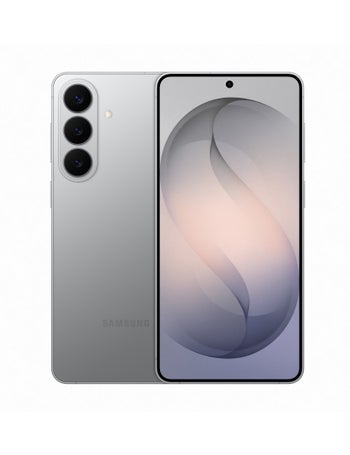
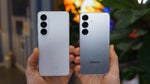
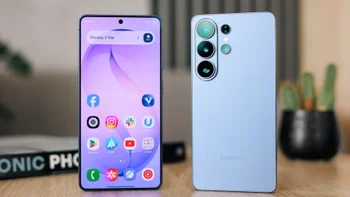
The smallest and most compact of Samsung's new flagships, the Galaxy S26, has scored a number of key upgrades that set it apart from previous Galaxies.
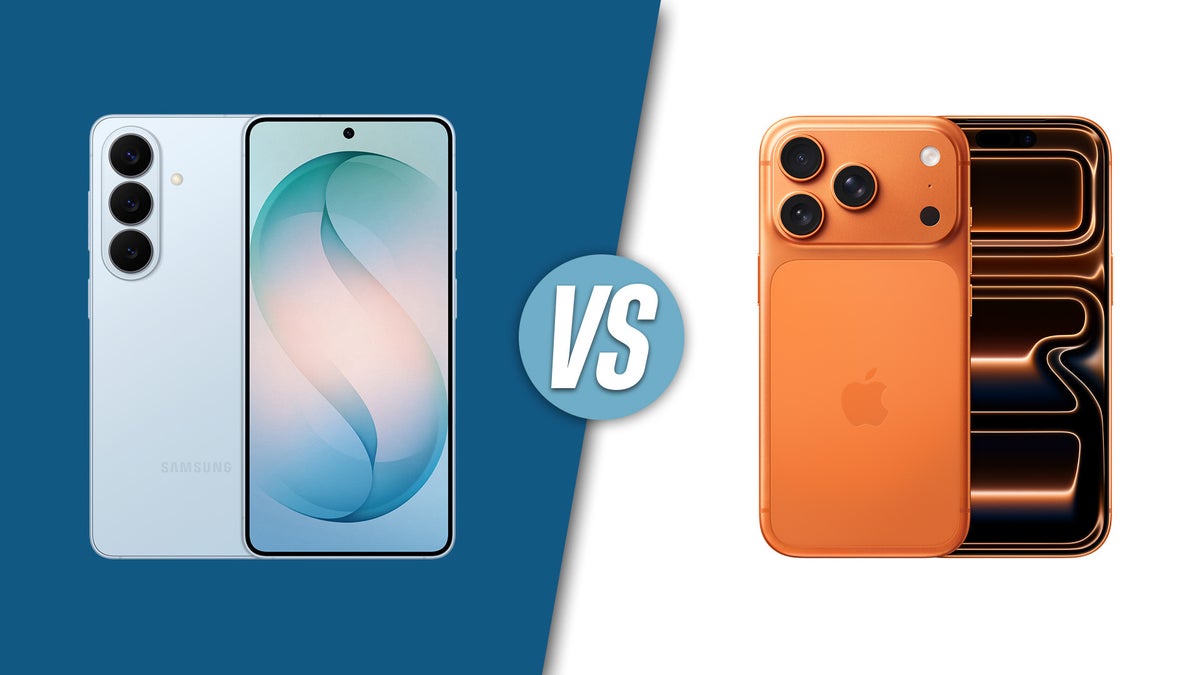
It's now larger, has a more spacious display, faster chips on board, and the largest battery on a regular Galaxy S flagship so far. But it has also scored a bump to 256 GB of starting storage and a higher price, which sets it very close to the territory occupied by one of the best devices out there, the iPhone 17 Pro.
The compact Apple powerhouse comes along with a large new camera plateau design element in the rear, a fairly versatile camera system, and the excellent-performing A19 Pro chip.
Which one of these is the better value, and which one should you pick if you were platform-agnostic?
The Galaxy S26 Ultra is now available for up to $720 off
$579
99
$1299
99
$720 off (55%)
The Galaxy S26 Ultra has been announced, bringing a Privacy Screen feature, insanely fast processor, and multiple Galaxy AI enhancements. Right now, you can save up to $720 at the Samsung Store with eligible trade-ins. You also get 15% off the Buds 4 series with your purchase. Alternatively, you can get $150 credit for add-ons, no trade-in required.
The Galaxy S26+ is now available for up to $480 off
$619
99
$1099
99
$480 off (44%)
The Galaxy S26+ is here, bringing improved software and a more powerful processor. The device can now be yours for up to $480 off with eligible device trade-ins. Users also get 15% off the Buds 4 series with their purchase. The official store gives you a $150 credit for add-ons without trade-ins.
The Galaxy S26 is currently available at the Samsung Store with an exciting trade-in discount. Right now, you can buy the model with a $380 maximum price cut. Samsung also gives you 15% off the Galaxy Buds 4 or the Buds 4 Pro with your smartphone purchase.
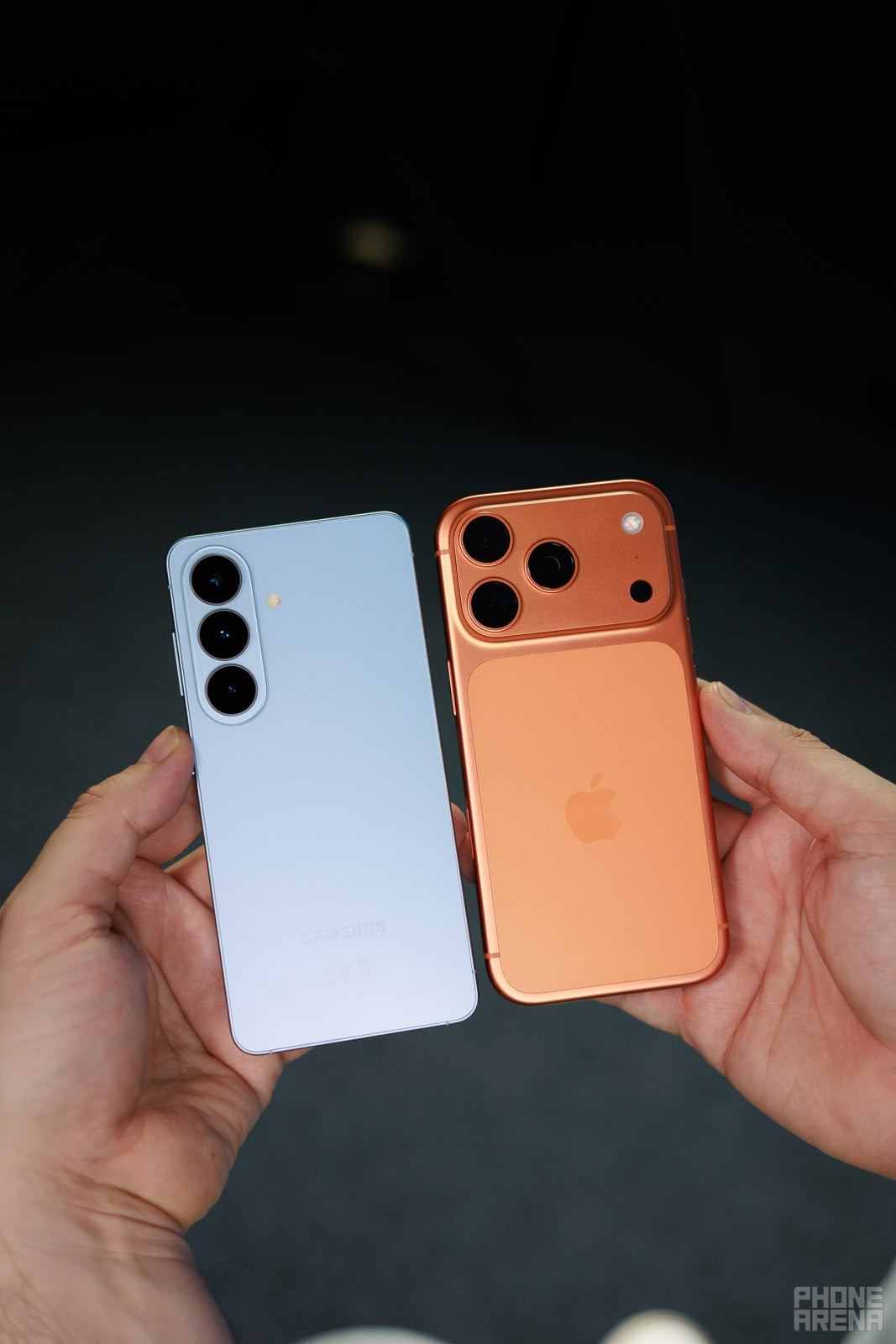
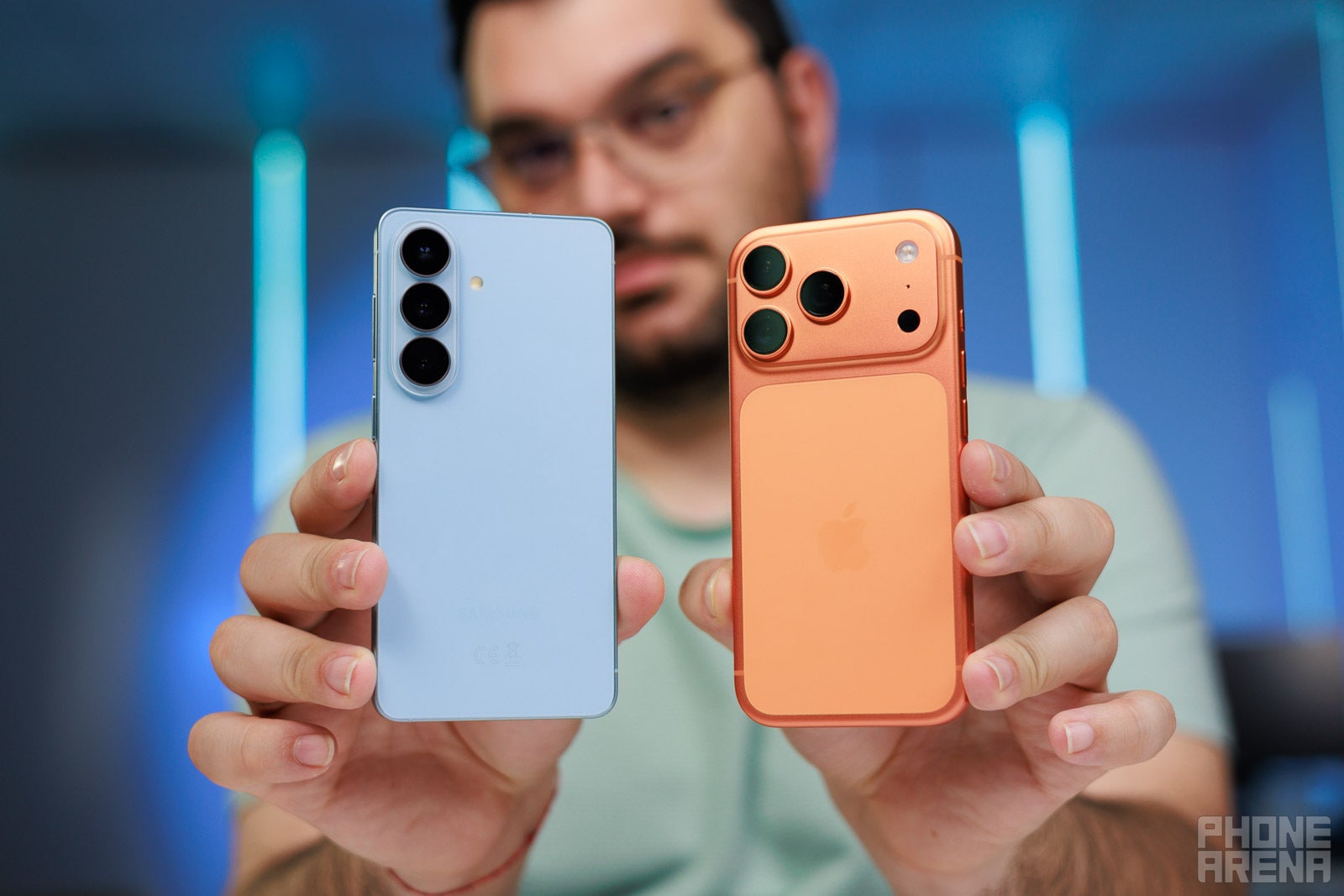
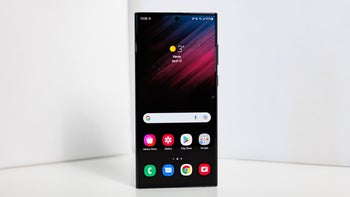
The Galaxy S26 comes with a modern flat design, with a flat Armor Aluminum frame and Gorilla Glass Victus 2 up at the front and in the back. It looks pretty much similar to most previous base Galaxy S flagships. It's now slightly more rounded to appear more similar to the Galaxy S26 Ultra for a more unified and cohesive look.
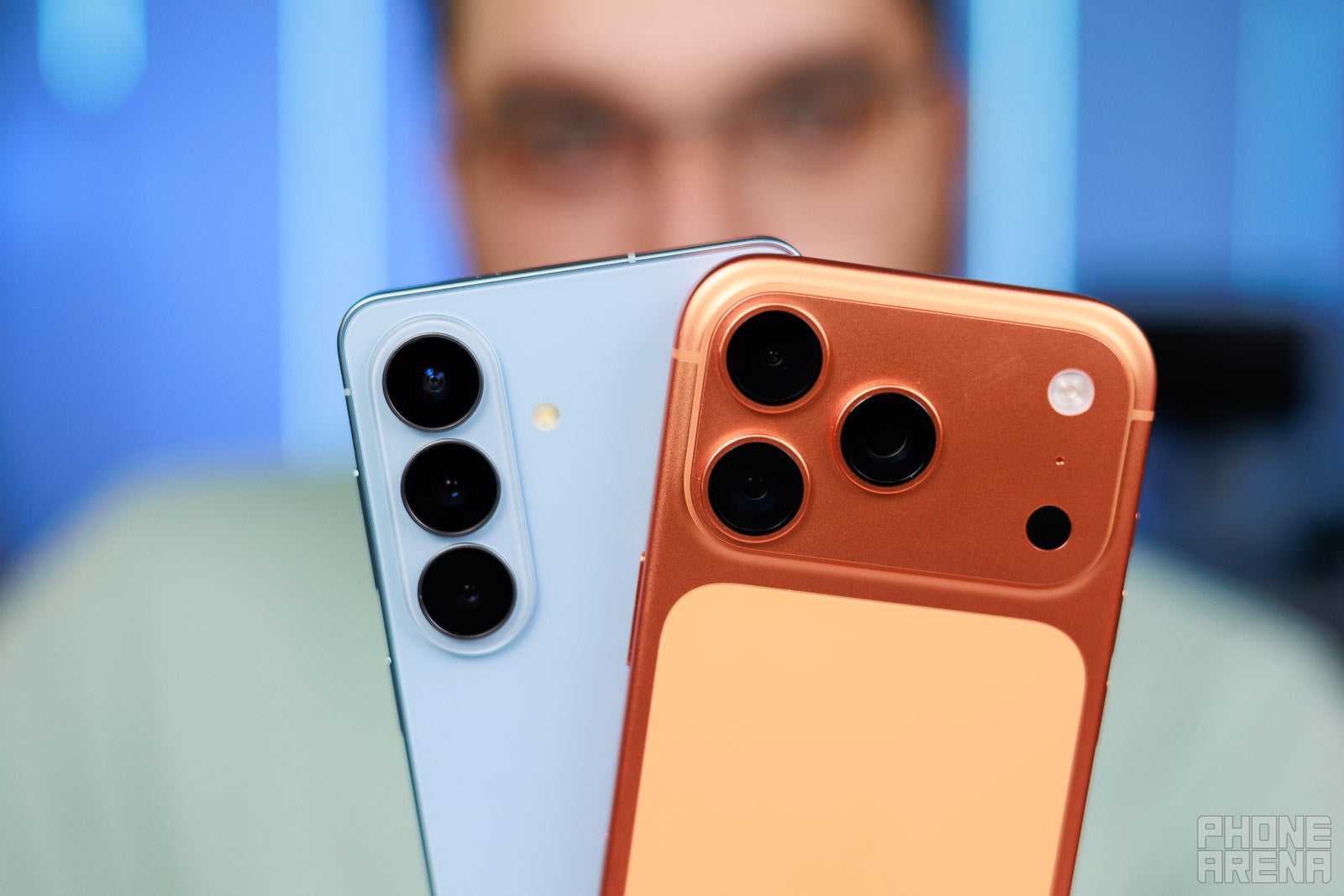
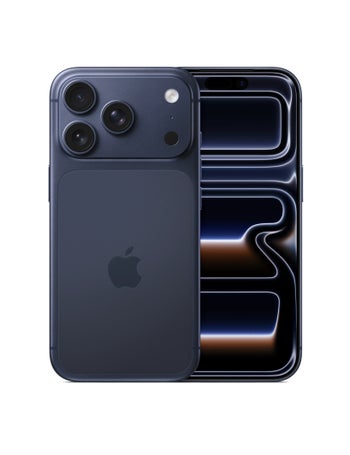
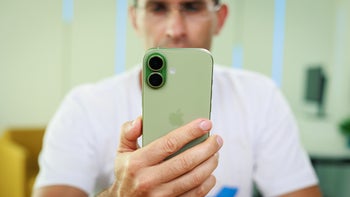
The iPhone 17 Pro is also largely similar when you break down its design intricacies. Flat aluminum frame (Apple moved away from titanium), slightly curved corners, and Ceramic Shield 2 at the front and back. The much larger camera plateau and the two-tone aesthetics are new here.
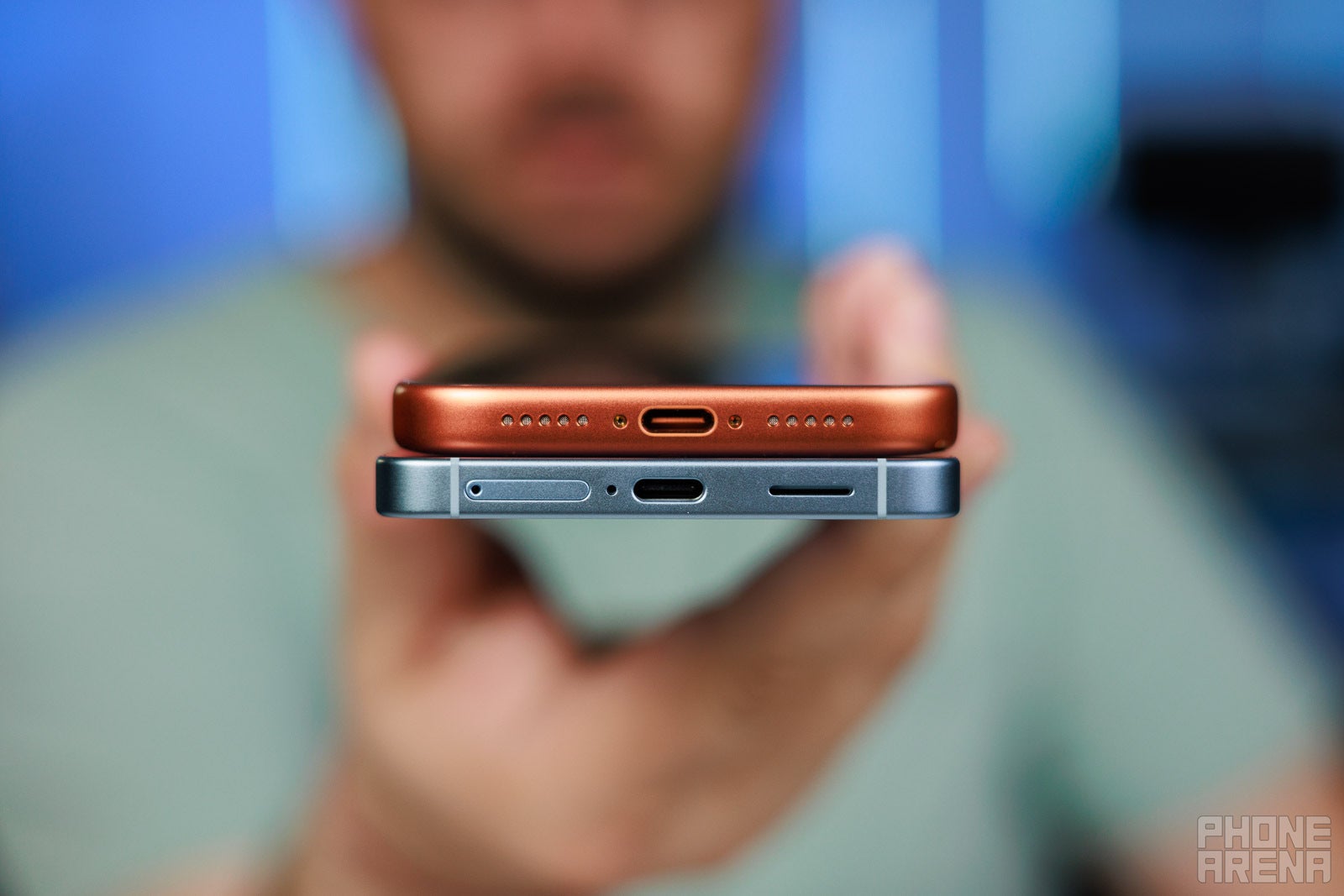
In terms of size, the Galaxy S26 measures 149.5 by 71.6 mm and will likely be 7.24 mm thin. In contrast, the iPhone 17 Pro is marginally taller, wider, and thicker, and much heavier, too. Overall, this makes the Galaxy S26 the more compact of the two.
Galaxy S26
iPhone 17 Pro
Thickness 7.2 mm
Thickness 8.75 mm
Dimensions 149.6 x 71.6 mm
Dimensions 150 x 71.9 mm
Weight 167 g
Weight 206 g
The iPhone 17 Pro has the Action Button and the Camera Control key. No such extra buttons come on the Galaxy S26.
When it comes to the Galaxy S26 color selection, Samsung has the phone in Cobalt Violet, Sky Blue, Black, and White colors, while Silver Shadow and Pink Gold can be exclusively obtained on Samsung.com. The iPhone 17 Pro arrives in Silver, Cosmic Orange, and Deep Blue, which is a more concise selection, for sure.
Display Differences
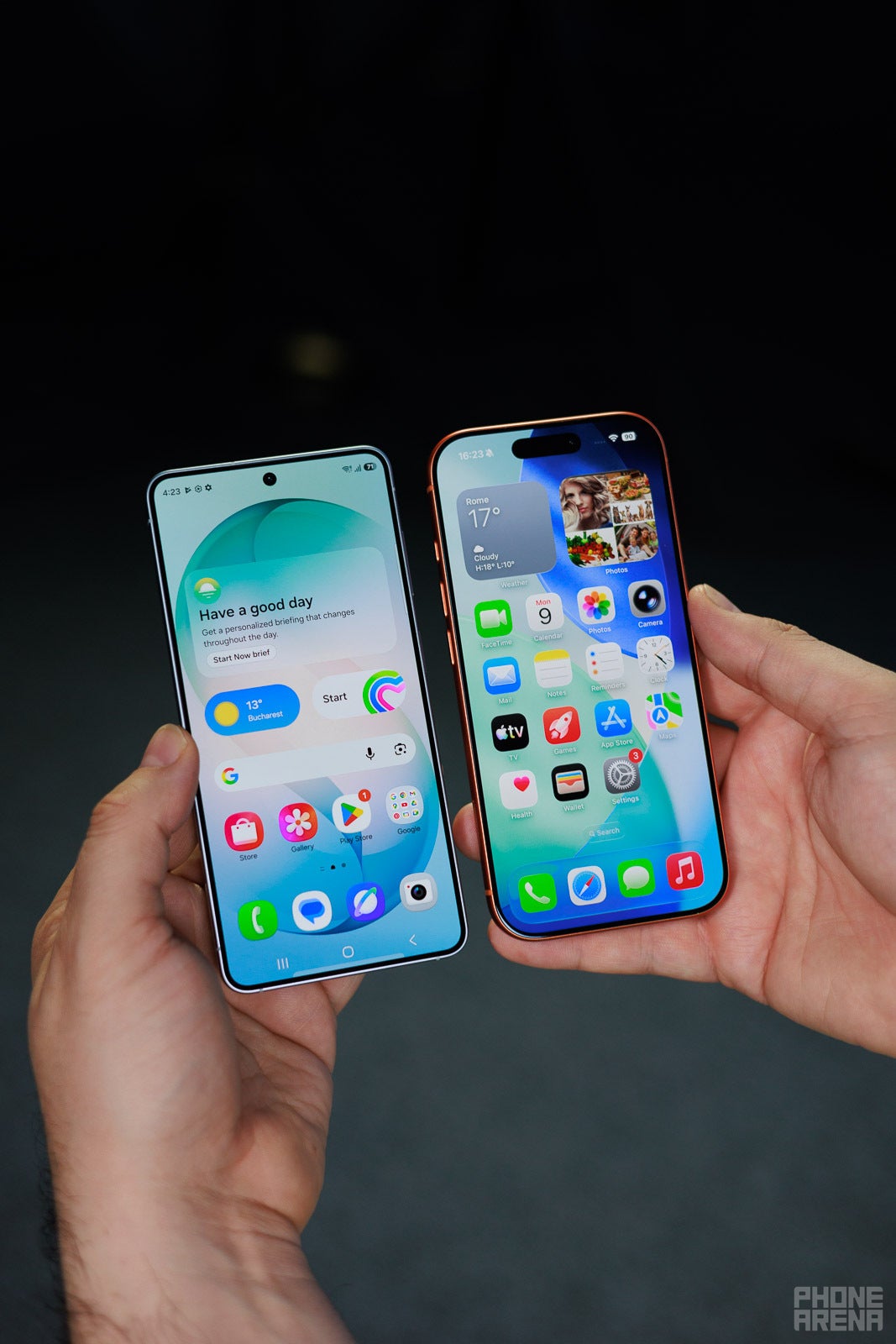
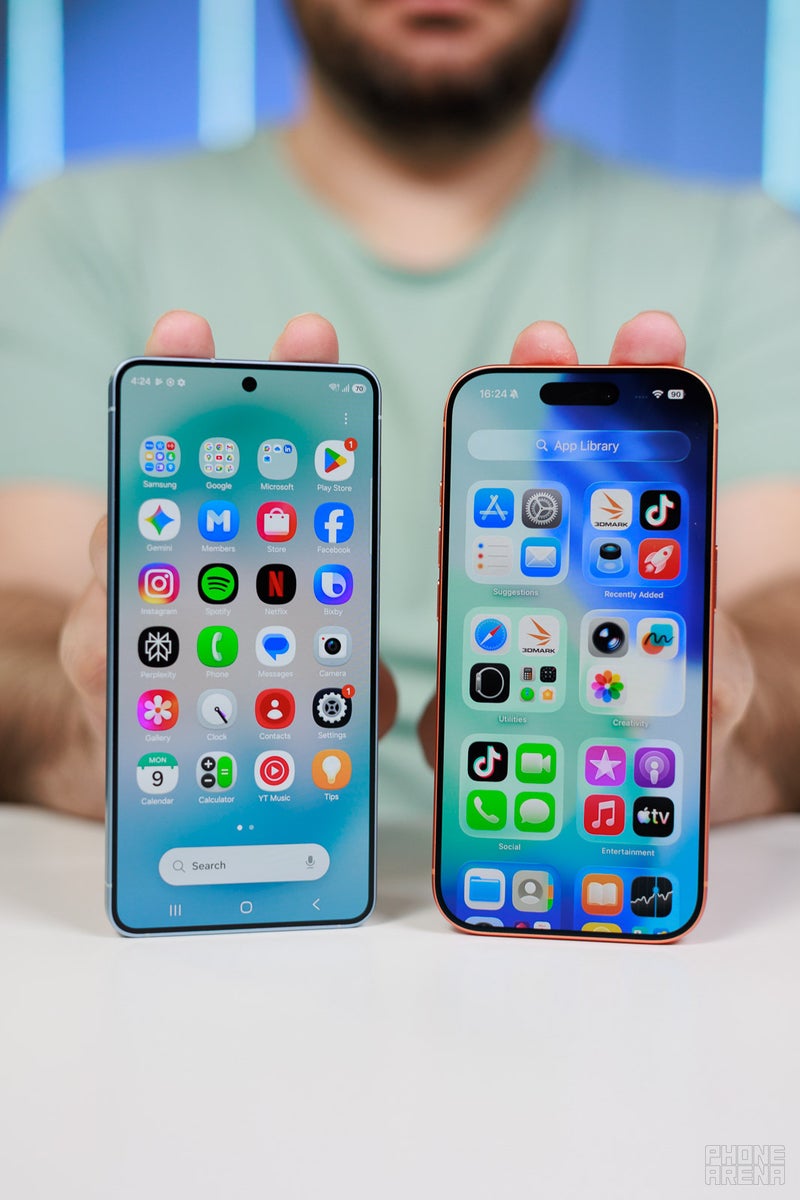
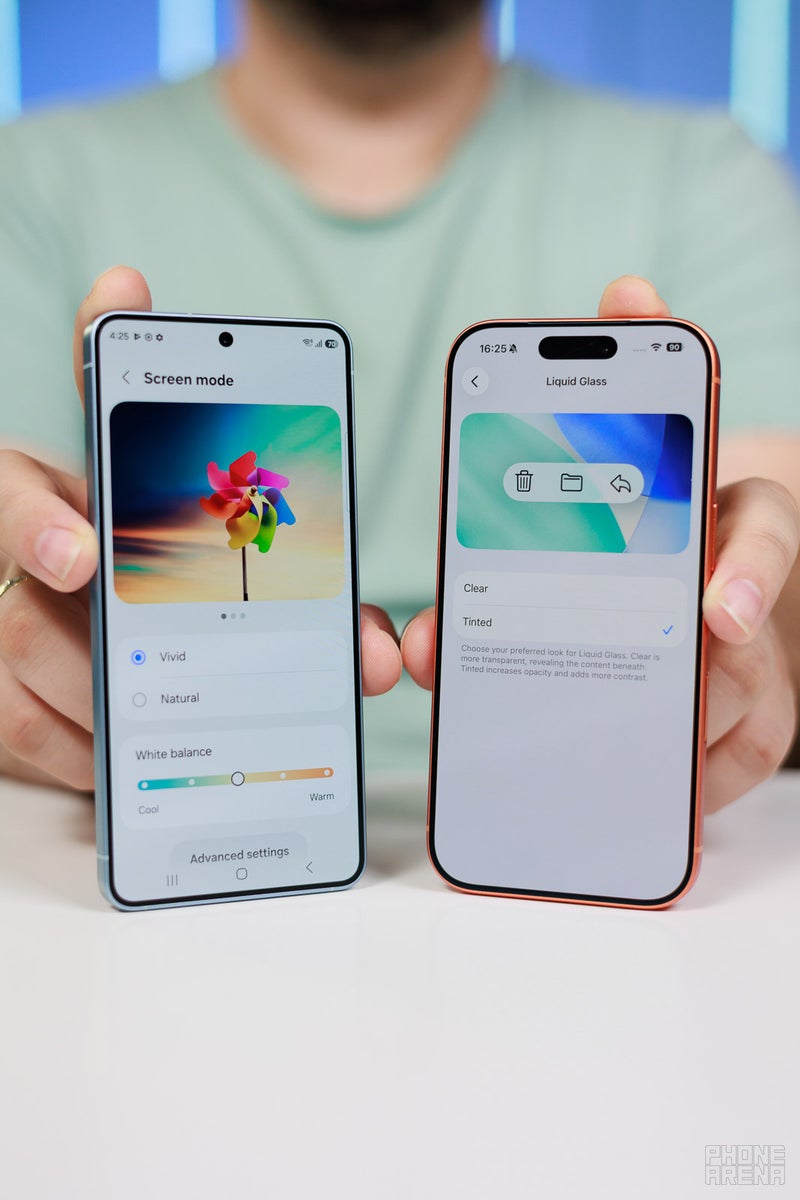
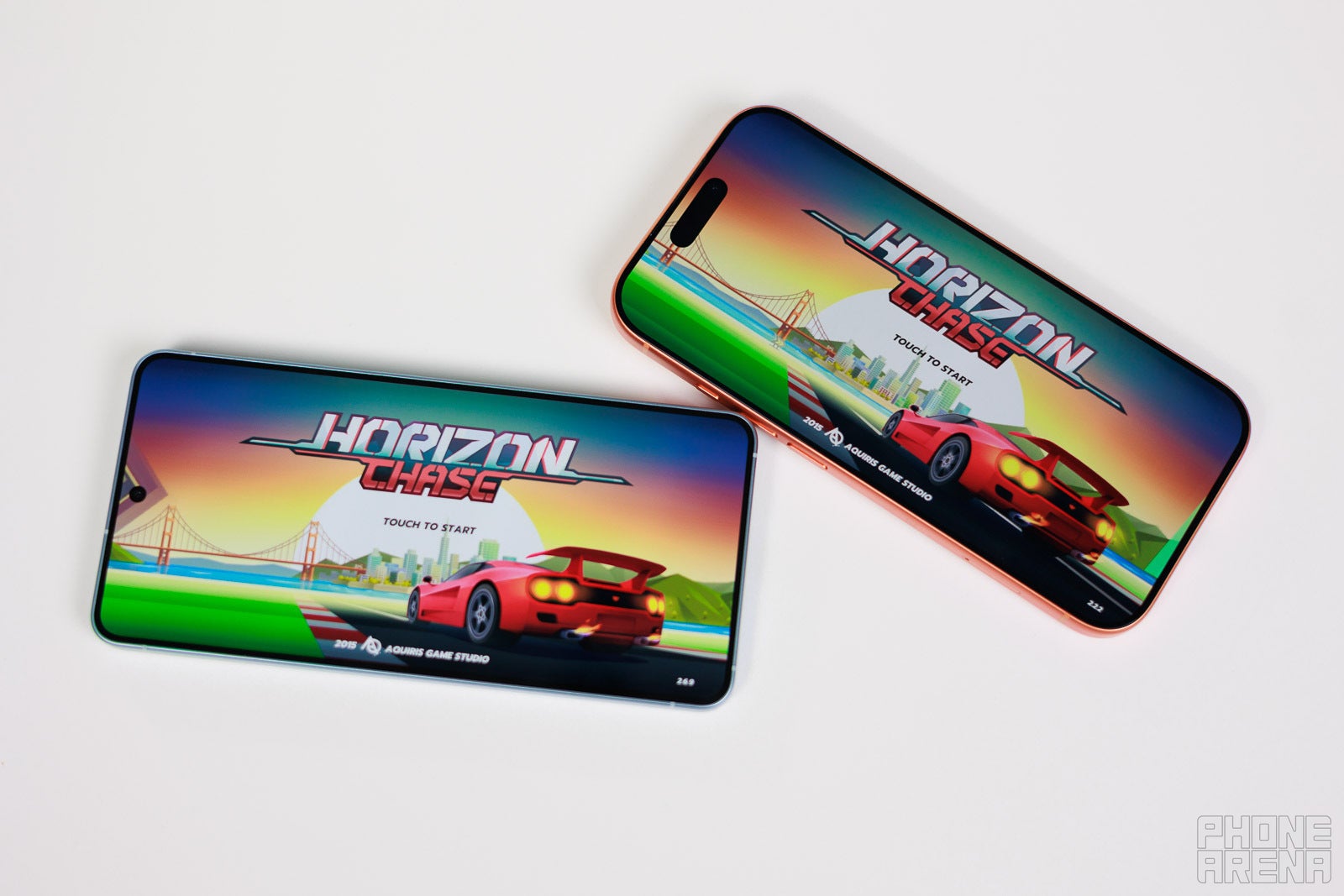
The Galaxy S26 comes with a slightly larger 6.3-inch display (versus a 6.2-inch on the previous model), which brings it up to par with the iPhone 17 Pro, which also features a 6.3-inch Liquid Retina XDR display.
Most of the specs here will be common on both devices: refresh rate up to 120 Hz, HDR, FHD+ resolution, and great color calibration. Which one will be brighter, though? The iPhone 17 Pro reaches nearly 2,800 nits of peak brightness, and the Galaxy S26 might get up to 3,000 nits of peak brightness.
One thing to note here is the fact that the iPhone 17 Pro has anti-reflective coating to passively boost the legibility under bright daylight conditions, while the Galaxy S26 doesn't. Samsung's signature new Privacy screen feature, which prevents sensitive information from being seen by bystanders on the pixel level, is not present here.
The Galaxy S26 comes with Gorilla Glass Armor, while the iPhone has Ceramic Shield 2.
Galaxy S26
iPhone 17 Pro
Size 6.3"
Size 6.3"
Brightness 2,600 nits (peak)
Brightness 3,000 nits (peak)
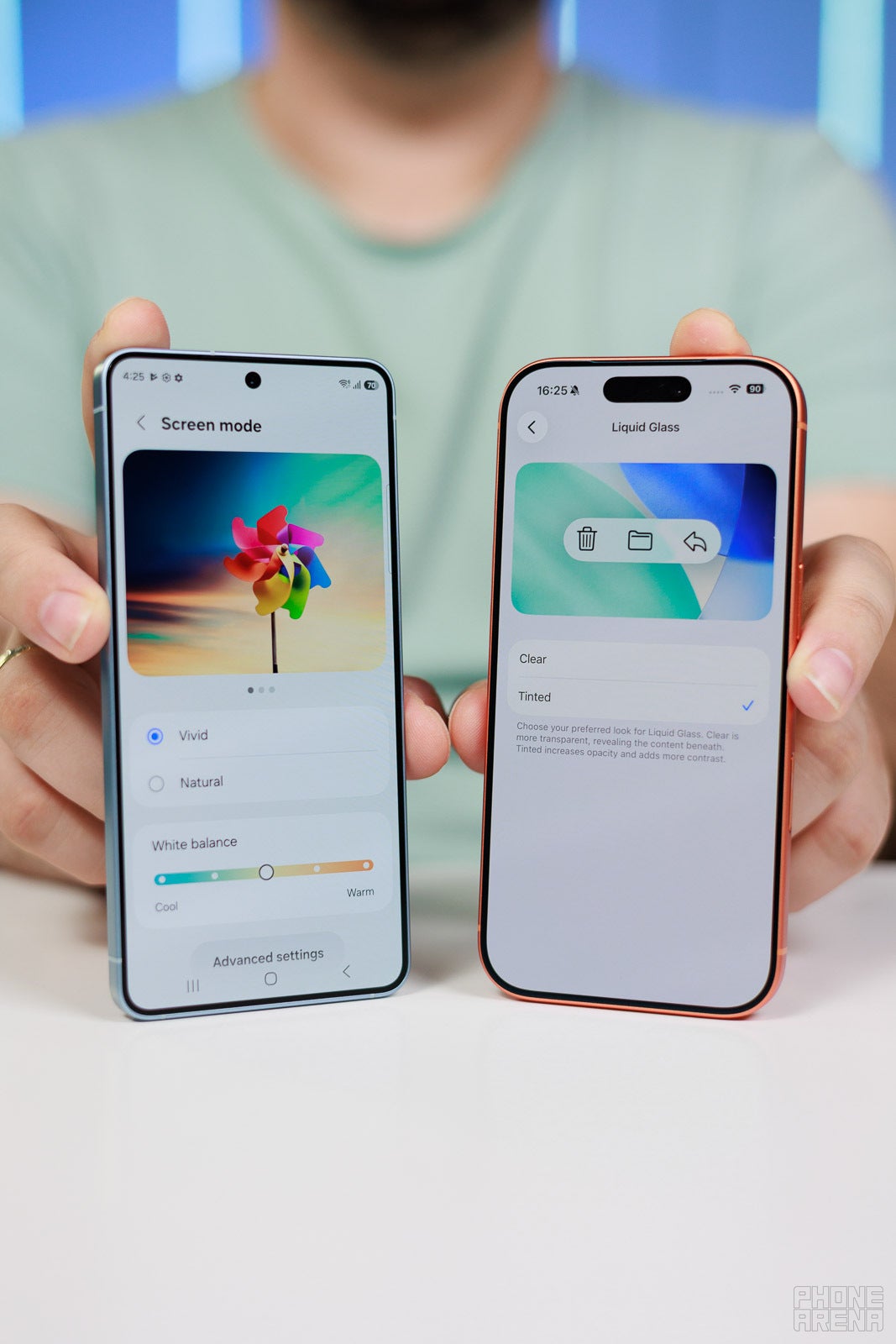
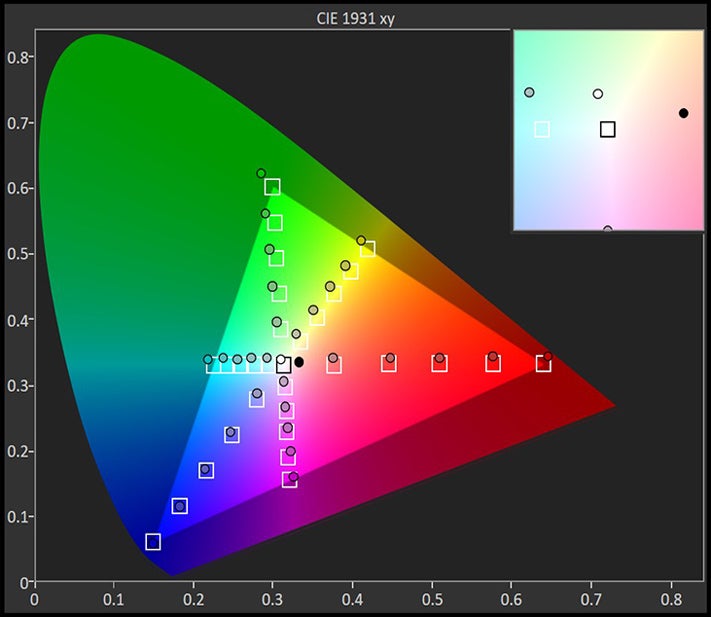
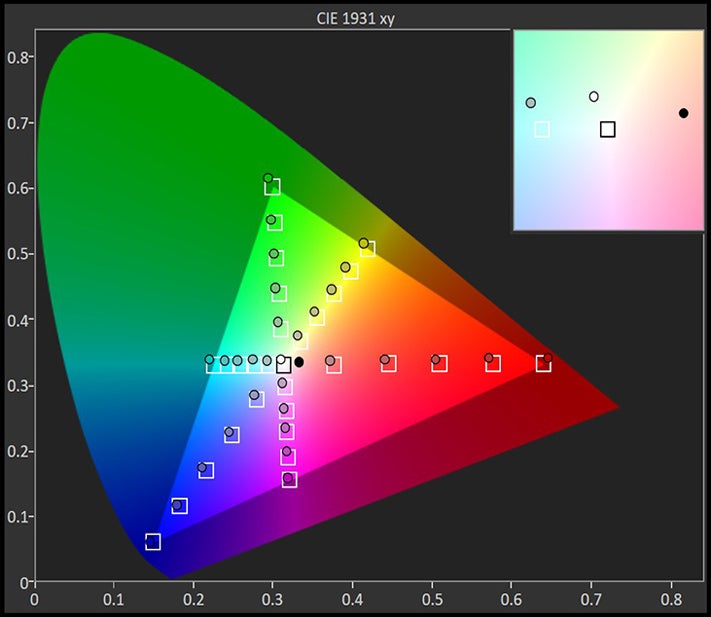
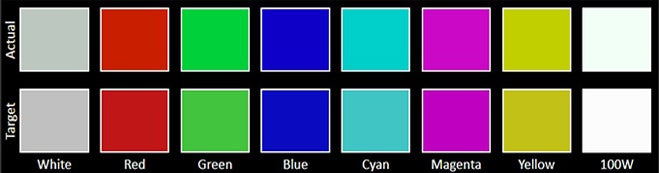
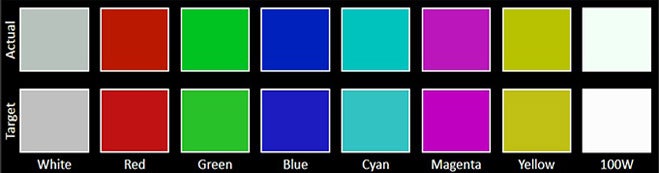
In our tests, the Galaxy S26 is very similar to the iPhone 17 Pro in terms of overall image quality, though the iPhone beats it in terms of peak brightness. The default color temperature and the minimum brightness are nearly identical on both models.
The CIE 1931 xy color gamut chart represents the set(area)of colors that a display can reproduce,with the sRGB colorspace(the highlighted triangle)serving as reference.The chart also provides a visual representation of a display's color accuracy. The small squares across the boundaries of the triangle are the reference points for the various colors, while the small dots are the actual measurements. Ideally, each dot should be positioned on top of its respective square. The 'x:CIE31' and 'y:CIE31' values in the table below the chart indicate the position of each measurement on the chart. 'Y' shows the luminance (in nits) of each measured color, while 'Target Y' is the desired luminance level for that color. Finally, 'ΔE 2000' is the Delta E value of the measured color. Delta E values of below 2 are ideal.
The Color accuracy chart gives an idea of how close a display's measured colors are to their referential values. The first line holds the measured (actual) colors, while the second line holds the reference (target) colors. The closer the actual colors are to the target ones, the better.
The Grayscale accuracy chart shows whether a display has a correct white balance(balance between red,green and blue)across different levels of grey(from dark to bright).The closer the Actual colors are to the Target ones,the better.
In terms of biometrics, the Galaxy S26 boasts an ultrasonic fingerprint scanner embedded in the screen, while the iPhone 17 Pro comes with Face ID. The Galaxy S26 also has Face Unlock, but it's not as secure as Face ID.
Performance and Software
An interesting mix of chips
The Galaxy S26 comes with one of two high-end chips depending on the market, which is the old Samsung adage resurrected in 2026.
In the US, Japan, and China, the Galaxy S26 will feature Qualcomm's 3 nm Snapdragon 8 Elite Gen 5 chipset, whereas all other markets around the globe get Samsung's 2 nm Exynos 2600 chipset.
I'm not really a fan of that chipset segregation, as it introduces other differences between the Exynos and Snapdragon chipsets that are mere performance. For example, back in the day there used to be significant differences in image-processing and image quality, which isn't ideal, and let's hope the same doesn't happen again this year.
Meanwhile, the iPhone 17 Pro features Apple's latest A19 Pro chip, which is by far the fastest iPhone chipset so far. It's an impressive performer that shines in both CPU-heavy and GPU-demanding tasks, striking an excellent balance between raw power and efficiency that translates to good battery life.
Which chipset will come up on top? I can't wait to run all the benchmark tests and see how Samsung's Galaxy performs in comparison.
How do these two perform in our synthetic benchmarks?
The iPhone 17 Pro edges past the Galaxy in the single-core Geekbench 6 test, but loses in the multi-core one. This trade of blows was mostly expected, but I wouldn't say I expected the Exynos 2600 to have such a high lead in the multi-core exercise.
The two rivals continue to trade blows in the 3DMark graphics benchmark. The Galaxy S26 achieves a higher initial peak graphics performance, but the iPhone 17 Pro achieves better consistency and performs better when throttled, which could be key for long gaming sessions. You want the sustained performance to be high in such scenarios.
Samsung put 12GB of RAM in the Galaxy S26, which isn't too much, but nonetheless should provide enough headroom for on-device AI and multitasking. It would make sense to have that much memory given that the iPhone 17 Pro got 12GB of RAM, and Samsung wouldn't want to trail behind, right?
Recommended For You
Both phones are available with 256 GB or 512 GB, while the iPhone can be yours with a terabyte of storage.
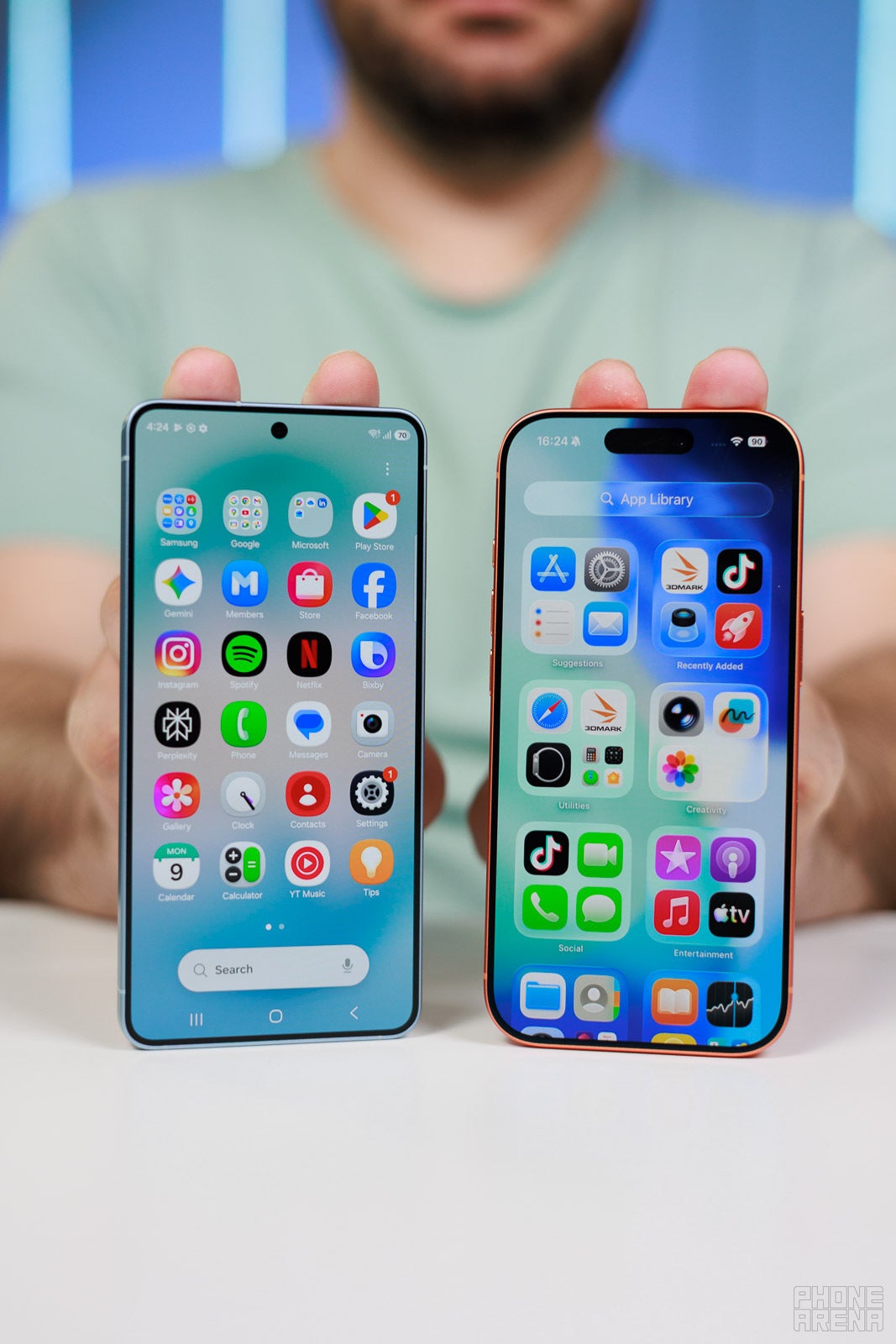
One UI 8.5 is the software of choice on the Galaxy S26 series, and besides seven years of software support, this one comes with many key new features, including important visual changes.
First, the software scores a new floating app bar at the bottom, which should improve the readability. Next up, One UI 8.5 now offers even more customization options and lets you personalize the Quick Settings panel even more by reordering and removing existing controls.
If you set a picture of a person or a pet as your lock screen wallpaper, the layout will automatically move around so that neither the clock nor the widgets obscure key parts of the image. There are a few extra customization options for the lock screen clock, too.
The Galaxy S26 now comes with an AI-powered screenshot analyzer, which will automatically sort your screenshots into one of eight categories. You can then search for these screenshots.
Galaxy AI has been upgraded with continuous image generation, which lets you generate several images without stopping and pick from the ones you want afterward. Call Screening is another new feature that will let Galaxy AI answer calls for you and see who's calling and for what reason. You will be provided with a transcript, and only then decide if you want to answer the call.
Bixby can now understand you better when you talk to the assistant in your own words. This lets you use it to find specific settings or features without having to sift through numerous menus. It now has an easy way of accessing your conversation history with Bixby.
The Weather app has scored a more detailed new widget that will showcase a graph of any upcoming precipitation that is expected. Your daily alarms can also show the current weather as a background when they ring, which is a neat quality-of-life upgrade.
Samsung has also enhanced the battery info menu, making it easier to check the remaining battery life left, the battery usage, as well as your charging status. There are also two power-saving modes now: Standard, which is more temperate, and Maximum, which disables all non-essential features to boost battery life.
Camera
Improvements on some fronts
Both phones come with triple camera systems, but only the iPhone has scored key improvements.
Let's start with the Galaxy S26, which comes with the same old setup of a 50 MP main camera, a 12MP ultrawide, and a 10 MP 3X optical zoom camera. Therefore, any image improvements need to be done software-side, and we all know Samsung is good at that.
However, the camera hardware might be getting a bit long in the tooth now seeing it has been reused for the past couple of generations, so Samsung might be running out of leeway for software enhancements.
Meanwhile, the iPhone 17 Pro also scored an upgrade: it finally got a high-res telephoto with 48MP resolution but slightly lower 4X optical zoom (instead of 5X on the previous 12MP telephoto). The other two cameras remain 48MP ones, achieving parity with the previous iPhone 16 Pro.
PhoneArena Camera Score:
Photo
Video
Phone
Camera Score
Photo Score
Main (wide)
Ultra Wide
Selfie
Zoom
Samsung Galaxy S26
149
155
84
21
27
24
Apple iPhone 17 Pro
156
162
84
24
28
26
Phone
Camera Score
Video Score
Main (wide)
Ultra Wide
Selfie
Zoom
Samsung Galaxy S26
149
143
75
21
26
21
Apple iPhone 17 Pro
156
150
77
23
26
24
Find out more details about photo and video scores for all phones we have tested on our PhoneArena Camera Score page
In our custom camera test, the Galaxy S26 loses to the iPhone 17 Pro by a serious margin in both the still photography and video-recording tests.
Galaxy S26
iPhone 17 Pro
Main 50 MP, f/1.8 24 mm 1/1.56"
Main 48 MP, f/1.8 24 mm 1/1.28"
Ultrawide 12 MP f/2.2
Ultrawide 48 MP, f/2.2 13 mm 1/2.55"
Telephoto 10 MP, f/2.4 3X zoom (67mm)
Telephoto 48 MP, f/2.8 4X zoom (100mm)
Battery Life and Charging
Single-day warriors
The Galaxy S26 has scored a slightly larger 4,300 mAh battery, a modest but still noteworthy increase over the 4,000 mAh that ticked inside its predecessor. That's great to see.
I hope that the slightly larger battery plus the more efficient chipsets inside the phone will make it achieve even better battery life. The Galaxy S25 performed very decently, achieving more than seven hours of battery life in our compound battery life score, so the Galaxy S26 will hopefully further improve on that. Weirdly, it's also getting dangerously close to the 5,000 mAh battery inside the Galaxy S26 Ultra.
Meanwhile, the iPhone 17 Pro comes with a 4,252 mAh battery in the eSIM version and a 3,988 mAh one in the SIM-enabled model. That's slightly lower than the Galaxy S26. The iPhone 17 Pro achieved a slightly lower score than the Galaxy S25, so the Galaxy S26 will likely deliver slightly better battery life.
Galaxy S26
iPhone 17 Pro
Battery size 4,300 mAh
Battery size 4,252 mAh (eSIM) 3,988 mAh (SIM)
Charging speeds 25W wired
15 W wireless charging
No magnetice attachments
Charging speeds
40W wired
25W wireless charging
MagSafe 2.0
Both the Galaxy S26 and the iPhone 17 Pro deliver similar battery life of roughly six hours and forty minutes. This means both will easily last you a full day of usage, but not much more. Your mileage may vary, of course, depending on the intensity of your usage.
No changes to the charging speeds. The Galaxy S26 charges at 25 W via a wire and 15 W wirelessly. The iPhone 17 Pro charges at 40 W and has 25 W wireless charging, as well as MagSafe 2.0 support.
Specs Comparison
Samsung Galaxy S26
Apple iPhone 17 Pro
Samsung Galaxy S26
Apple iPhone 17 Pro
Design
Dimensions
149.6 x 71.7 x 7.2 mm (~10 mm with camera bump)
150.0 x 71.9 x 8.75 mm (~9.9 mm with camera bump)
Weight
167.0 g
206.0 g
Display
Size
6.3-inch
6.3-inch
Type
Dynamic AMOLED, 120Hz
OLED, Variable 1-120Hz
Hardware
System chip
Snapdragon 8 Elite Gen 5 for Galaxy SM8850-1-AD (3 nm) International version - Exynos 2600
The Galaxy S26 is an important device for Samsung, as it will have to battle both the affordable iPhone 17 and the more premium iPhone 17 Pro at the same time. The pressure is very high, as Apple did many things right with the iPhone 17 launch, throwing the ball back in Samsung's court with a smirk.
The iPhone 17 Pro, on the other hand, is awkwardly the least talked about new iPhone. The iPhone Air got all the talk due to its super-thin design. The iPhone 17 Pro Max is traditionally the best iPhone this year, and the regular iPhone 17 finally became a very complete and lucrative package after scoring ProMotion for the first time.
Thus, the iPhone 17 Pro got less time under the limelight, but it still is the best choice if you want a compact pro iPhone in 2026.
And seeing how it compares against the Galaxy S26, I'd say it's the better phone as well.
Why you can trust PhoneArena
25+Years of Experience
4167Product Reviews
Every product we review or recommend is thoroughly tested by our in-house experts in real-world conditions, following our
review methodology
and
ethics statement
to ensure honest, independent, and data-driven results.
Peter, an experienced tech enthusiast at PhoneArena, is captivated by all things mobile. His impartial reviews and proficiency in Android systems offer readers valuable insights. Off-duty, he delves into the latest cryptocurrency trends and enjoys sci-fi and video games.
A discussion is a place, where people can voice their opinion, no matter if it
is positive, neutral or negative. However, when posting, one must stay true to the topic, and not just share some
random thoughts, which are not directly related to the matter.
Things that are NOT allowed:
Off-topic talk - you must stick to the subject of discussion
Offensive, hate speech - if you want to say something, say it politely
Spam/Advertisements - these posts are deleted
Multiple accounts - one person can have only one account
Impersonations and offensive nicknames - these accounts get banned
To help keep our community safe and free from spam, we apply temporary limits to newly created accounts:
New accounts created within the last 24 hours may experience restrictions on how frequently they can
post or comment.
These limits are in place as a precaution and will automatically lift.
Moderation is done by humans. We try to be as objective as possible and moderate with zero bias. If you think a
post should be moderated - please, report it.
Have a question about the rules or why you have been moderated/limited/banned? Please,
contact us.












Things that are NOT allowed:
To help keep our community safe and free from spam, we apply temporary limits to newly created accounts: