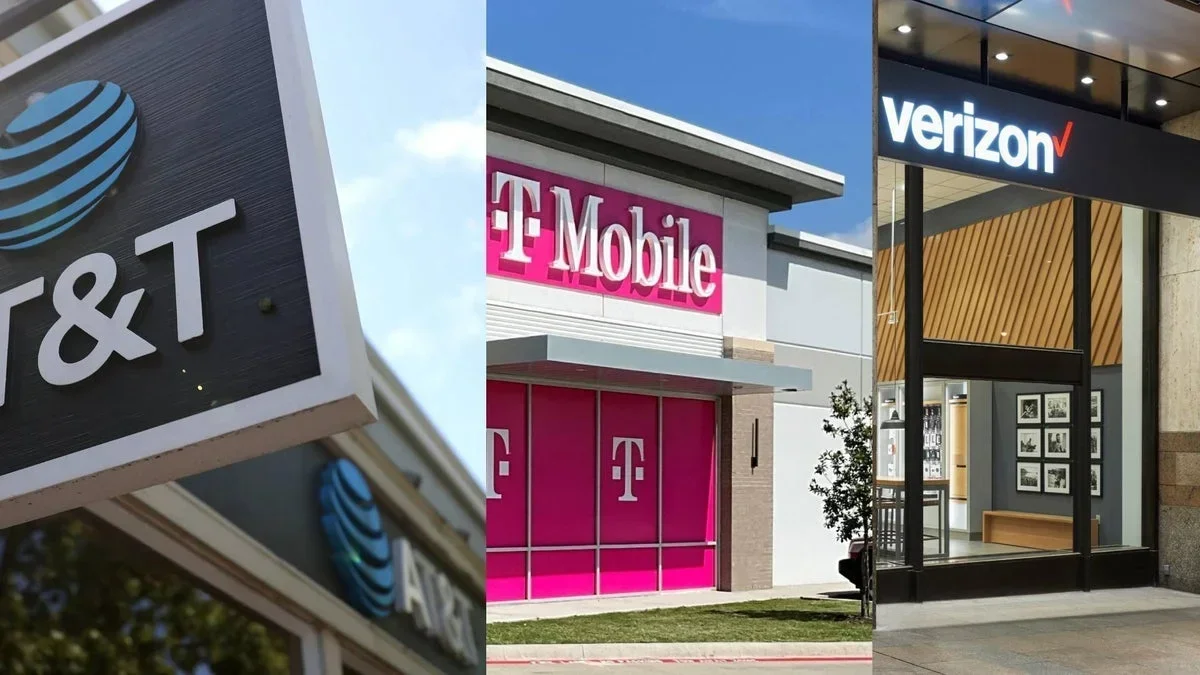
Things could change real soon. | Image by PhoneArena
The FCC is at it again and will try to bring call centers back to the US. Those who are still based overseas must employ workers who can understand and speak English in a way that's good enough for Americans.
They're not banned yet
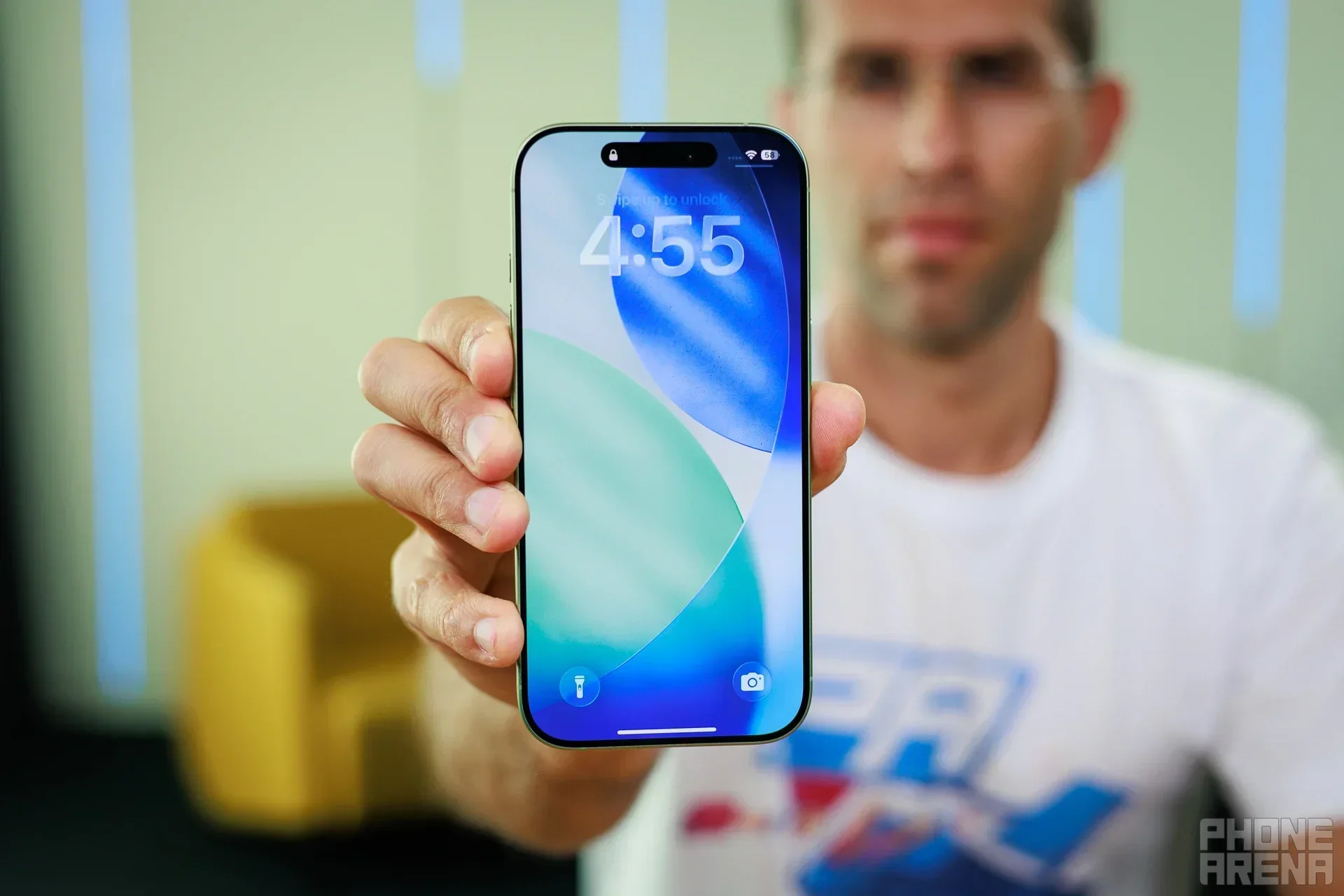
Will you get better support? | Image by PhoneArena
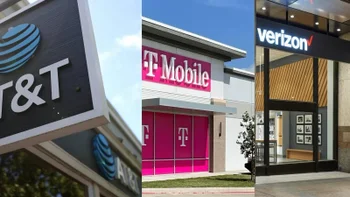
Several weeks ago, we told you that the FCC may force AT&T, T-Mobile, and Verizon to make a change customers have been yearning for. The Federal Communications Commission hasn't let go of this idea and its chairman, Brendan Carr, said once again that foreign-based call centers are responsible for confusion, delayed support and even security risks.
So, the idea is for call centers to return to the US, or at least make sure that those call centers that remain abroad, employ only people that can speak the kind of English that US users can understand.
Recommended For You
At the current time, the FCC is not saying foreign-based call centers are banned. But a proposition has been made to limit the percentage of calls that non-US call centers can answer.
This will be a major shift, since it's now about a quarter of a century that the US has relied on foreign-based call centers.
What will telcos do?
People are not content
Despite the fact that foreign call centers have been a thing since the late 1990s and early 2000s, people don't find them particularly helpful.
In one of our PhoneArena polls, we asked you – "Have you ever had trouble speaking to carrier reps due to language barriers?"
Almost 4,000 people responded:
Recommended For You
Yes, the rep's instructions were misleading. – 57.79%
Yes, I had to visit a store instead. – 33.29%
No, living in the US, I am exposed to diverse accents. – 8.92%
These are some serious numbers. Less than one in ten is actually OK with the way things are right now.
A staggering 91% say that they received misleading information or had to visit a telco's physical store in order to get adequate help, since the call centers were of no use.
I think for some, it'd be tempting to paint this recent FCC move as some sort of hideous human rights violation or worse, but I beg to differ. At the end of the day, you don't care who is on the other end of the phone, what their belief is or what they look like.
You want to get stuff done, and quickly. If you can't receive support, then it's the company's job to find a better call center. Trouble is, end users can't simply walk away from, say, Verizon and go to AT&T (or vice versa) if they don't like the call center service. The way things are, everybody uses offshore call centers.
That's why it makes sense for the FCC to step in.
The FCC idea
Following a unanimous vote, the FCC wants to shift more control and transparency back to American consumers.
The proposed rules would mandate that overseas agents be proficient in American English, require immediate disclosure when a call is handled outside the US and grant customers the right to be transferred to a domestic call center upon request.
Additionally, the commission aims to cap the volume of international support calls, restrict sensitive transactions to US-based centers and completely prohibit the use of representatives located in "foreign adversary" nations.
To ensure accountability, providers would be forced to disclose their foreign call percentages on broadband labels and file regular compliance reports with the FCC.
Will AI step in?
Yeah, probably. That would be another unpopular move, though. People don't find AI chatbots particularly useful at the moment.
According to Roger Entner (analyst and founder of Recon Analytics), people's satisfaction levels with AI chatbots are "atrocious", based on a recent survey of more than 75,000 respondents.
Sebastian, a veteran of a tech writer with over 15 years of experience in media and marketing, blends his lifelong fascination with writing and technology to provide valuable insights into the realm of mobile devices. Embracing the evolution from PCs to smartphones, he harbors a special appreciation for the Google Pixel line due to their superior camera capabilities. Known for his engaging storytelling style, sprinkled with rich literary and film references, Sebastian critically explores the impact of technology on society, while also perpetually seeking out the next great tech deal, making him a distinct and relatable voice in the tech world.
A discussion is a place, where people can voice their opinion, no matter if it
is positive, neutral or negative. However, when posting, one must stay true to the topic, and not just share some
random thoughts, which are not directly related to the matter.
Things that are NOT allowed:
Off-topic talk - you must stick to the subject of discussion
Offensive, hate speech - if you want to say something, say it politely
Spam/Advertisements - these posts are deleted
Multiple accounts - one person can have only one account
Impersonations and offensive nicknames - these accounts get banned
To help keep our community safe and free from spam, we apply temporary limits to newly created accounts:
New accounts created within the last 24 hours may experience restrictions on how frequently they can
post or comment.
These limits are in place as a precaution and will automatically lift.
Moderation is done by humans. We try to be as objective as possible and moderate with zero bias. If you think a
post should be moderated - please, report it.
Have a question about the rules or why you have been moderated/limited/banned? Please,
contact us.








Things that are NOT allowed:
To help keep our community safe and free from spam, we apply temporary limits to newly created accounts: